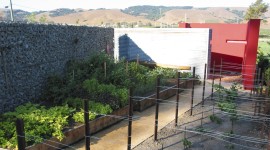
Commemorative Landscape
A landscape set aside and marked by a culture to recall, celebrate, honor, or memorialize significant people, places, ideas, or events in its history. Such landscapes can be designed, vernacular, ethnographic, or historic, and range in form and scale from a single object to a panoramic viewshed. They are often developed around culturally significant markers such as an anniversary, an important holiday, a significant spiritual experience, or an extraordinary event. Following the Civil War, for example, focused efforts to set aside and memorialize landscapes associated with individual battles became a central focus for many patriotic organizations and governments. Burial grounds and cemeteries were among the earliest and most iconic forms of public commemorative landscapes. Other examples include battlefields, presidential sites, gardens, ceremonial sites, and memorials. Together these places form an important physical expression of a culture’s shared memories.
-
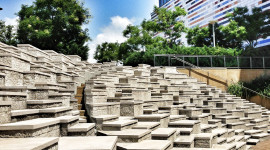
Muhammad Ali Center
Louisville, KY -

Lincoln Memorial Grounds
Washington, DC -
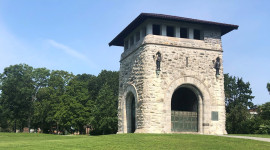
Washington’s Headquarters State Historic Site
Newburgh, NY -
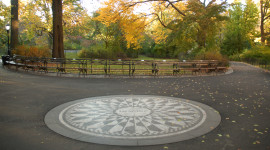
Central Park – Strawberry Fields
New York, NY -
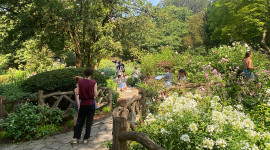
Central Park – Shakespeare Garden
New York, NY -
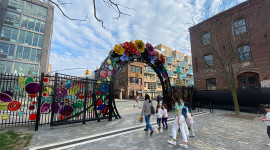
Marsha P. Johnson State Park
Brooklyn, NY -

NYC AIDS Memorial Park at St. Vincent’s Triangle
New York, NY -
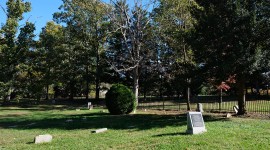
Oakland Baptist Church Cemetery
Alexandria, VA -
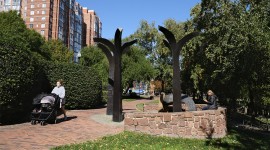
African American Heritage Memorial Park
Alexandria, VA -
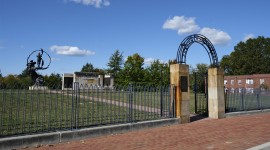
Contrabands and Freedmen Cemetery Memorial
Alexandria, VA -

Storm of 1928 Memorial Park
West Palm Beach, FL -

Bennington Battlefield State Historic Site
Hoosick Falls, NY -
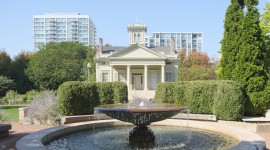
Chicago Women's Park and Gardens
Chicago, IL -
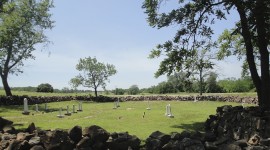
George Washington Carver National Monument
Diamond, MO -
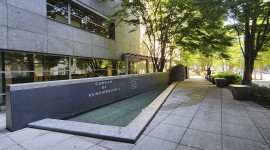
Garden of Remembrance
Seattle, WA