Landscape Information
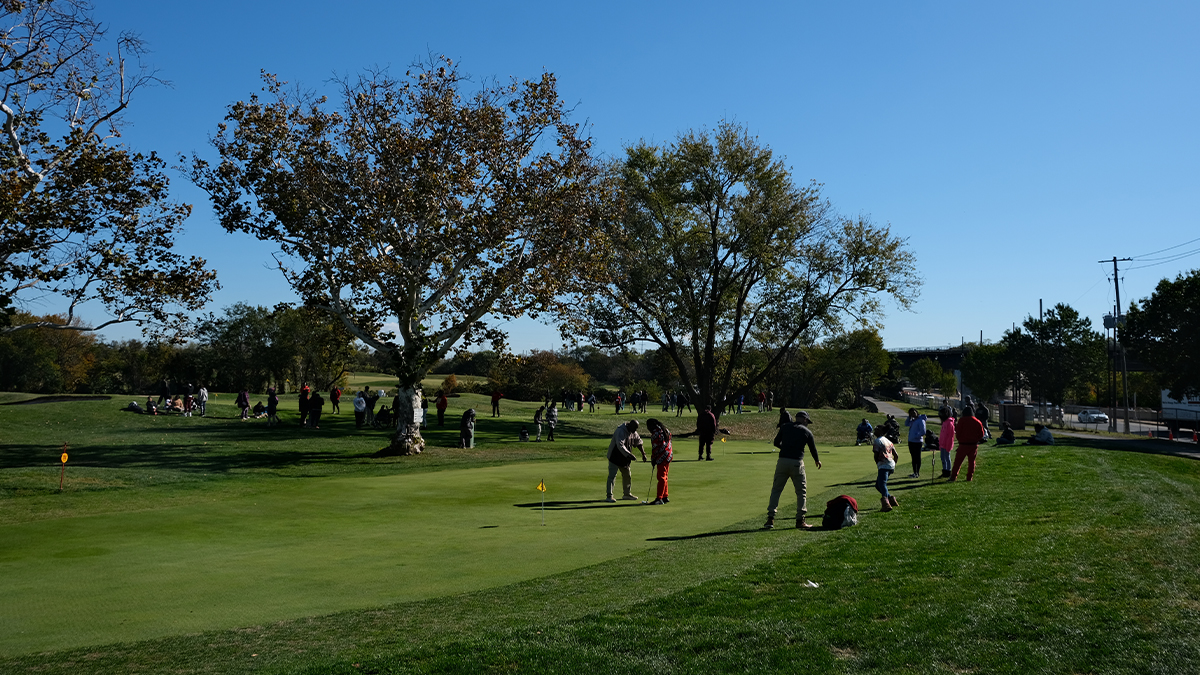
Along the eastern shore of the Anacostia River within Anacostia Park, this 145-acre golf course is one of the earliest non-segregated public golf courses in the city. In the 1920s, African American golfers who were barred from regulation, 18-hole courses petitioned the federal government to create a nonsegregated, regulation public course. Architect and sportsman John Langford wrote to the Department of the Navy in 1927 suggesting that a portion of the newly created Anacostia Park be used for this purpose. In 1936 the project began—a collaboration between the Civilian Conservation Corps (CCC), the Work Projects Administration (WPA), and local golfers. Named for John Mercer Langston, the first African American Virginian elected to public office, the course opened in 1939 but only featured nine holes. Another nine holes, as well as a clubhouse, were added in 1955. Today, the holes are named after African American golfing pioneers.
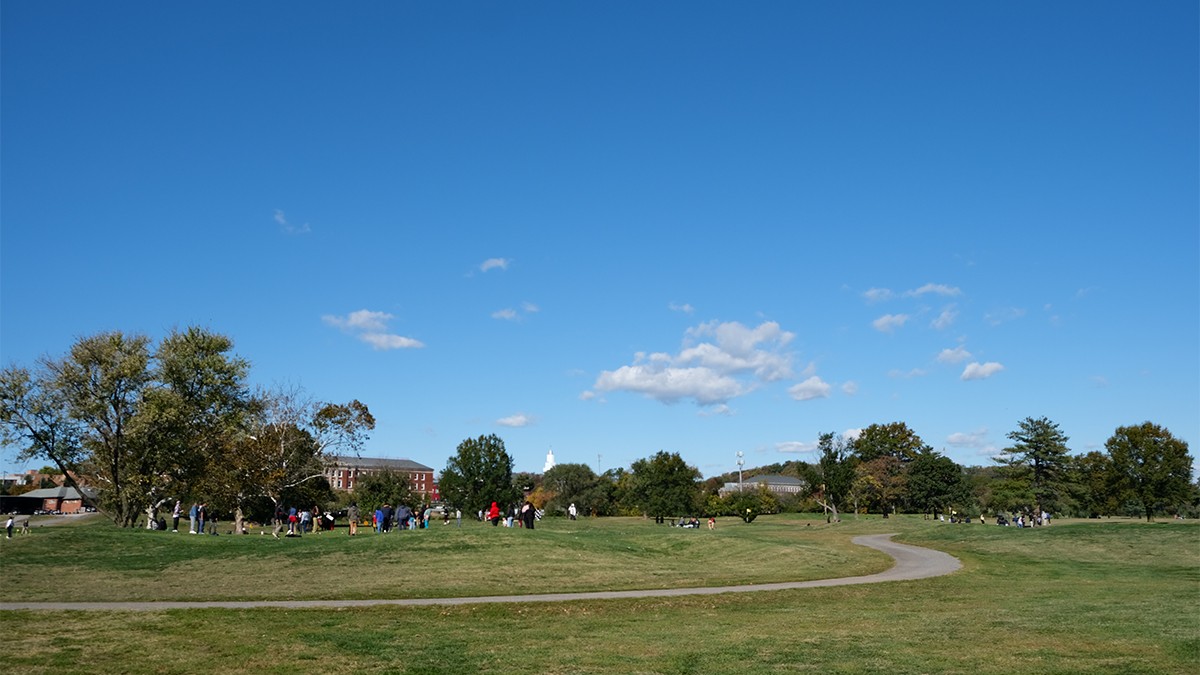
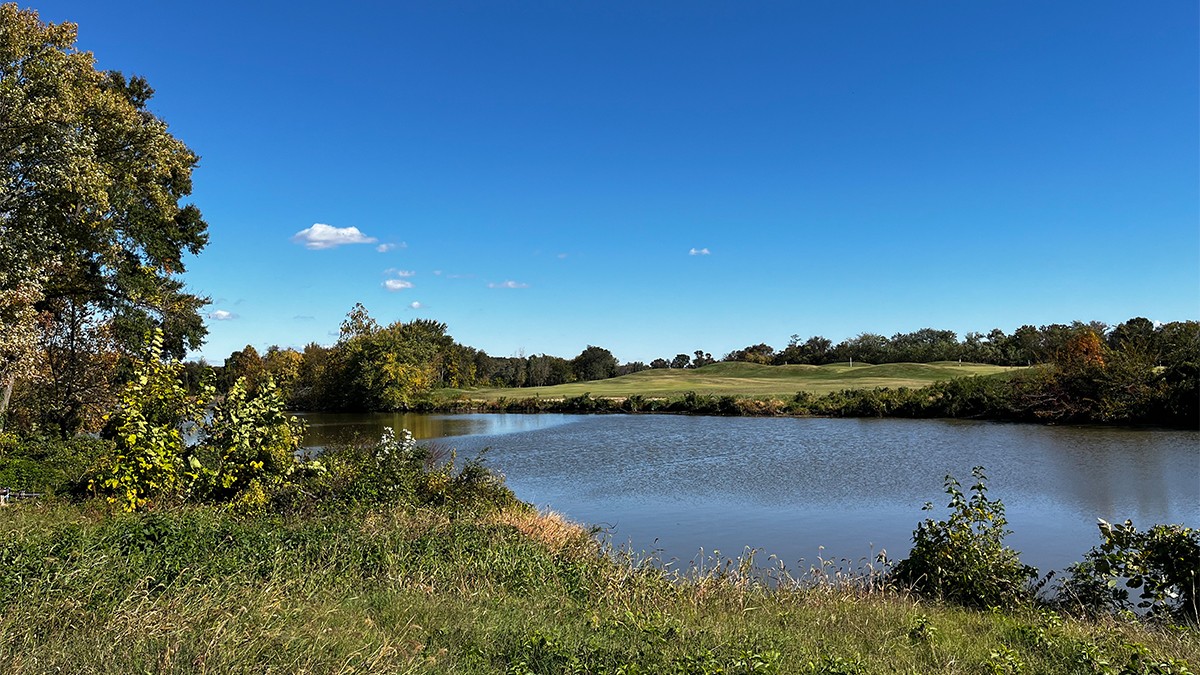
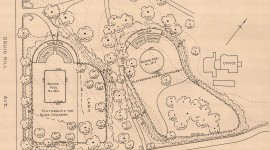
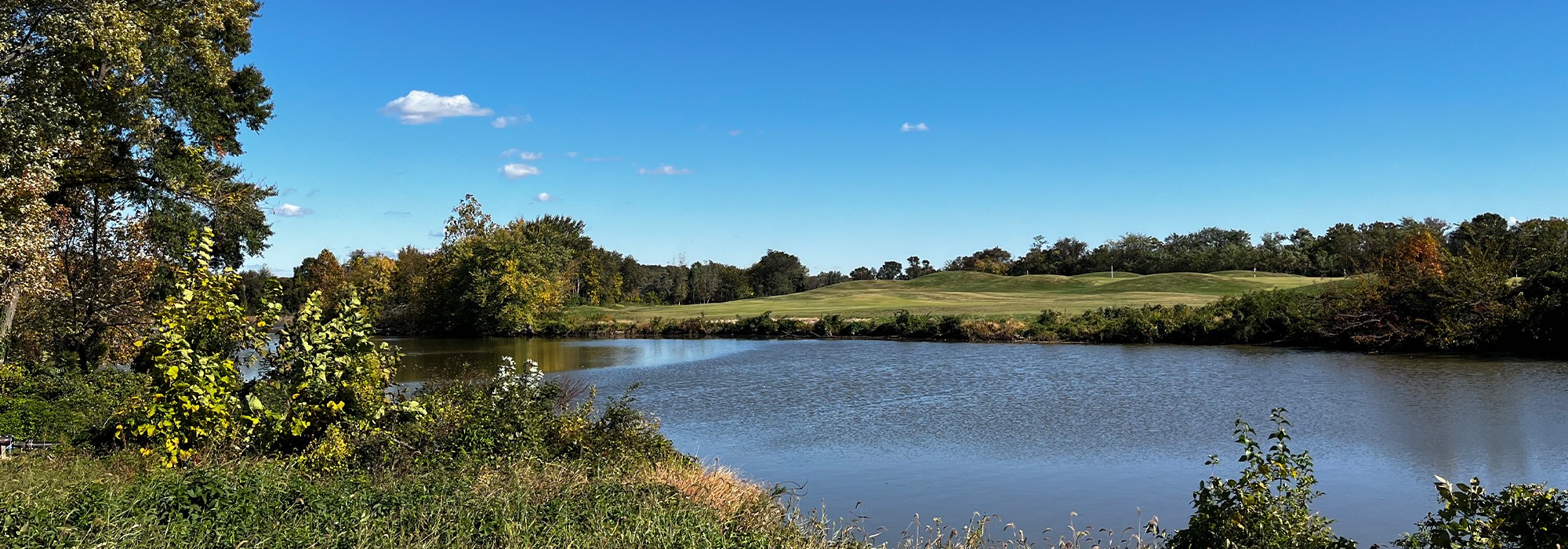
The clubhouse, situated in the southwest corner, marks the beginning of the course, which is traversed by asphalt, gravel, and dirt paths that curve between the fairways. The compact front nine holes (1939) to the west contrast to the back nine (1955), which extend northeast and connect to the manmade Kingman Island by two bridges (1954 and 1977) across a tidal marsh, which is used as a natural water hazard. The primary entrance is located on the western boundary of 26th Street; a secondary entrance on Benning Road defines the southern edge, providing access to a driving range (1980s) on Kingman Island.
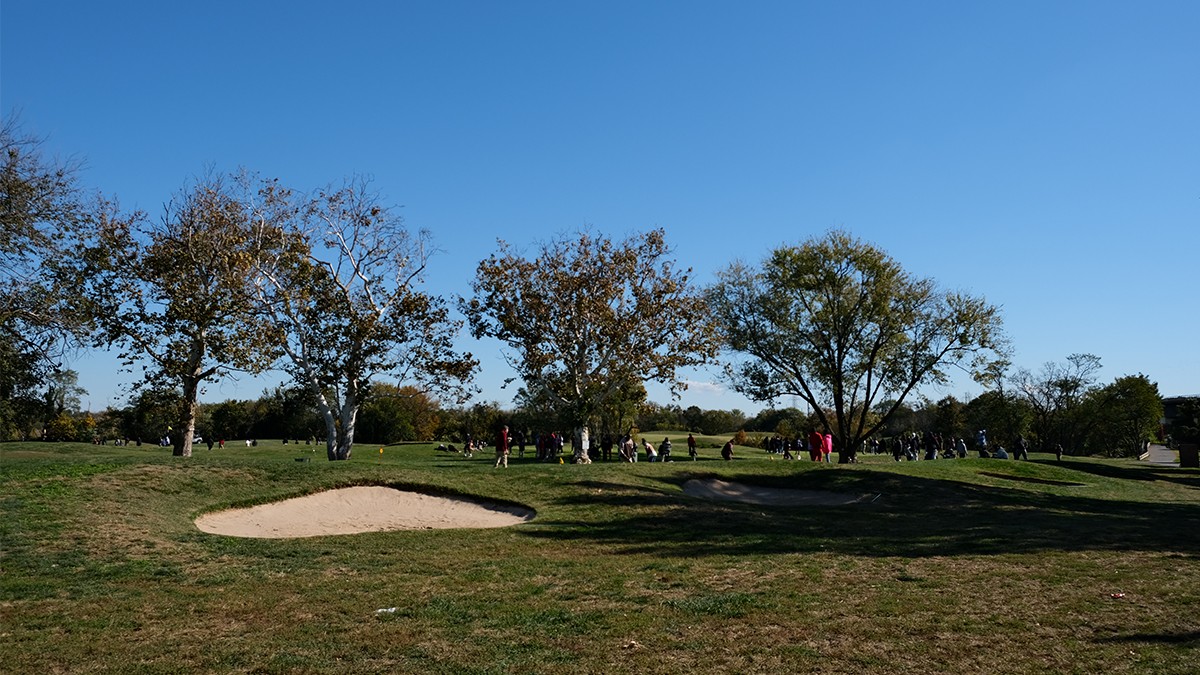
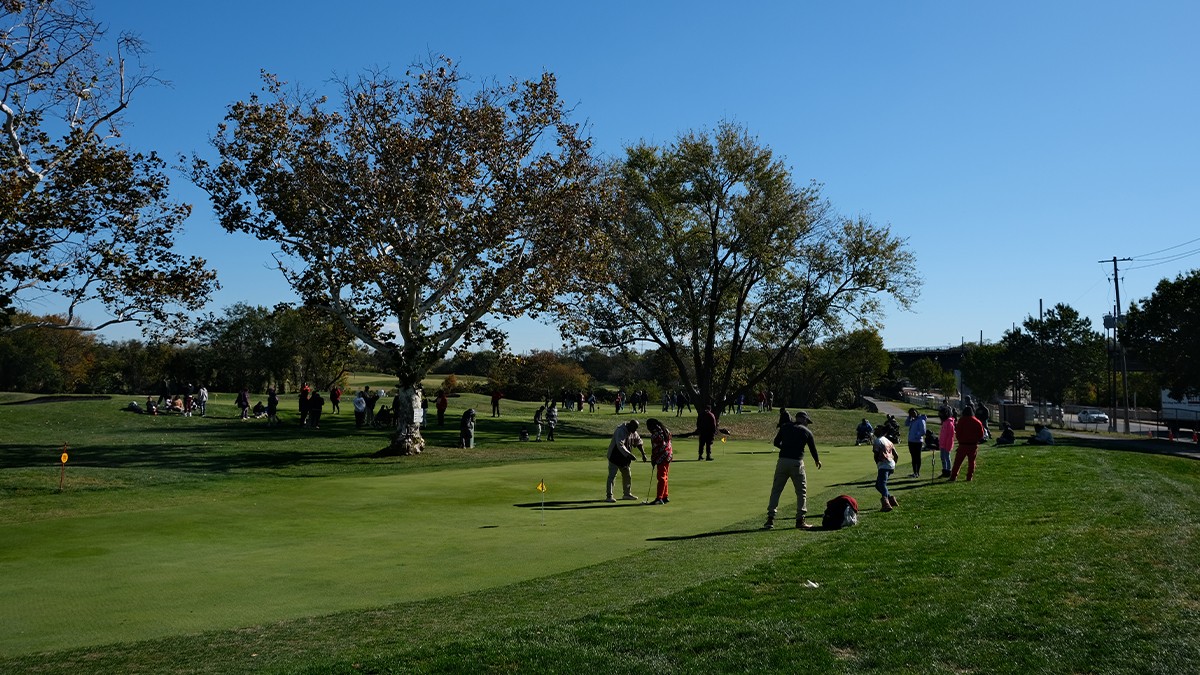
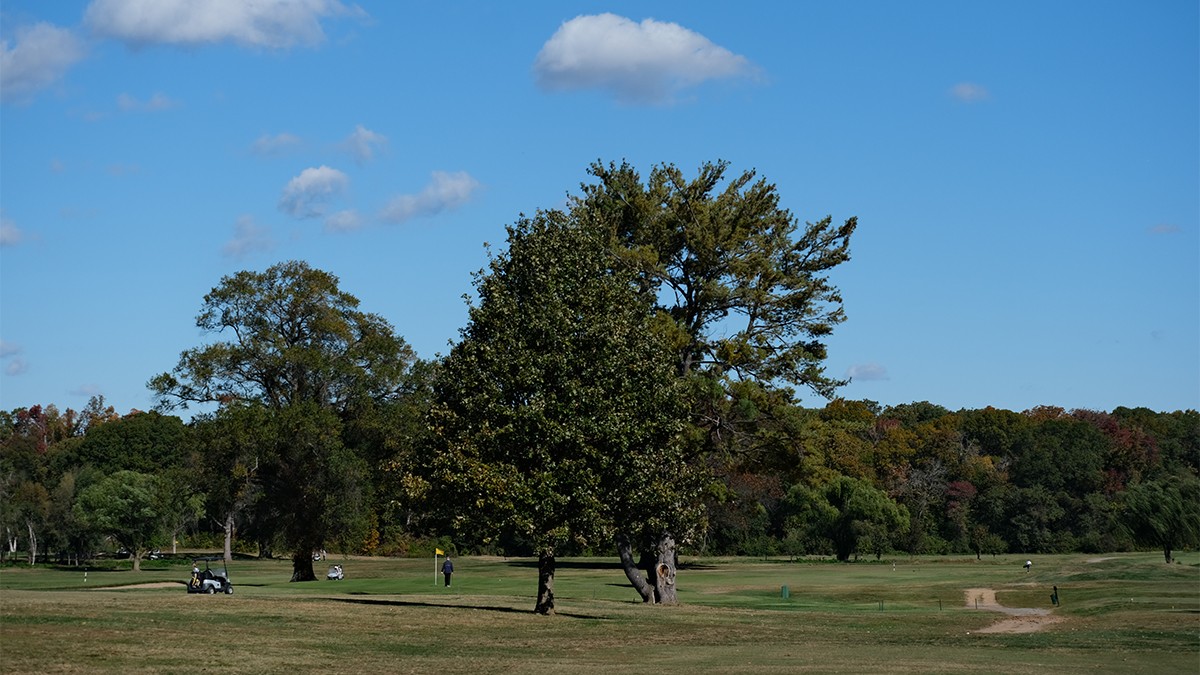
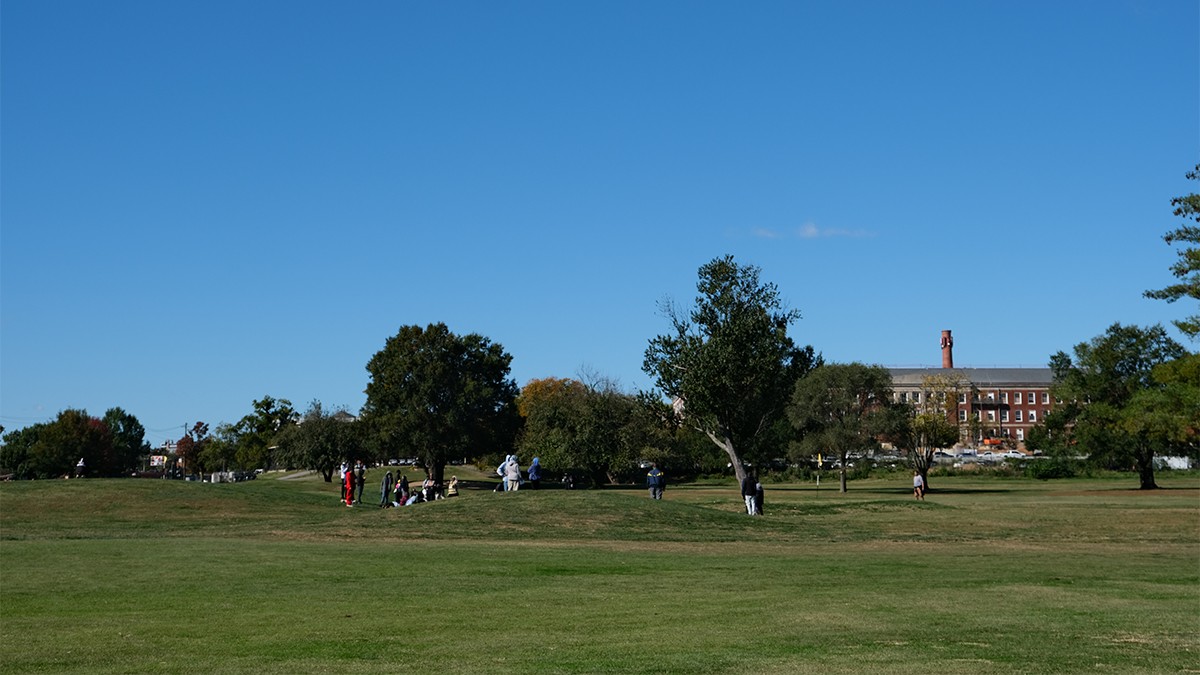
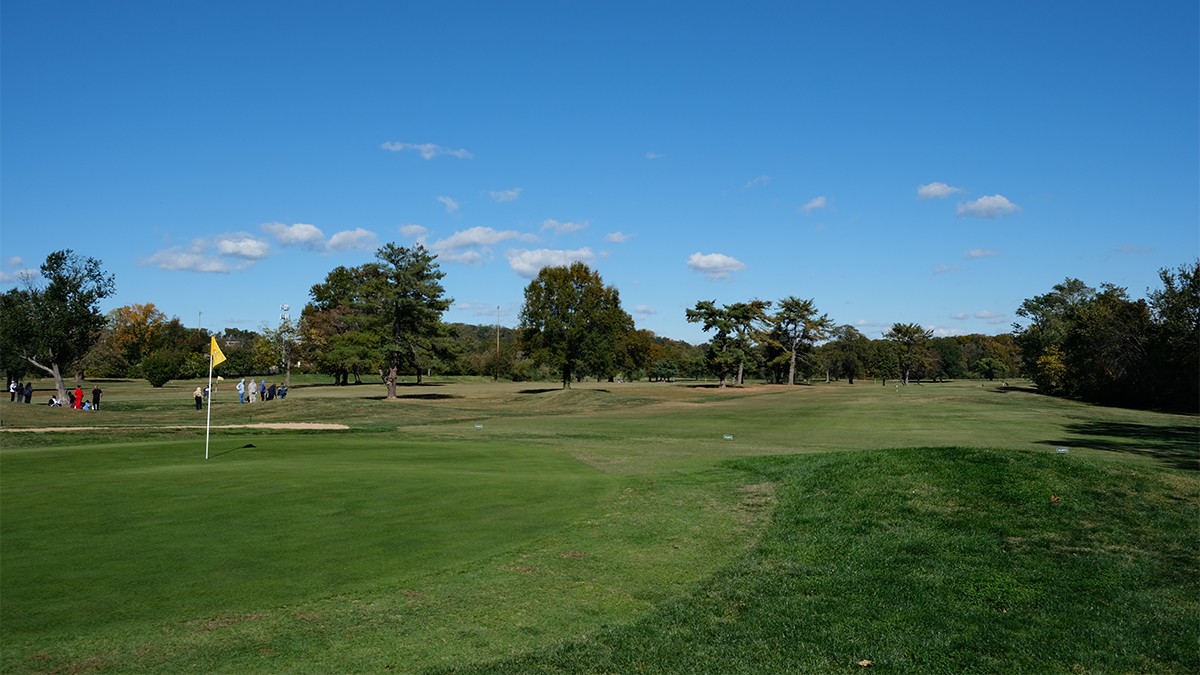
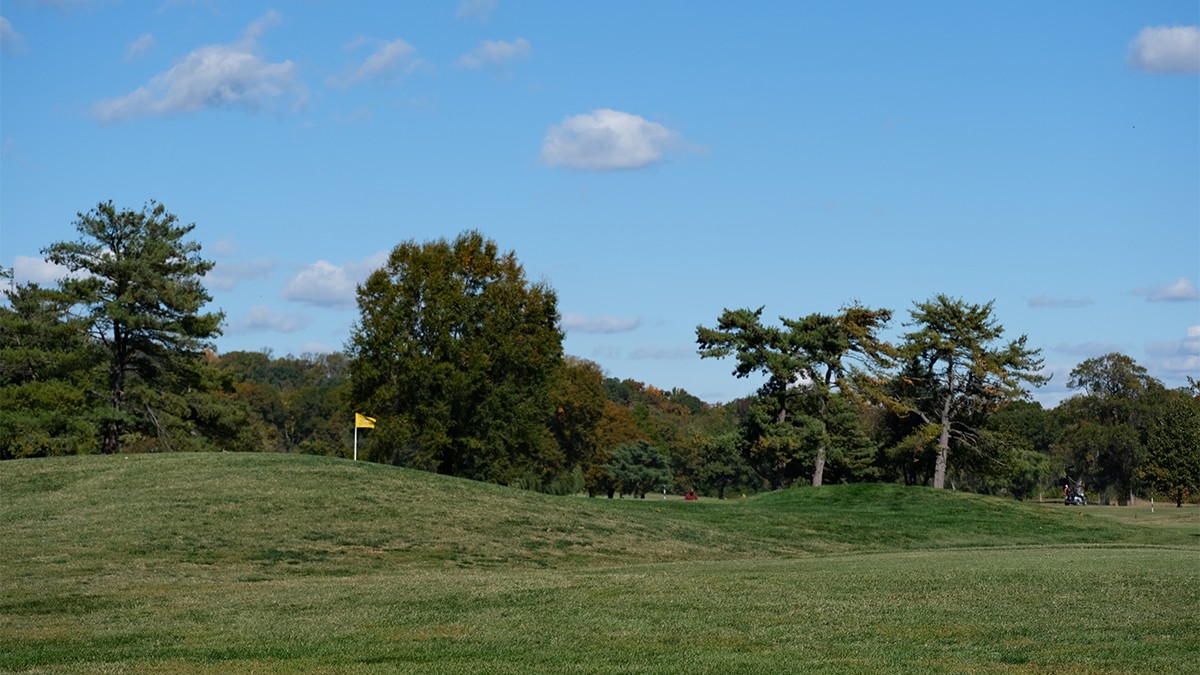
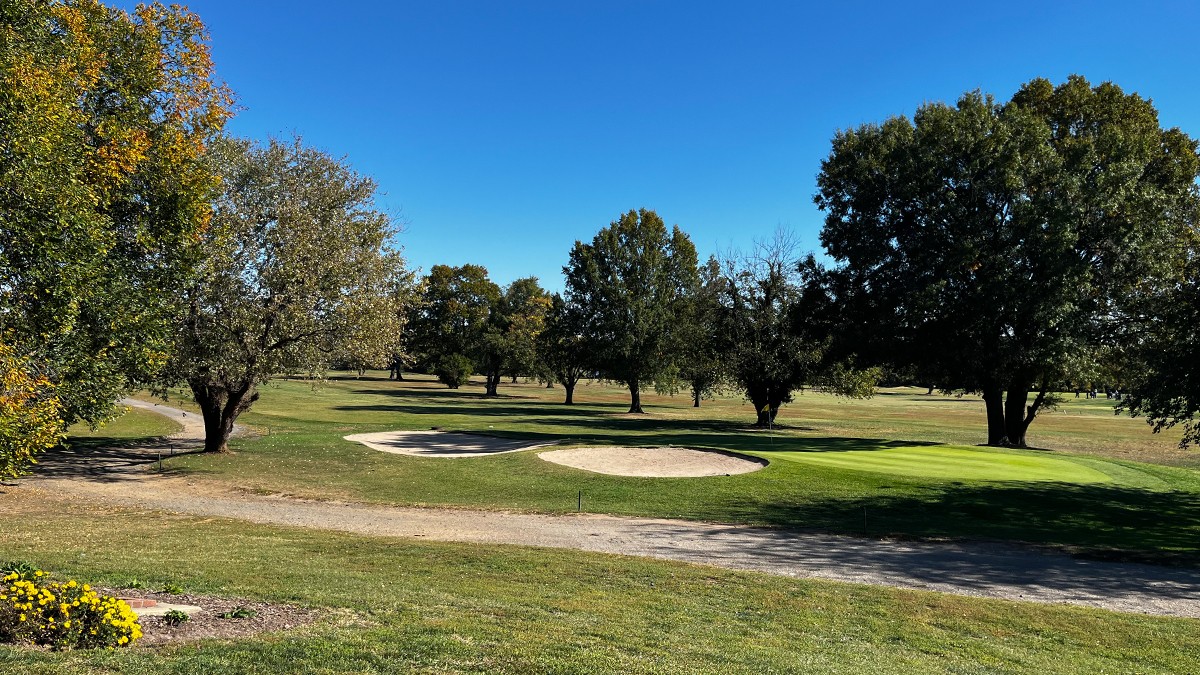
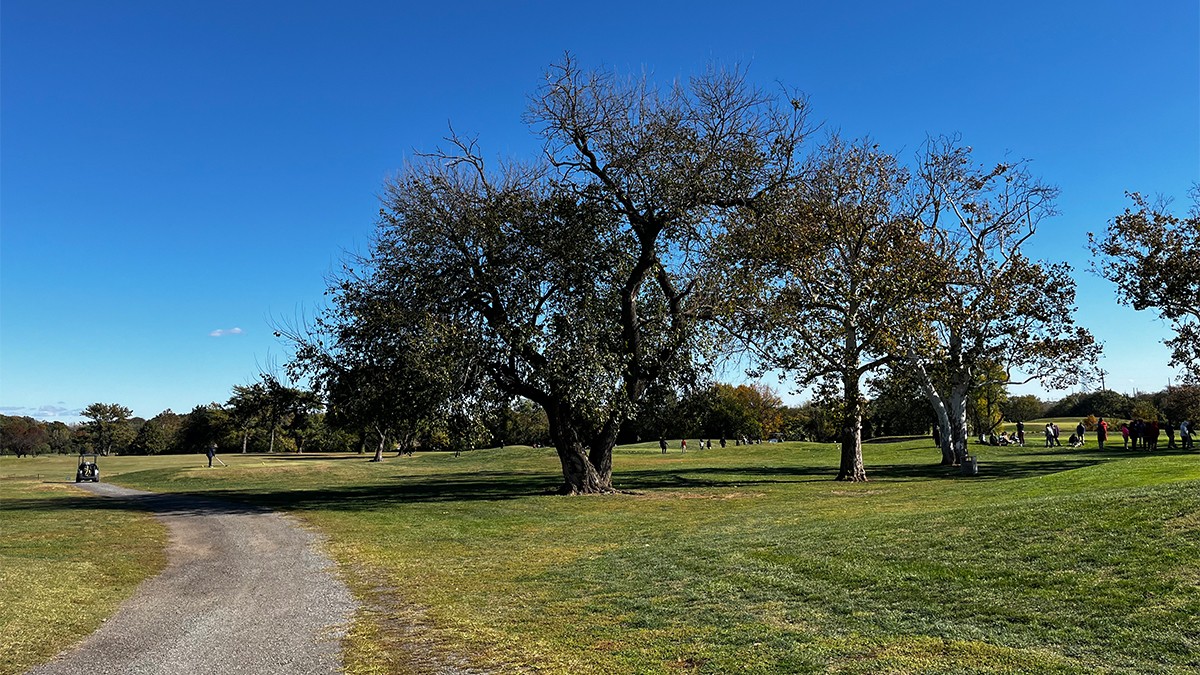
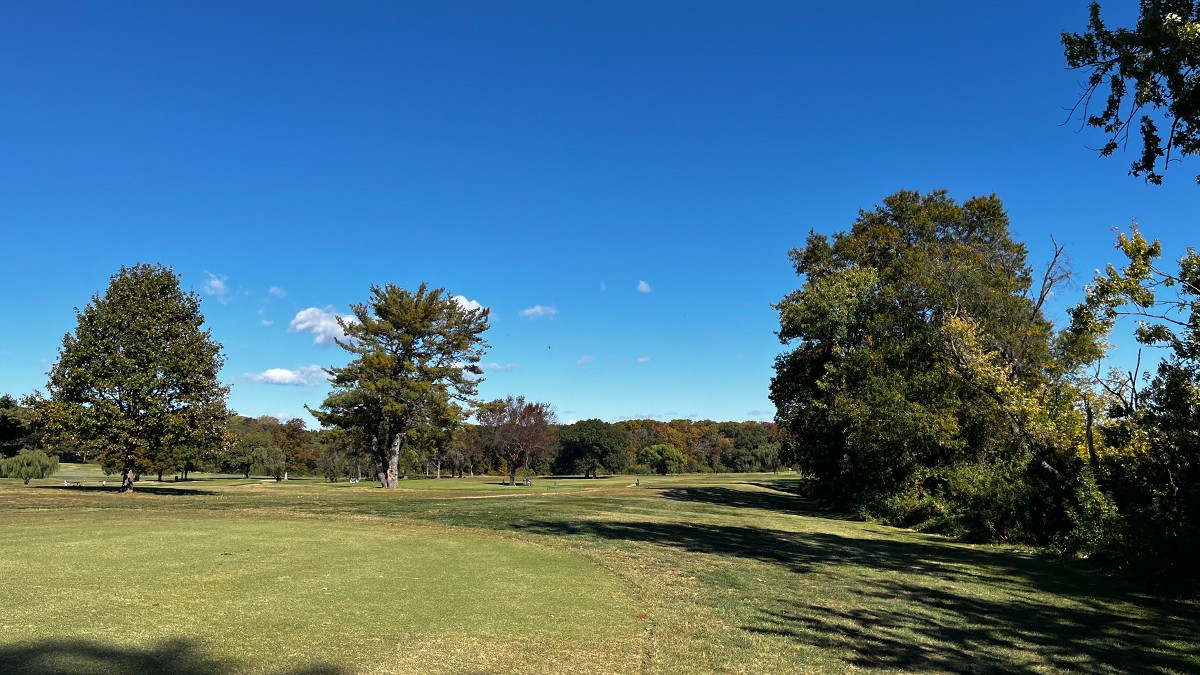
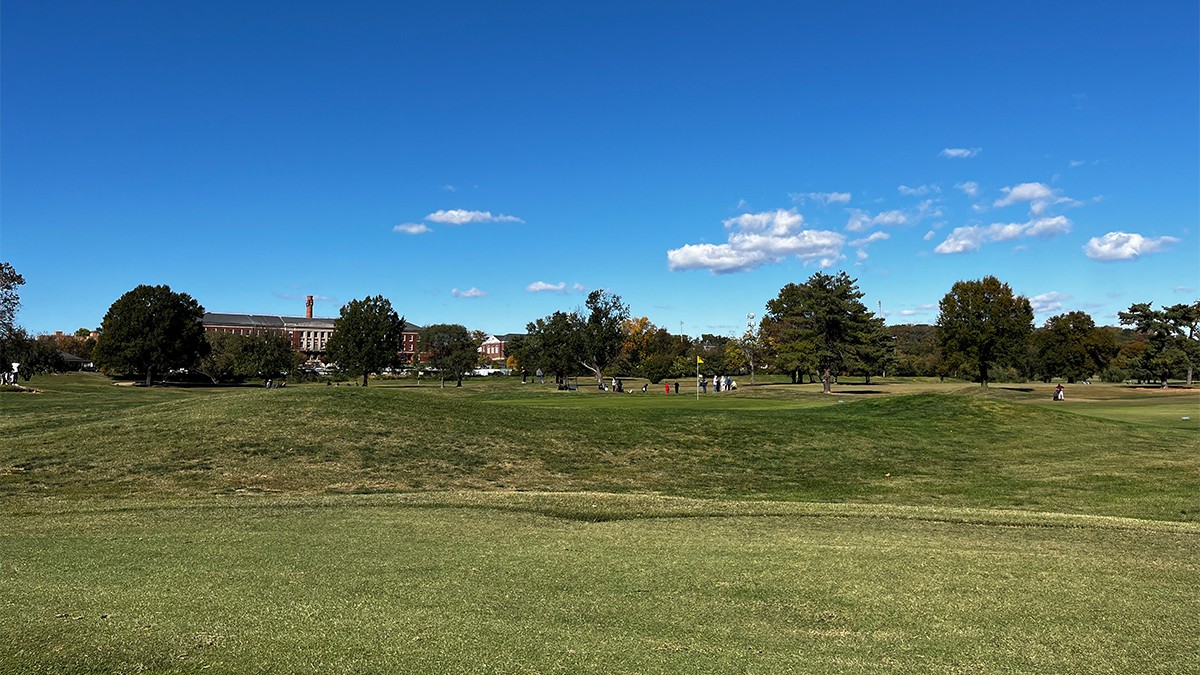
The otherwise relatively level terrain is shaped by man-made hills and asymmetrical sand traps. Deciduous and evergreen shade trees (including pine, willow, and willow oak) dot the course and a dense woodland marks its northern perimeter. Breaks in the tree line along the shores of the marshland and along the eastern edge of Kingman Island afford borrowed views of the Anacostia basin.
The original nine holes were listed in the National Register of Historic Places in 1991.