Pioneer Information
Born in Homburg, Germany, Bischoff’s father and grandfather were both royal gardeners at the Nymphenburg Palace near Munich. He was trained in landscape gardening by Matthias Sckell (1760–1816) and Friedrich Ludwig von Sckell (1750–1823), the latter of whom redesigned the gardens of the Nymphenburg Palace between 1904–1823 and operated a landscape gardening school in Bavaria. Bischoff assumed his father’s position as the Royal Court Gardener for the palace in 1821, serving in that role until his retirement in 1852.
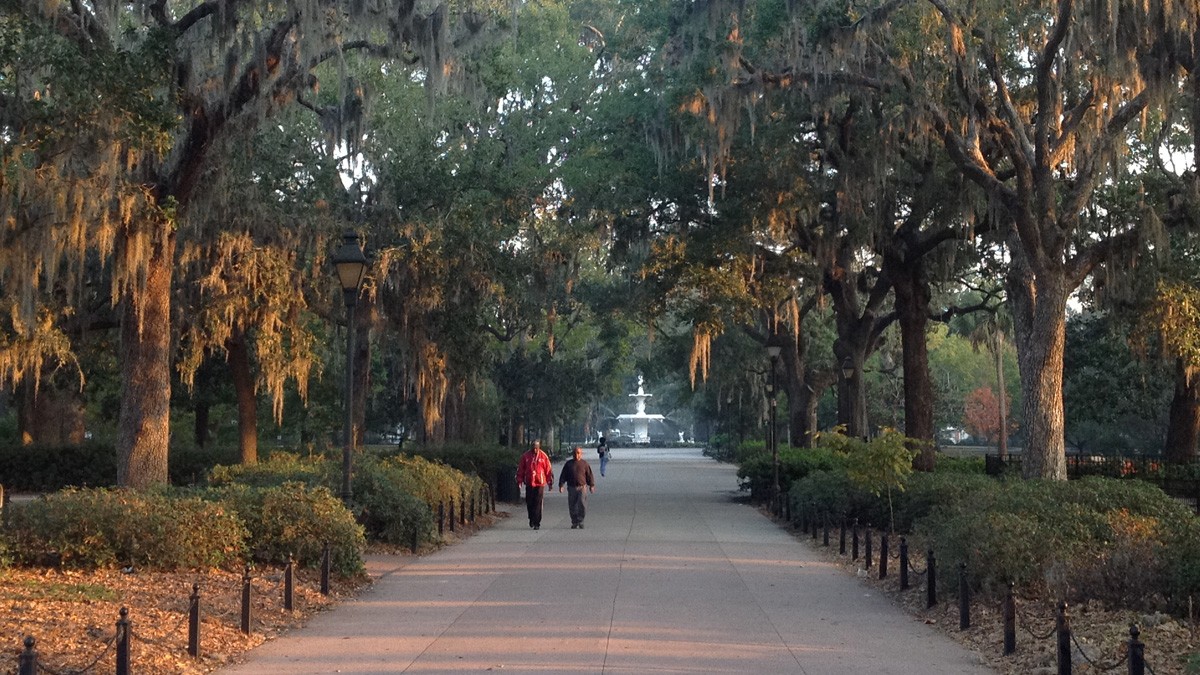
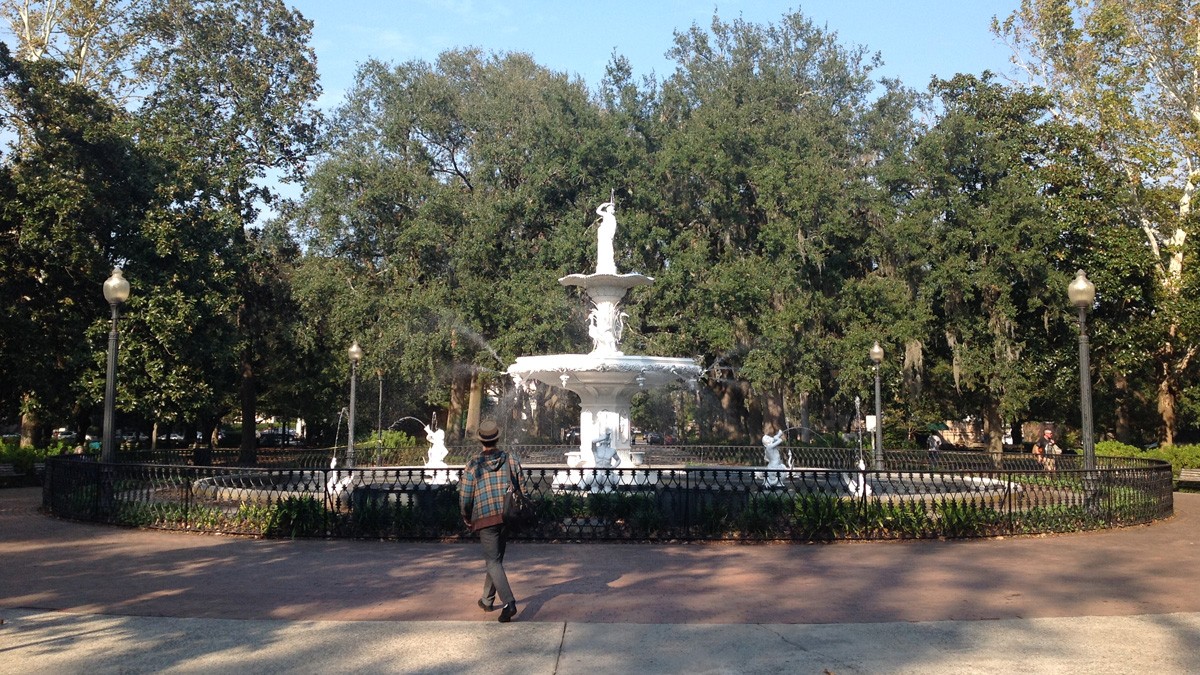
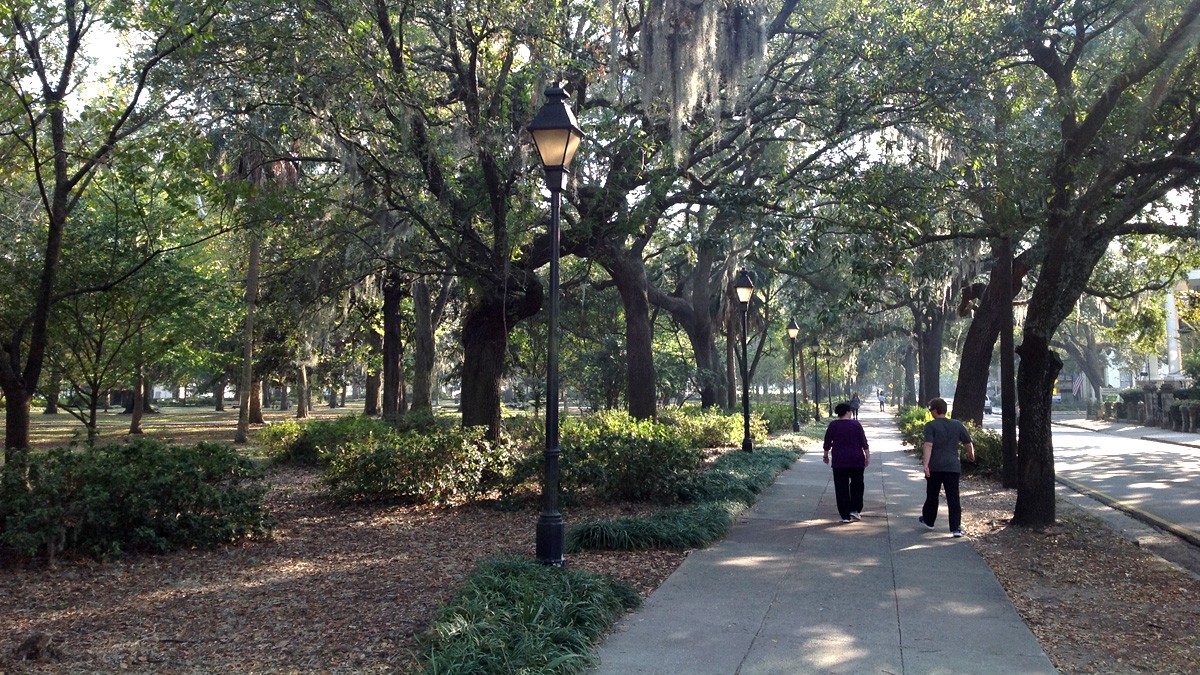
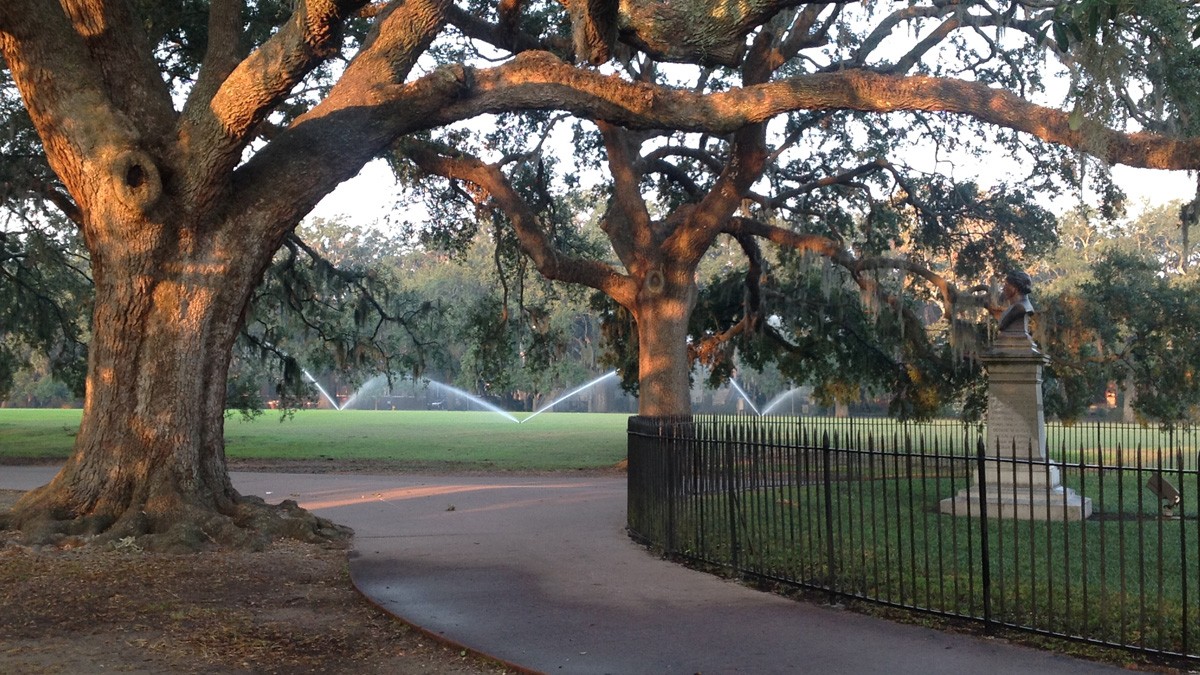
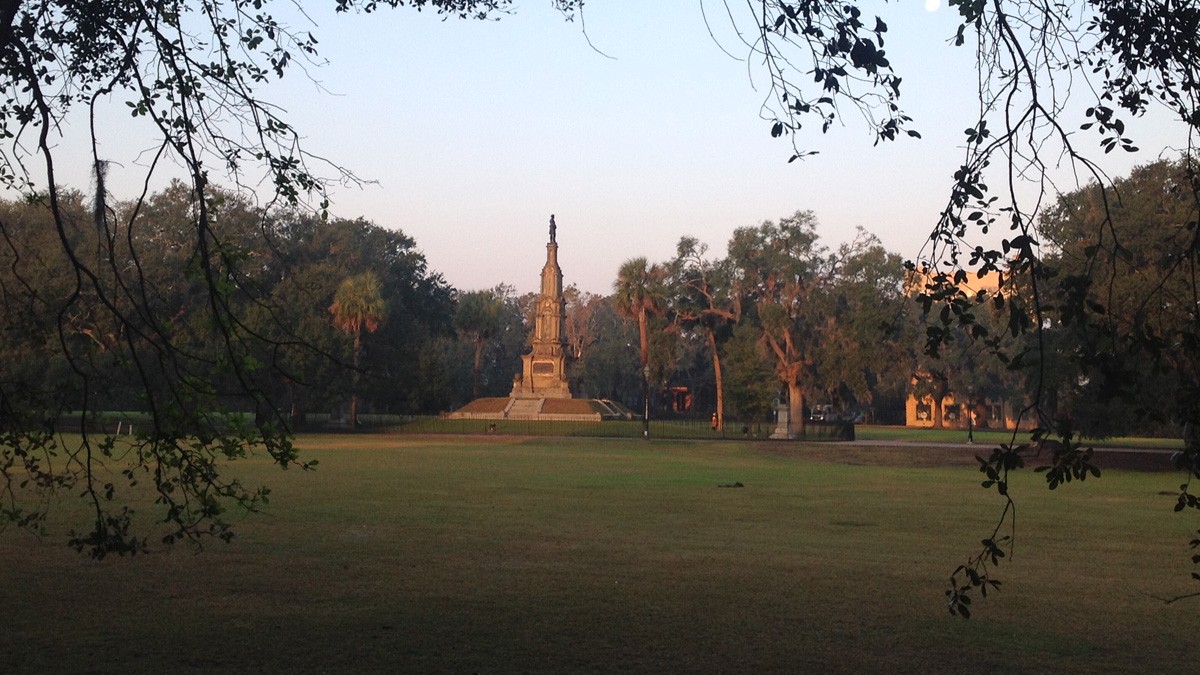
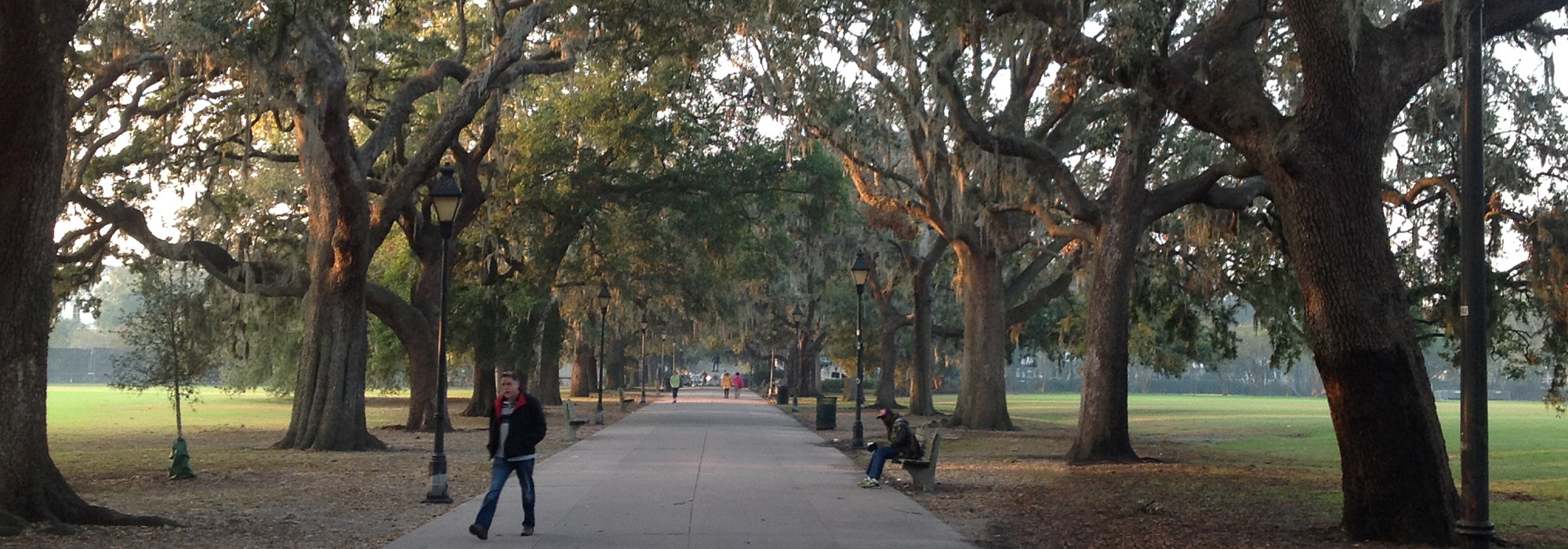
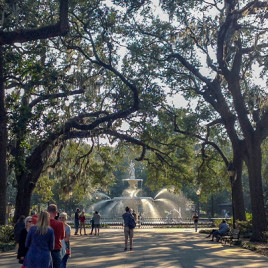
In the early 1850s Bischoff travelled to the United States to visit his daughter Juliana Bischoff Knorr (1831–1896), who had moved to Savannah, Georgia, in 1850 with her husband Dr. Louis Knorr (1825–1903), a librarian of the Georgia Historical Society. The city of Savannah was preparing to develop a large, downtown park, one of the earliest municipal parks in the United States, called Forsyth Place (now Forsyth Park), named after John Forsyth, the 33rd governor of the state, for both passive and active recreation. Bischoff received the commission, creating a picturesque landscape design inspired by formal French gardens that featured asymmetrical, curving paths leading to a focal point where, in 1858, a two-tiered, cast-iron fountain was added. His design was modified and implemented by local architect and city surveyor John B. Hogg. Bischoff later purchased farmland outside of Savannah, establishing a nursery, tree farm, and agricultural school. He continued to travel between Bavaria and Georgia until his death in Bavaria at the age of 84.