Sunset Magazine Headquarters Eligible for Nomination to the National Register of Historic Places
As The Cultural Landscape Foundation (TCLF) previously reported on May 9, 2025, the California State Historical Resources Commission unanimously determined that the Modernist Sunset Magazine Headquarters was eligible for nomination to the National Register of Historic Places. On July 2, as reported by the local media outlet InMenlo, the Keeper of the National Register in Washington, D.C. determined that the property is eligible for listing under three areas of significance: architecture, commerce, and, significantly, landscape architecture.
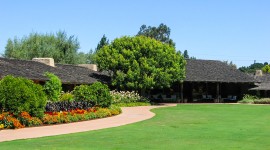
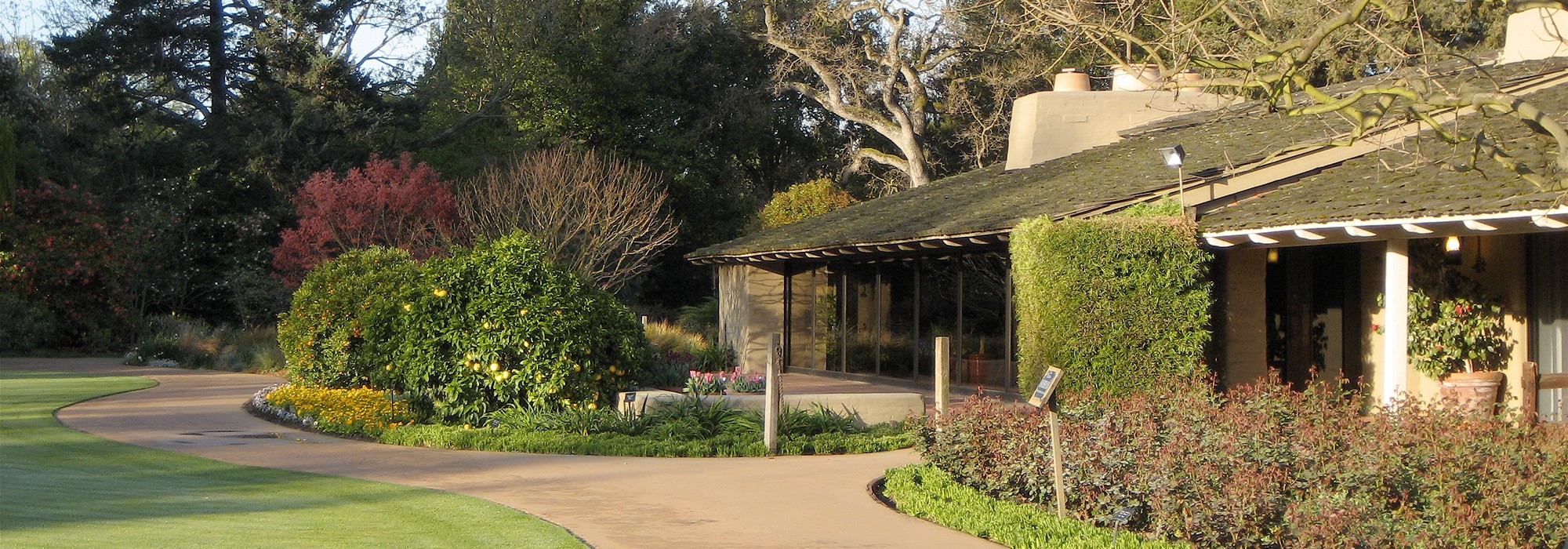
The determination of eligibility is important because the owner of the property, Willow Project LLC, and real estate developer, N17 Development, seek to raze the site’s iconic California Ranch-style office building (designed by architect Cliff May), and Modernist landscape (designed by landscape architect Thomas Church), constructed in 1951. As InMenlo reported, the seven-acre campus would be replaced with “a series of buildings 301 to 458 feet tall, with a more than 300,000 sf office space, 36,973 sf retail, a 130-room hotel, a 2,670 sf private preschool, and residential units, [twenty percent] of which ... would be for those making less than 80% of area’s median income [a so-called Builder’s Remedy loophole expedites approvals for projects with at least twenty percent affordable housing]. Consequently, the developer claimed the proposed complex was an ‘affordable housing’ development.” In response, Commissioner Lee Adams said: “like my colleagues, I’m sympathetic to the social issues, but that’s not our purview. While many public agencies balance those issues, we’re here to balance history, period. Full stop.”
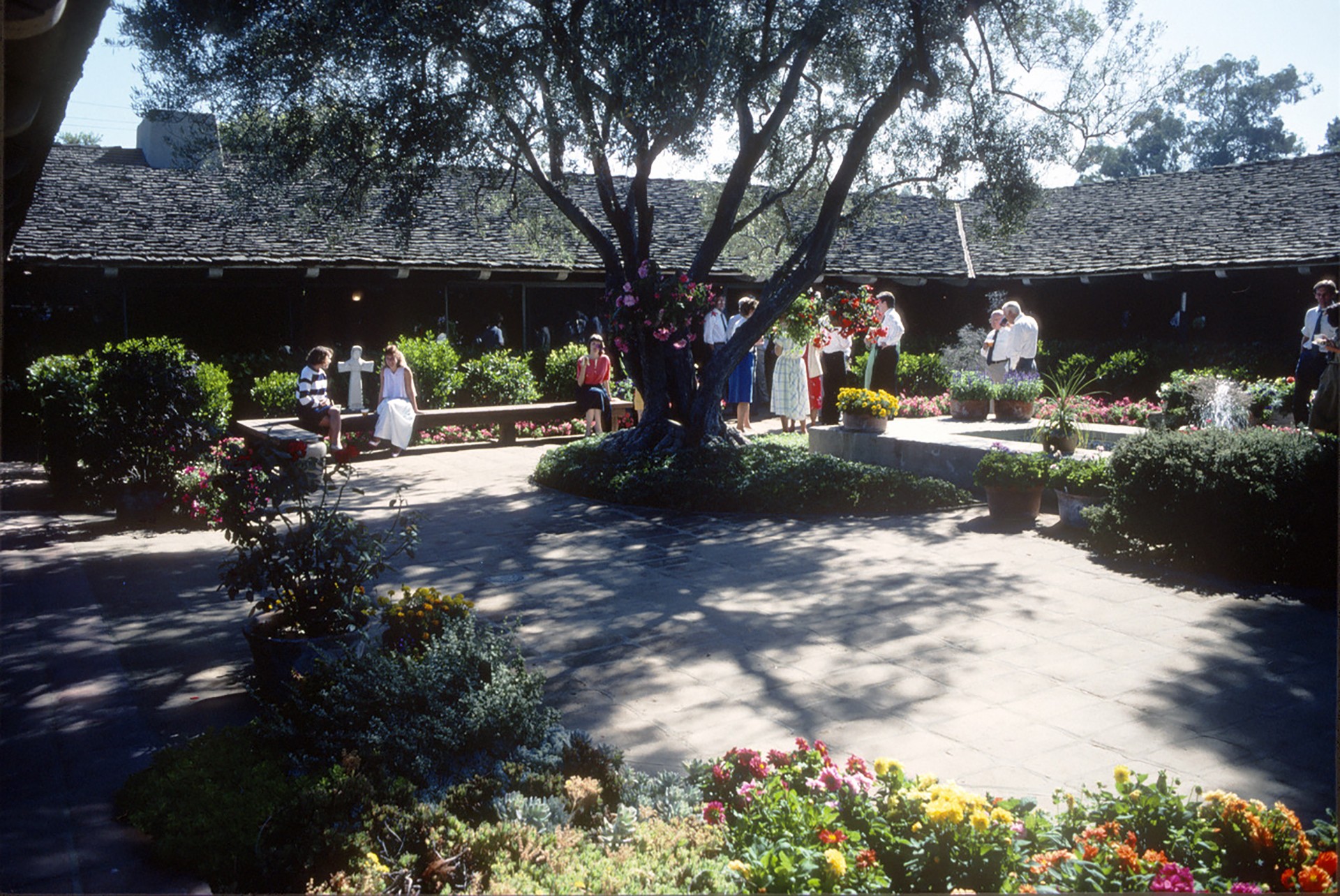
At the May 9 hearing the developer, representing the owner, argued against the property’s eligibility for nomination to the National Register, claiming that aspects of the property have changed (e.g., the absence of a historic tree). According to InMenlo Commissioner Janet Hansen responded: “trees die and plants die . . . other things may be planted.” The State Historian echoed Hansen’s comment, stating that properties “are not expected to be preserved in amber, buildings and landscapes are expected to experience change over time.”
At the hearing, Commissioner Alan Hess, an authority in mid-twentieth century architecture and urbanism, said the headquarter's significance stems from its “impact on lifestyles, planning, city design, urban design, … [and] economic development of California.”
The state historian presenting the property on behalf of the state preservation office noted that despite the owner and developer’s objections, in 2023 both signed a report, which they submitted to the city, acknowledging the property’s significance in landscape architecture, architecture, and “contributions to the local and regional history, as well as the cultural heritage of California and the United States.” Importantly, that report is now part of the federal record.
In 2024 the owner submitted a formal protest against the nomination to the state preservation office; however, the letter only prevents the property from being listed in the National Register, and not for the consideration or determination of eligibility.
The property is now officially a historic resource. With the determination of eligibility, the property was also automatically listed in the California Register of Historical Resources, which ensures heightened protection under the California Environmental Quality Act.