


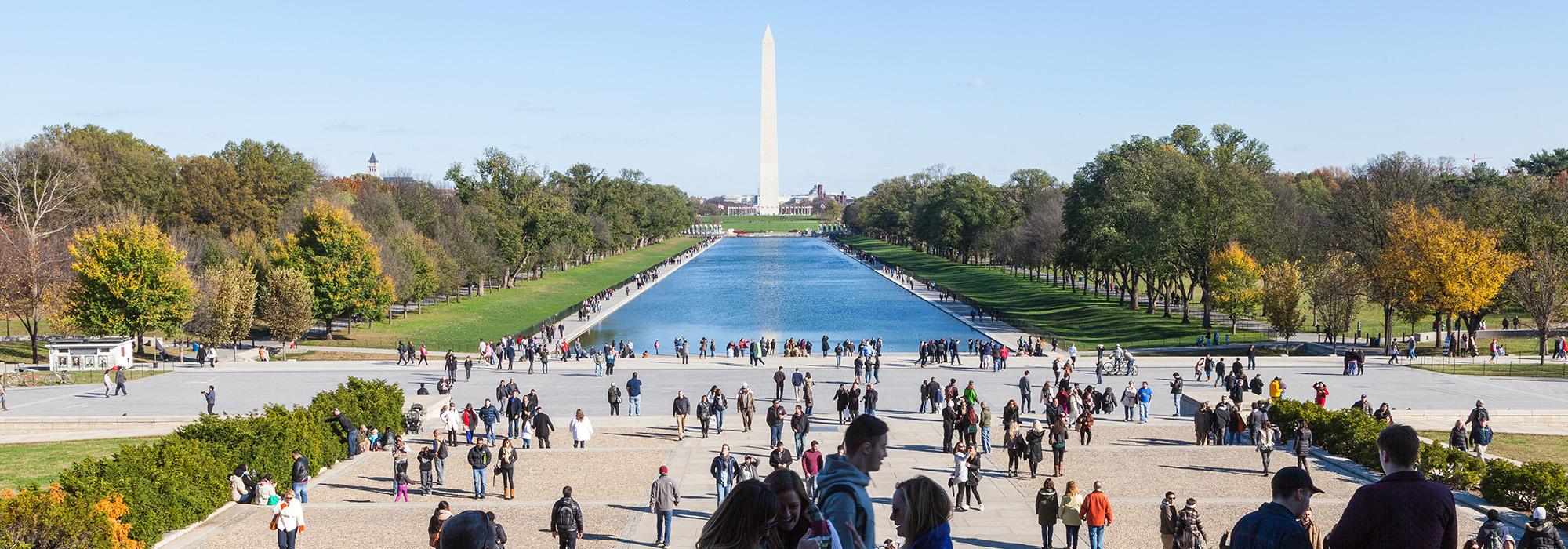
An Arch, a Ballroom, and Repainting the Reflecting Pool ... What Next?
Massive changes to the face of the nation’s capital are proceeding largely because of the lack of an authentic regulatory review process. The demolition of the White House East Wing, the proposal for a 250-foot-tall triumphal arch next Arlington National Cemetery, and renovations to the Kennedy Center have captured national headlines, but there’s more afoot. The two regulatory bodies with the most sway—the U.S. Commission of Fine Arts (CFA) and the National Capital Planning Commission (NCPC)—are completely (the former) and largely (the latter) stocked with presidential appointments with little or no relevant experience in landscape architecture, architecture, the fine arts, and urban planning. There are also reviews under the National Environmental Preservation Act (NEPA) and Section 106 of the National Historic Preservation Act, though the ballroom project is exempt from the latter. For context, there are two overall plans for the nation’s capital, Pierre L’Enfant’s late eighteenth century design, and the McMillan Commission Plan of 1902, which reaffirmed L’Enfant’s original. They have been the guiding force for the CFA and NCPC for more than a century; until now.
With that as background, here’s a rundown of what’s happening and what we can expect:
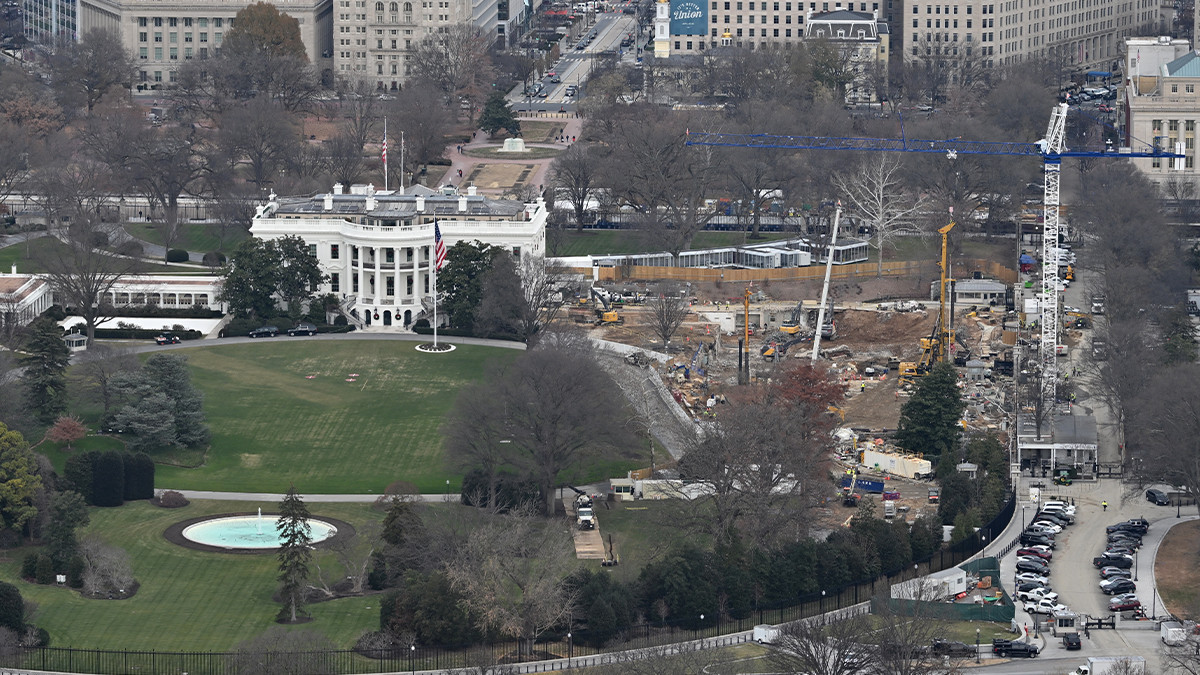
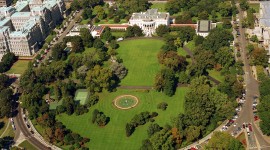
Construction on the White House ballroom was recently given a green light, until June 5, by the U.S. Circuit Court of Appeals for the District of Columbia after a lower court judge issued a preliminary injunction to halt the work. The legal case stems from a lawsuit filed by the National Trust for Historic Preservation in December 2025, that claims the work must be authorized by Congress. Both the CFA and NCPC have given the project “concept” and “final” approval, despite the fact that each body approved different versions of the design. Oral arguments before the three-judge Court of Appeals will take place June 5 at 9:30AM.
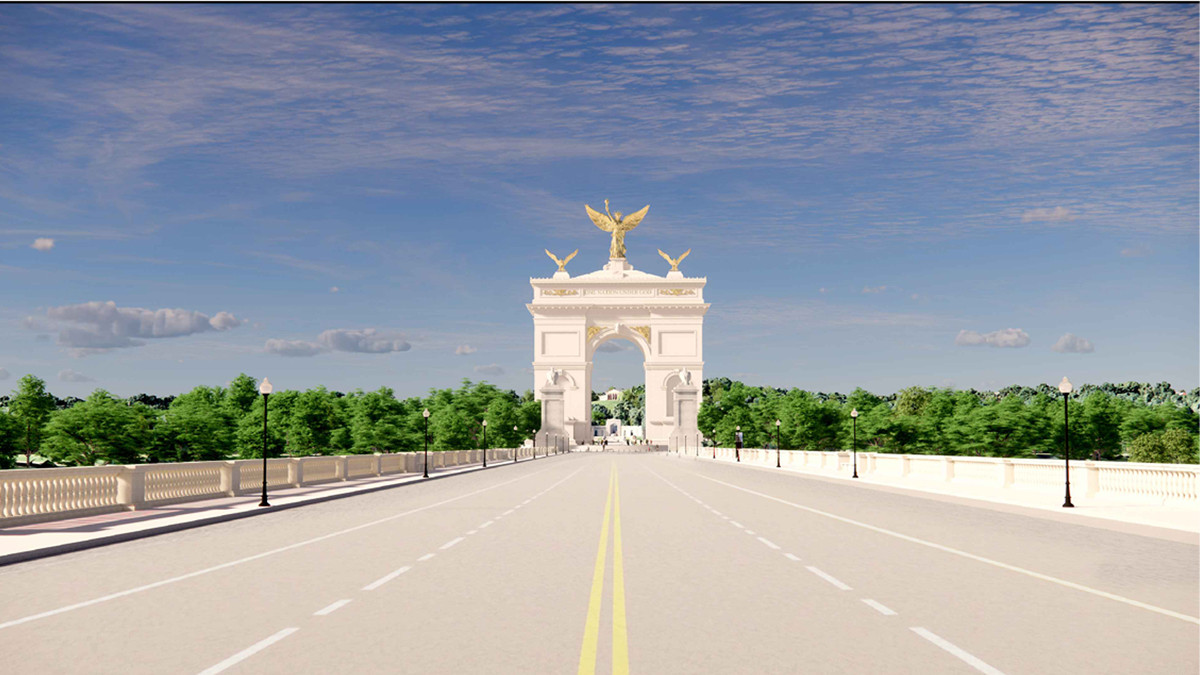
A triumphal arch in D.C. has been a pet project of CFA Chairman Rodney Mims Cook for some 30 years according to a recent Washington Post article. Actually, the article says, he wants three arches and he believes this “would satisfy architect Pierre L’Enfant’s original vision for the capital.” The article continues:
Some historians who have studied L’Enfant, Washington’s original designer, questioned why Cook has invoked him to justify the building of new arches around the city.
“Nowhere in his plan is there a ‘gateway,’” said Caren Yglesias, an architect who teaches on L’Enfant at the University of Maryland.
The 250-foot-tall arch proposed for Memorial Circle near Arlington National Cemetery has drawn considerable media attention as well as a lawsuit opposing its construction. Meanwhile, the project came before the CFA on April 16 where it received concept approval. However, Vice-Chair James McCrery (the original architect of the ballroom), raised objections to the statuary atop the memorial and suggested its removal, which would reduce the arch’s height by 84 feet. No word on how this was received at the White House and the project does not appear on the agenda for the next NCPC hearing on May 7. We may learn more about design revisions if the project again comes before the CFA on May 21. Since the project would be built on a site listed in the National Register of Historic Places, it will be subject to a Section 106 review; The Cultural Landscape Foundation (TCLF) has requested to be a consulting party to that review.
The proposed renovation of the Kennedy Center has drawn a lawsuit that includes TCLF as one of the eight plaintiffs; therefore, no additional comment will be made beyond the fact that a hearing is scheduled on Wednesday, April 29.
Additional projects that have garnered less attention include: a new White House Visitor Center to be constructed under Sherman Park, immediately south to the U.S. Treasury Building, Lafayette Park, across the street from the White House; a high-end golf course in East Potomac Park; and the Garden of the Heroes in West Potomac Park. And late last week, the basin of the Reflecting Pool between the Lincoln Memorial and the Washington Monument started to get repainted.
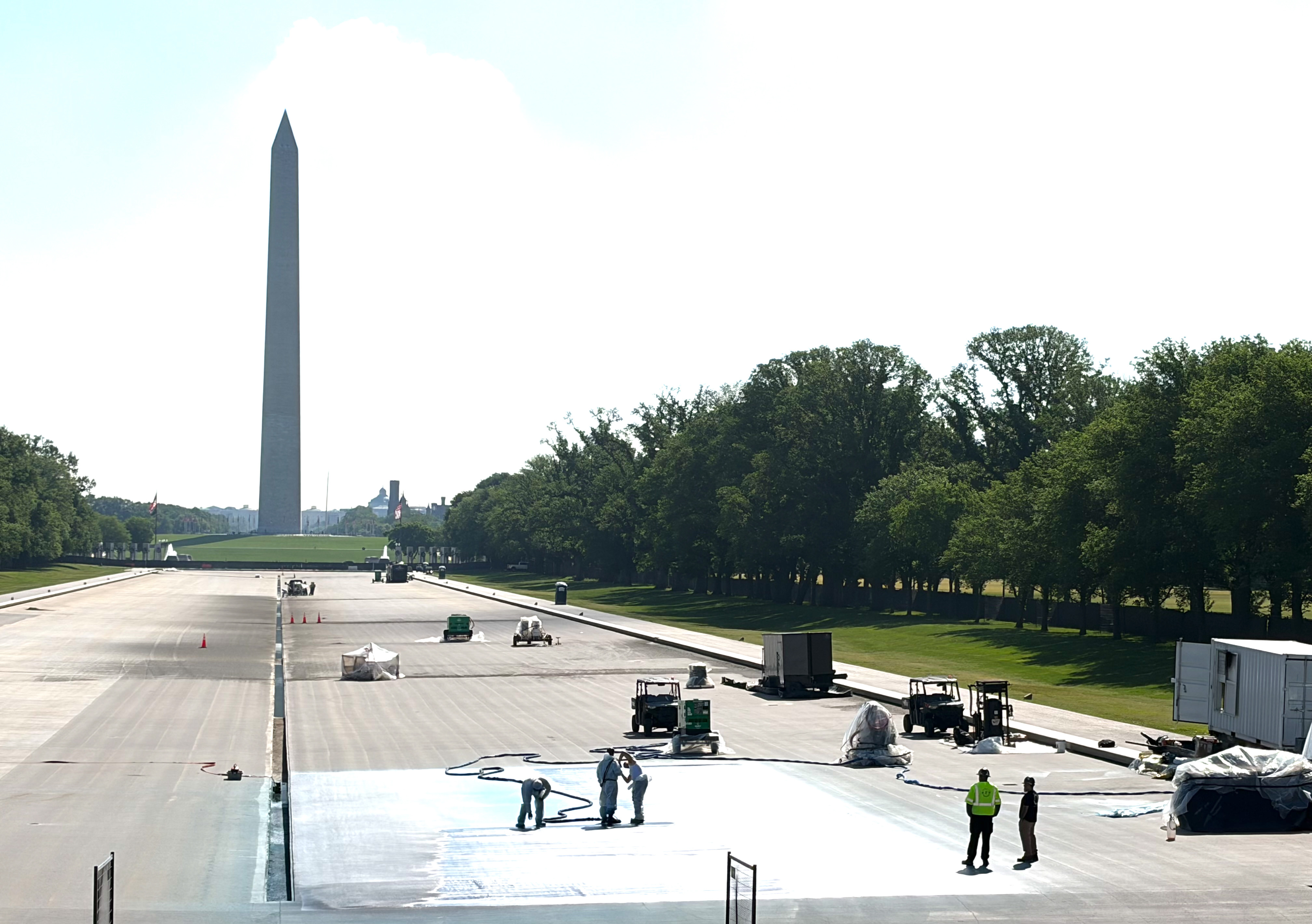
Section 106 reviews have been initiated for the Visitor Center and Lafayette Park (TCLF is a consulting party to both); TCLF has requested consulting party status for the projects at East and West Potomac Parks. Concerning the Reflecting Pool, TCLF’s Founding President & CEO, Charles A. Birnbaum, told The Washington Post, “the neutral colors used for the pool’s basin were intended to convey greater depth and reflection that could now be threatened by the president’s changes.” Since the Reflecting Pool is listed in the National Register of Historic Places, a Section 106 review is probably in order (TCLF has contacted the National Park Service to find out), and review by the CFA (which has reviewed changes and alterations to that hallowed site frequently during the past century).
We will share more as information becomes available.
Related Content
White House Grounds
Washington, DC
Lafayette Park - D.C.
Washington, DC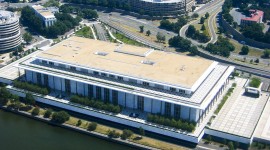
John F. Kennedy Center for the Performing Arts
Washington, DC
Lincoln Memorial Grounds
Washington, DC