Landscape Information
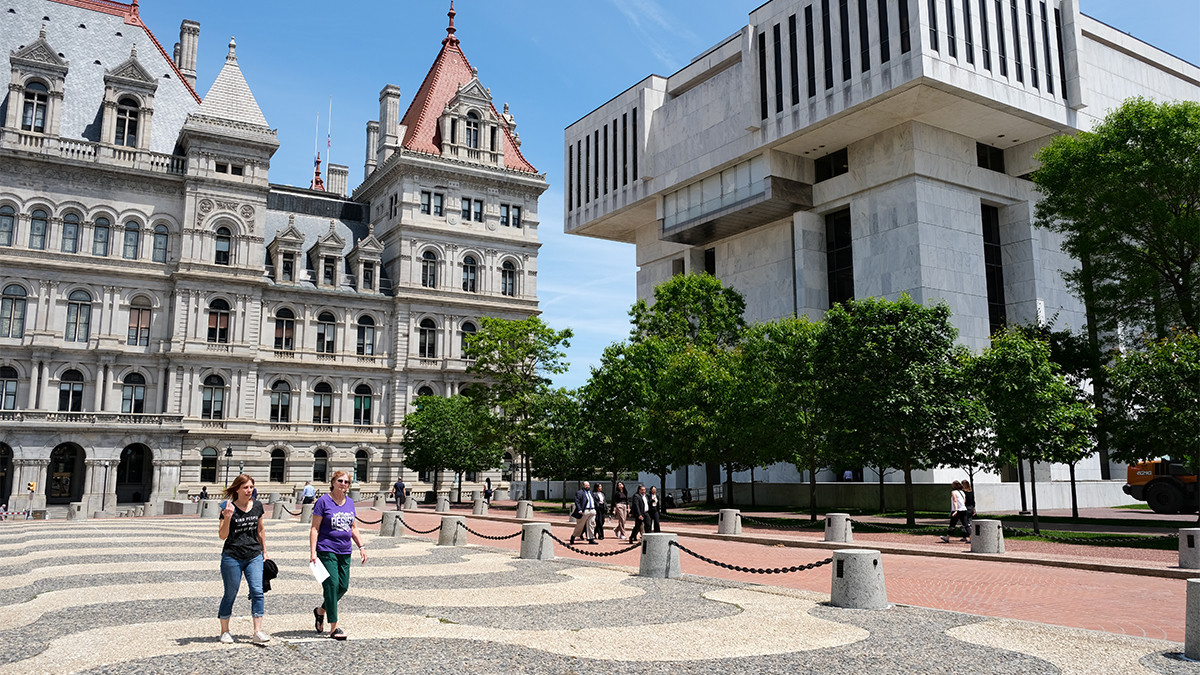
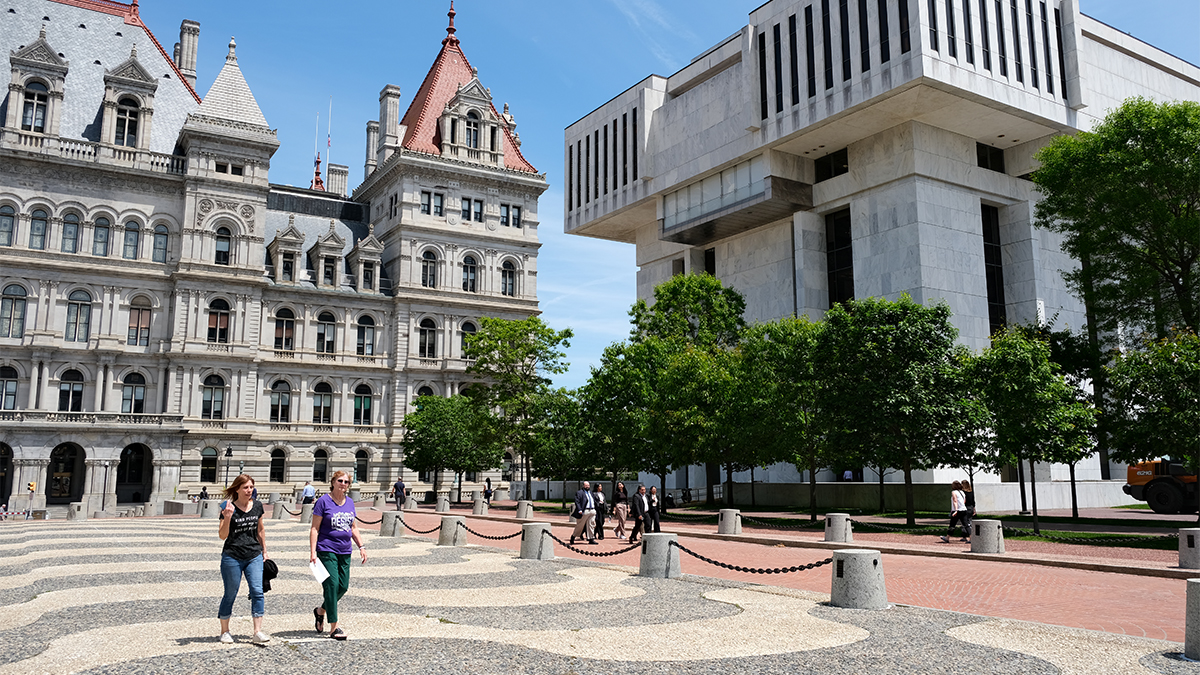
Located one-half mile west of the Hudson River, this 98.5-acre plaza was envisioned by Governor Nelson A. Rockefeller in the early 1960s and designed by architect Wallace Harrison of Harrison & Abramovitz. Intended to revitalize the city’s downtown, it visually and spatially connects the state’s Capitol building (1899) and Executive Mansion. In 1962 the state appropriated part of the South End neighborhood, resulting in the destruction of more than 1,100 buildings and the displacement of hundreds of businesses and approximately 8,000 people. Construction lasted until 1978. Built as planned, the plaza is sited atop a monumental base five-stories high, one-quarter mile long, and one-third mile wide, providing expansive views toward the Hudson River. The plaza is approached by way of the South Mall Arterial, which passes underneath.
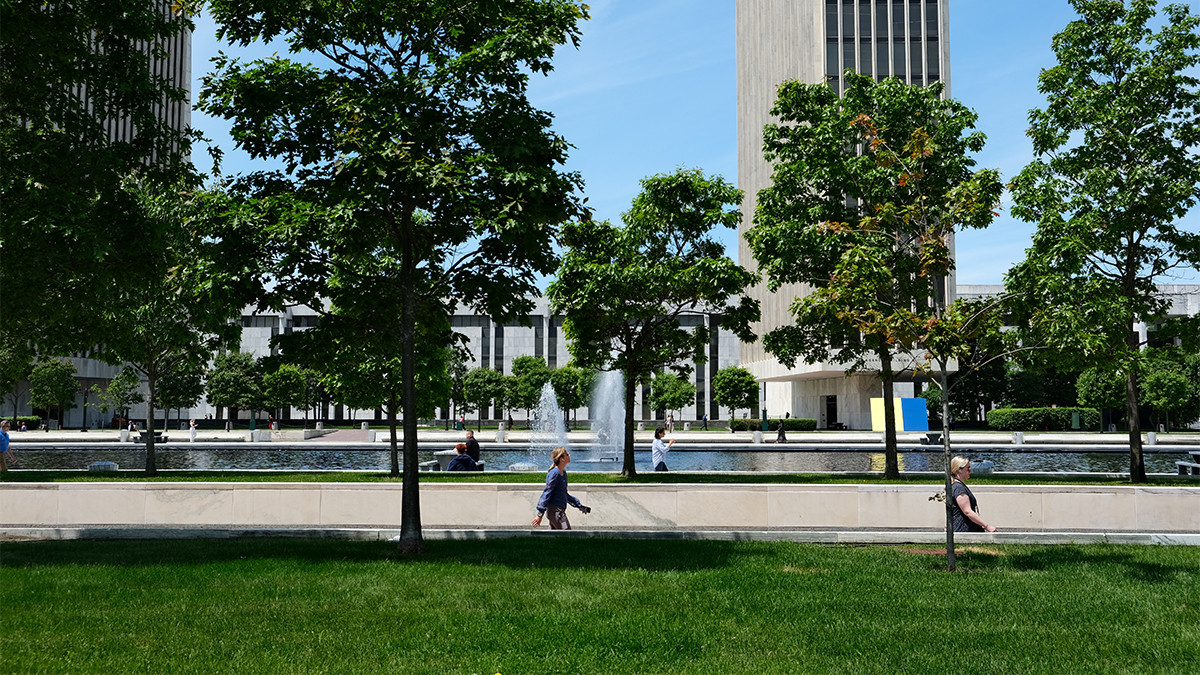
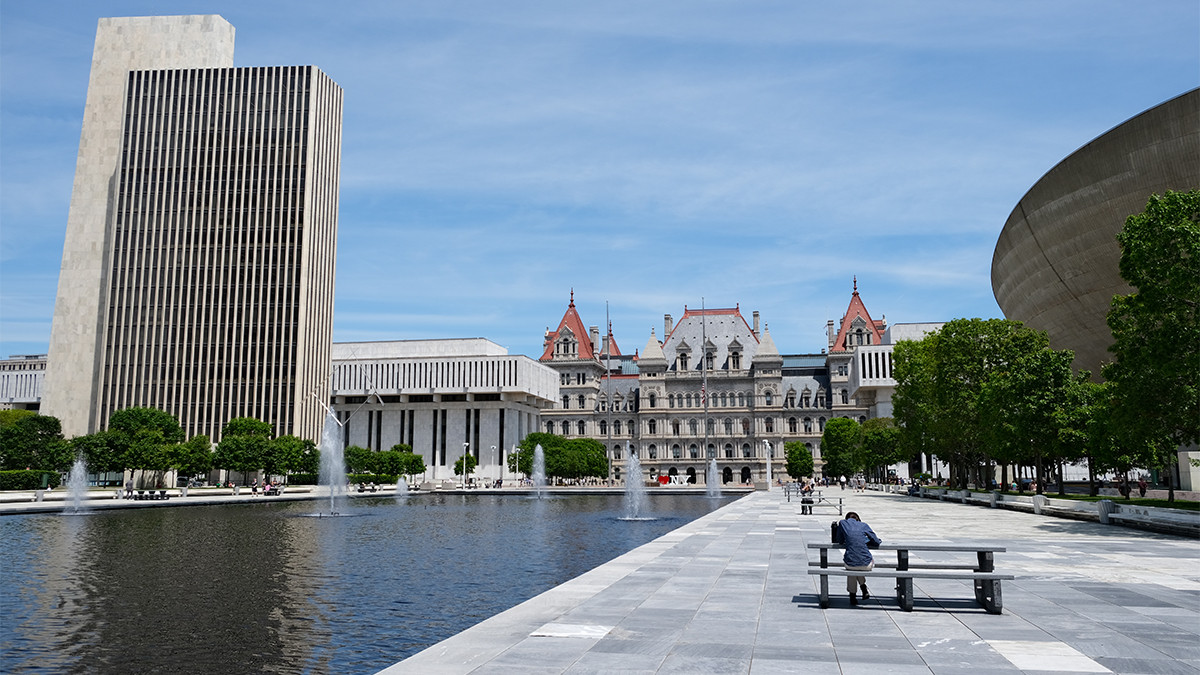
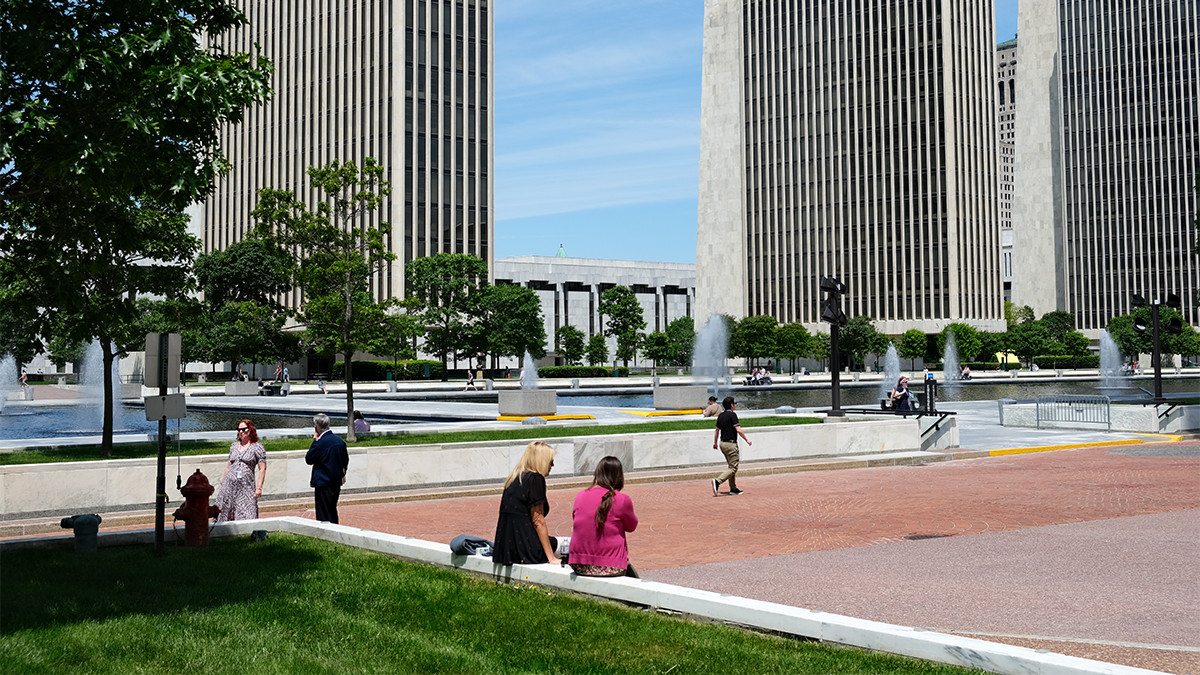
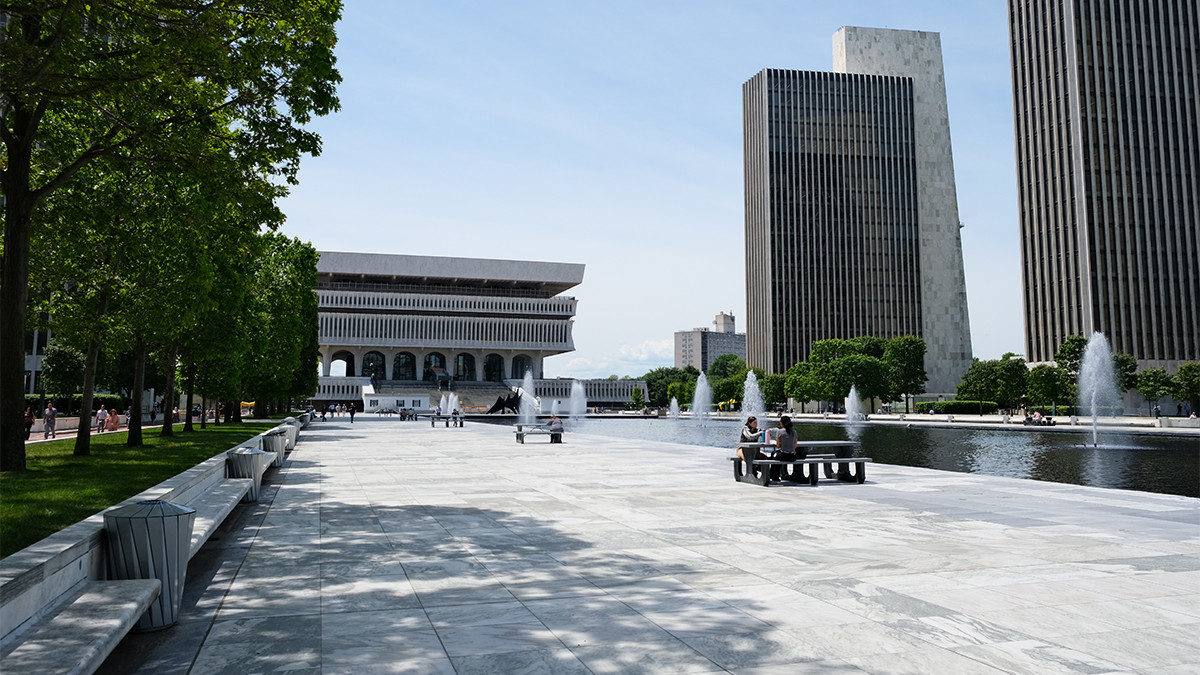
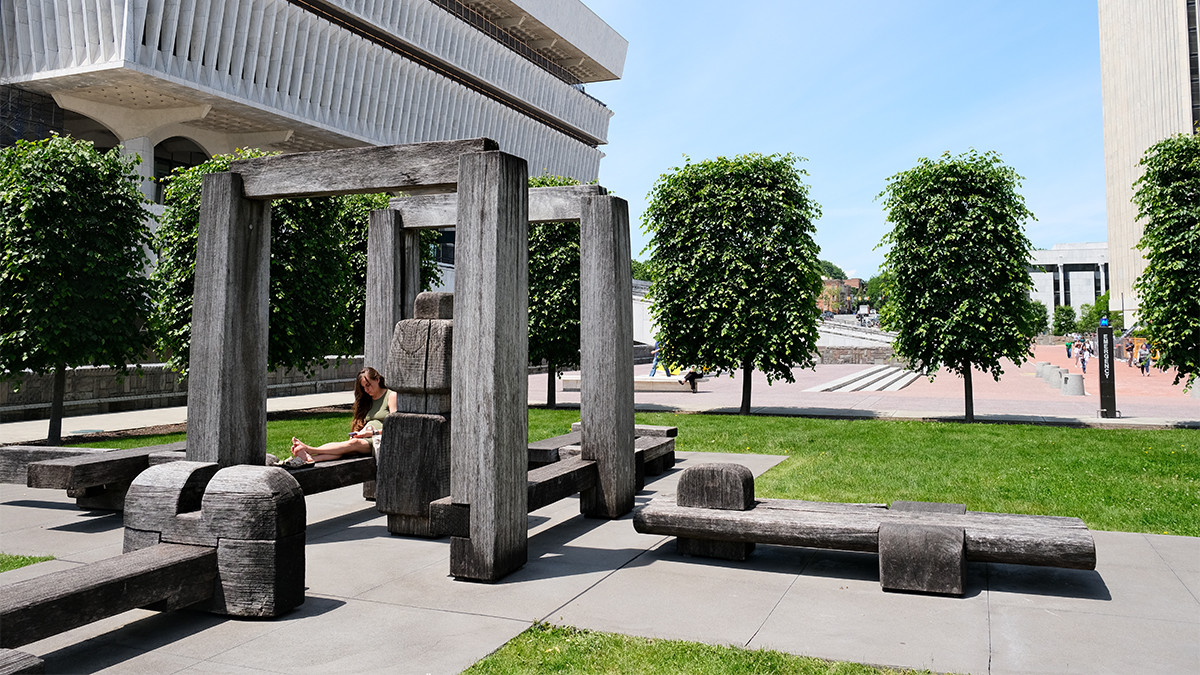
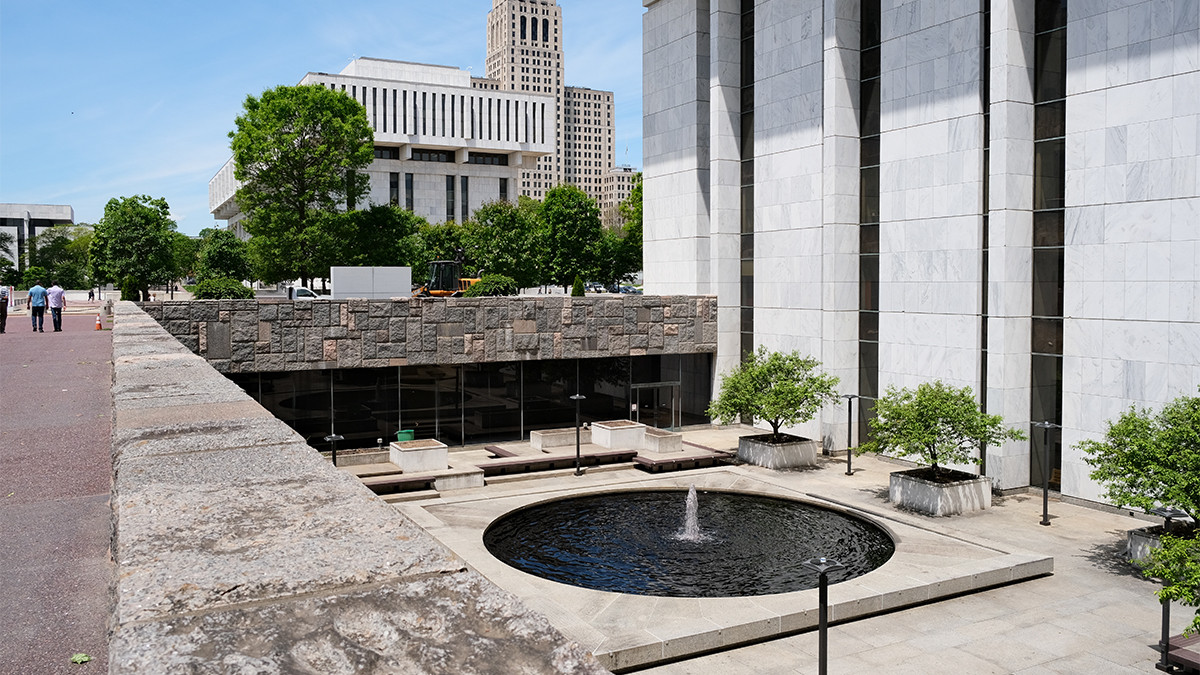
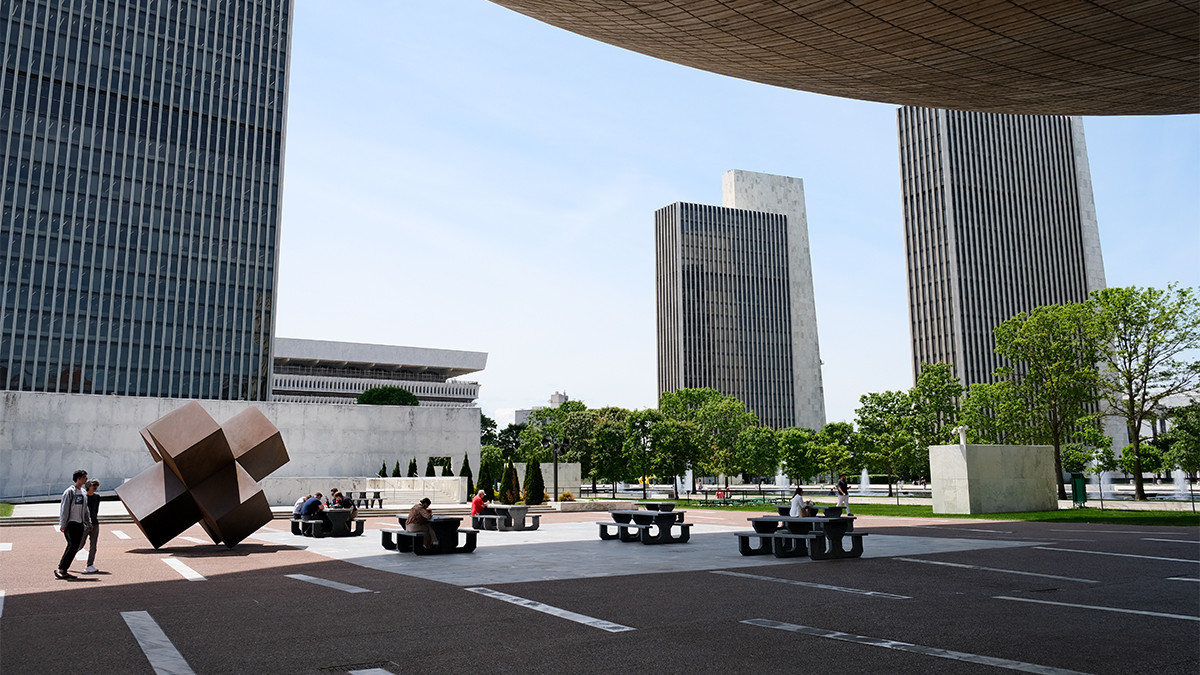
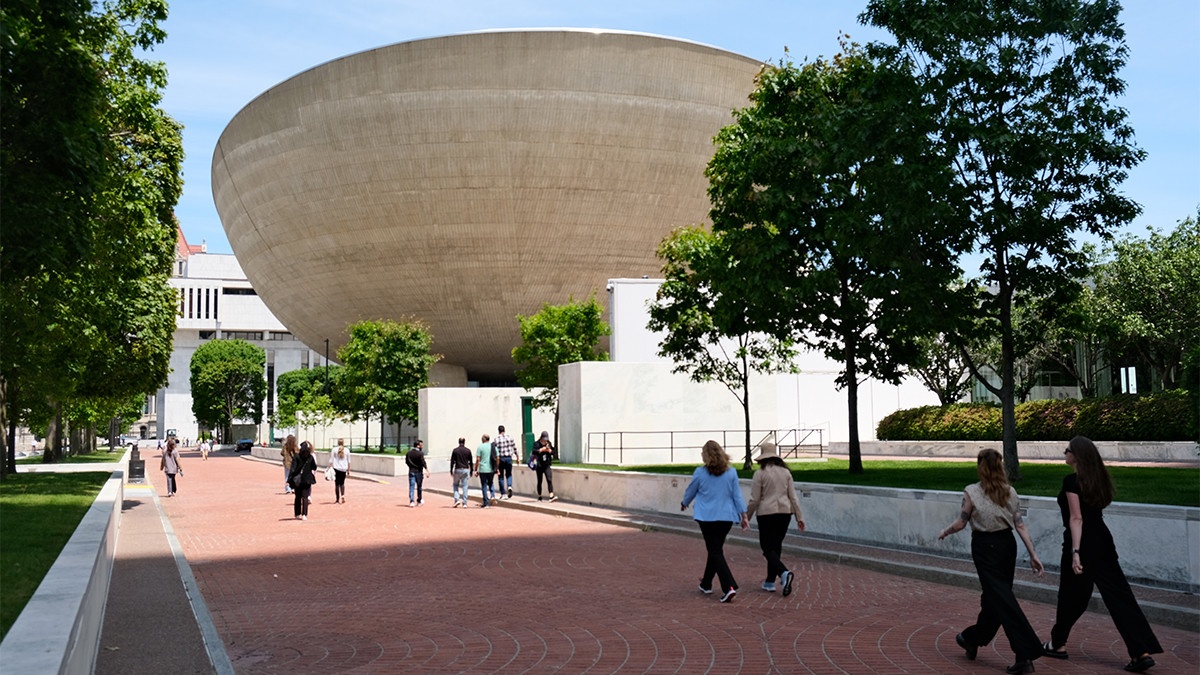
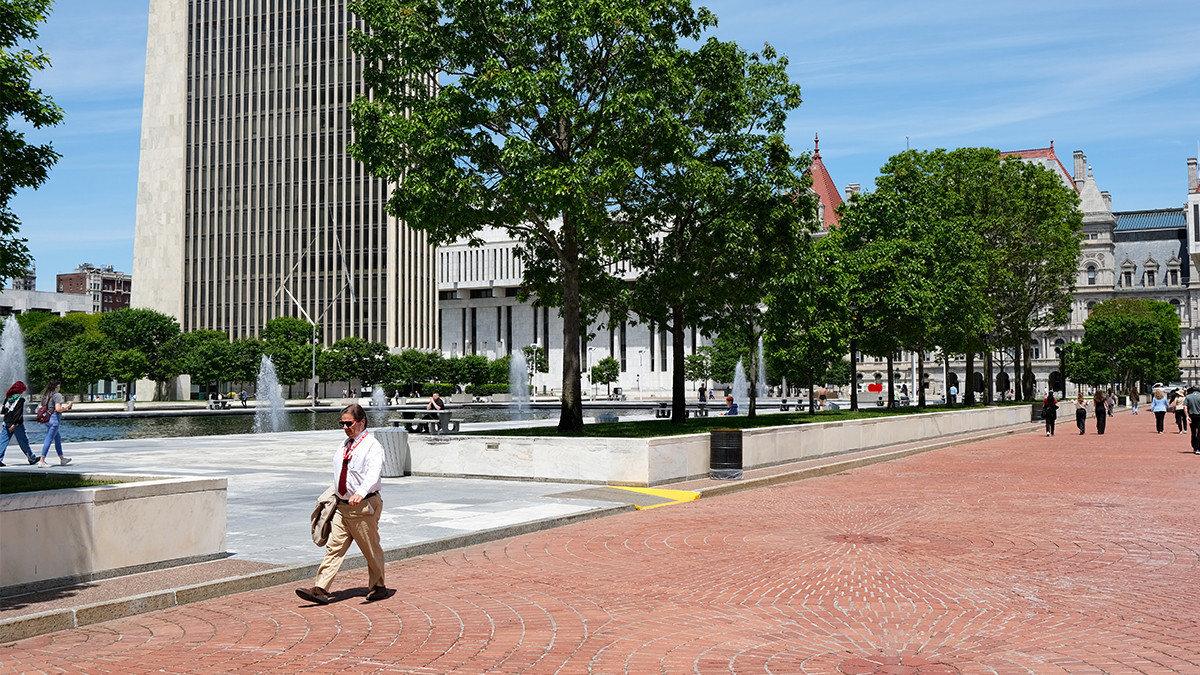
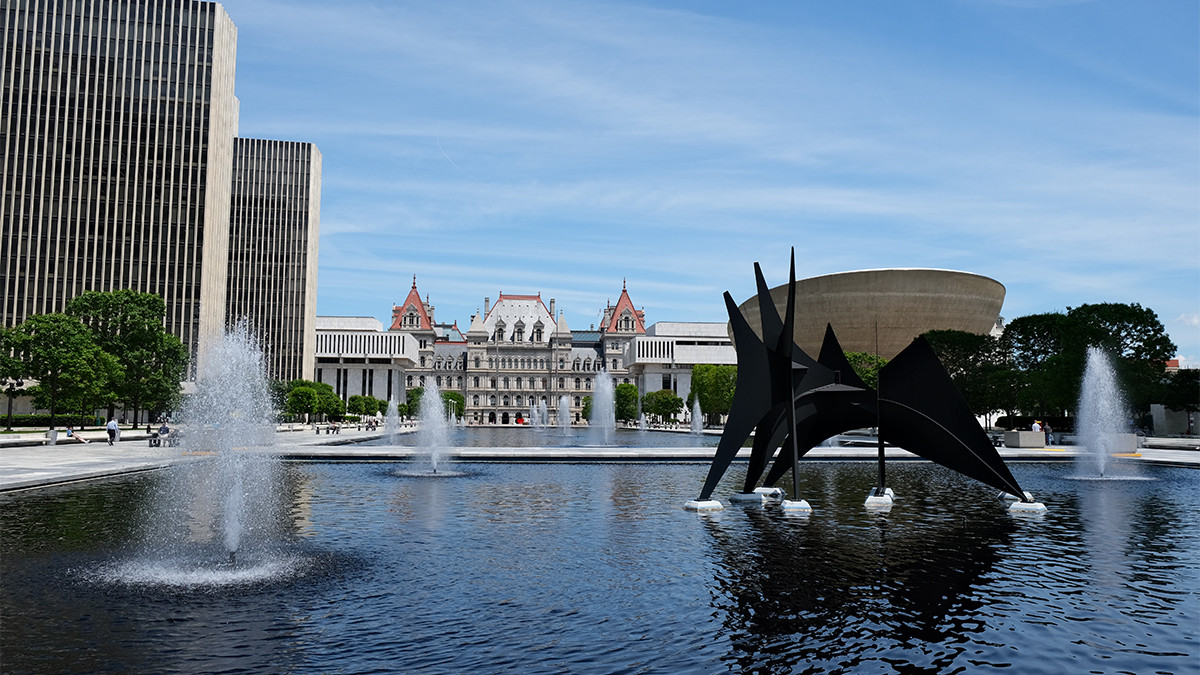
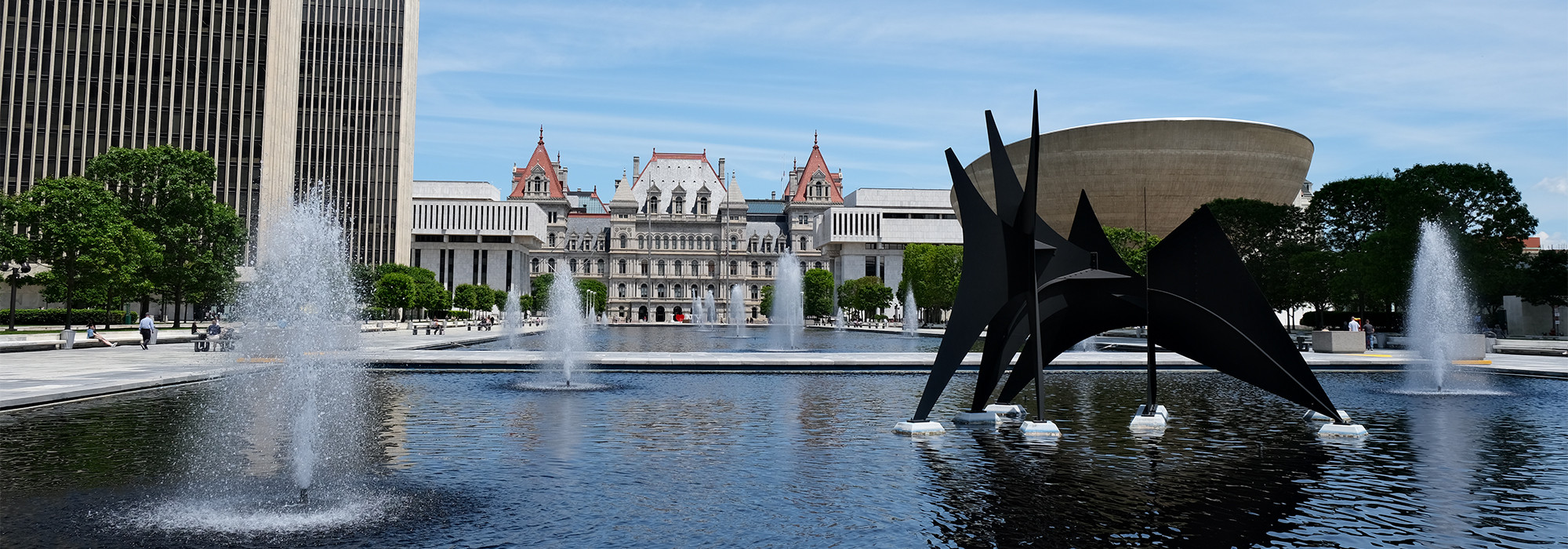
A linear reflecting pool, anchored to the southwest by the Cultural Education Center set atop a plinth, and to the northeast by the Capitol building, serves as the plaza’s central spine. Traversed by walkways and animated by fountain jets, the water feature is framed by a generous marble apron, which is separated from brick walkways by raised lawn beds planted with oak trees. Each side of the spine contains a parallel group of buildings: the wall-like Swan Street Building and four individual agency buildings on one side is balanced by the Erastus Corning Tower, The Egg (a performing arts center) and two square, sunken courtyards on the other. Connecting the buildings, a below-grade concourse provides visitor amenities and showcases the state’s extensive Modern art collection. The plaza is the home to twelve memorials, commemorating public servants and state veterans as well as public art by such celebrated artists as Alexander Calder, Ellsworth Kelly, and Claes Oldenburg which are also recognized as contributing features included in the Hudson River Valley National Heritage Area.