Landscape Information
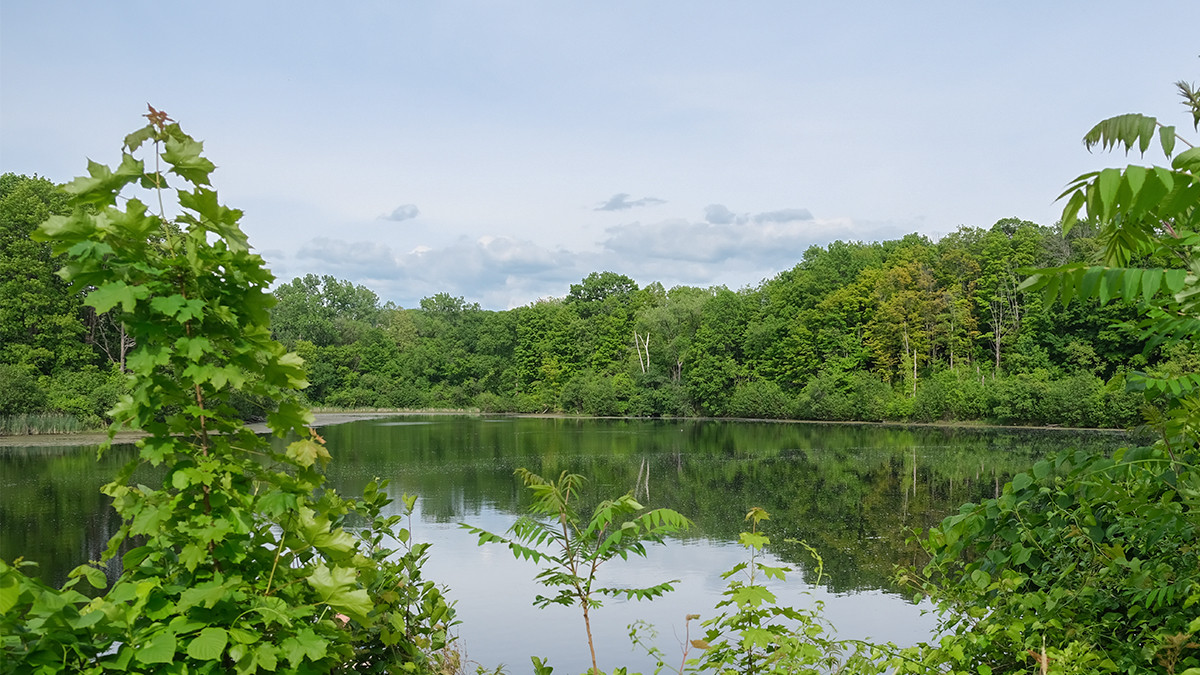
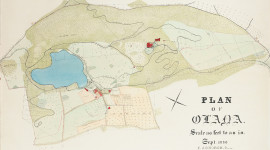
Located less than one mile east of the Hudson River, this undulating landscape encompasses approximately 247 acres of varied terrain, with a pair of picturesque lakes (known as Wright and Bradley), roughly at its center and bisected by the east-west-oriented Piscawan Kill. As proposed in 1890 by the city’s park commission and authorized by the state legislature two years later, the park incorporated 90 acres of the municipality’s nineteenth-century waterworks. In 1917 the adjoining William Henry Frear estate was donated by members of the Frear family expanding the park an additional 22 acres.
Engaged by the city, landscape architect Charles Dowing Lay prepared a plan that was published in 1919. Establishing the park’s primary entrance along the park’s eastern edge along Oakwood Avenue, Lay laid out a network of curvilinear drives, framing the park’s two lakes. Throughout the park Lay proposed curvilinear pedestrian paths to connect irregularly shaped lawns separated by copses of trees.
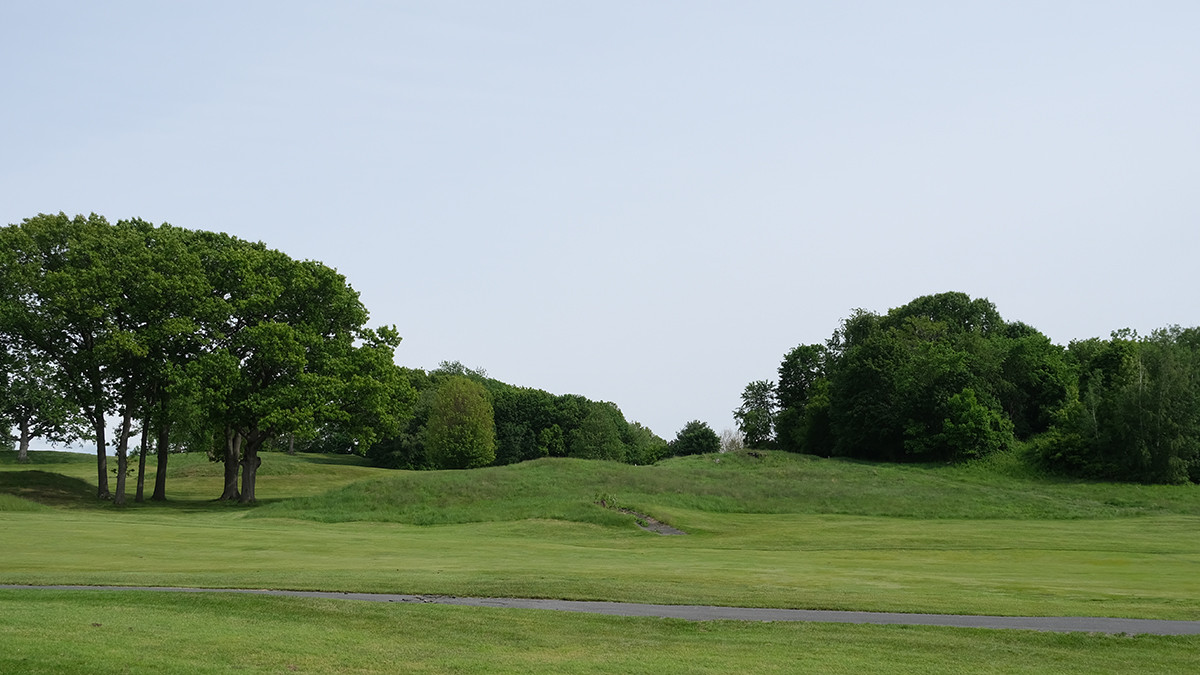
In the 1920s, additional acreage was added, and Arcadia, a brick pavilion—designed by architect Edward W. Loth—was erected northeast of Wright Lake. During the following decade John S. Melville designed a nine-hole golf course and in 1964 Robert Trent Jones, Sr., added nine holes. Oriented around the lakes, the course is characterized by expansive, rolling fairways edged by groves of deciduous trees. Additional park amenities include a hockey rink, tennis courts, and playgrounds.
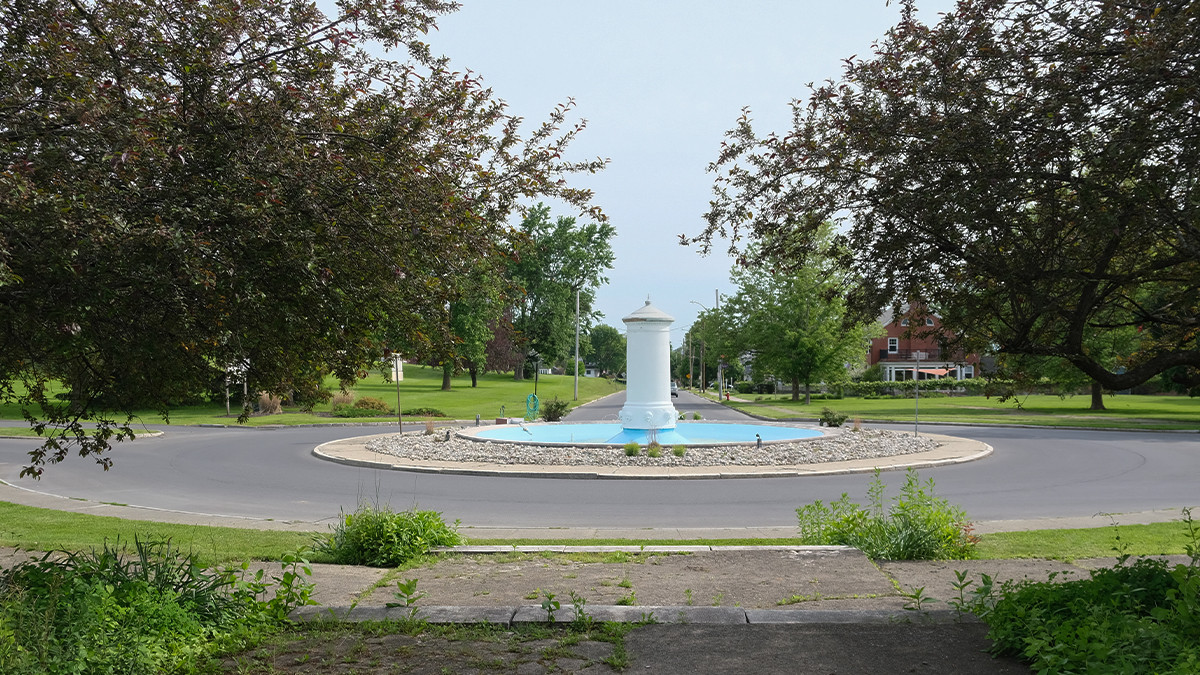
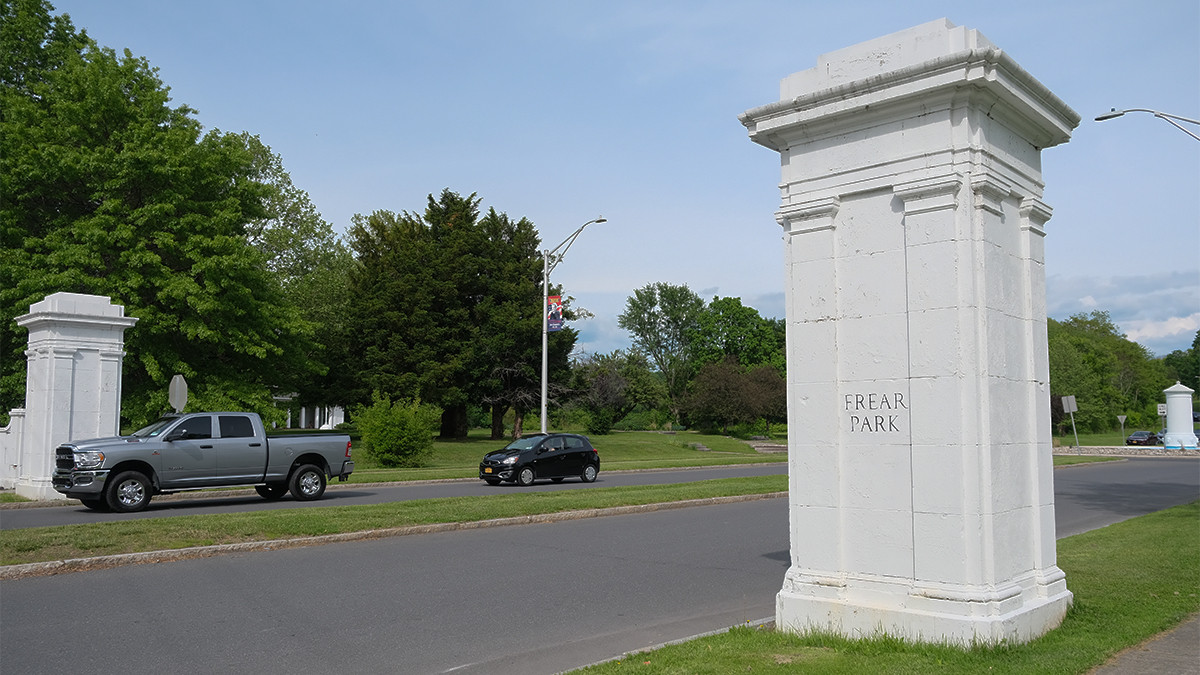
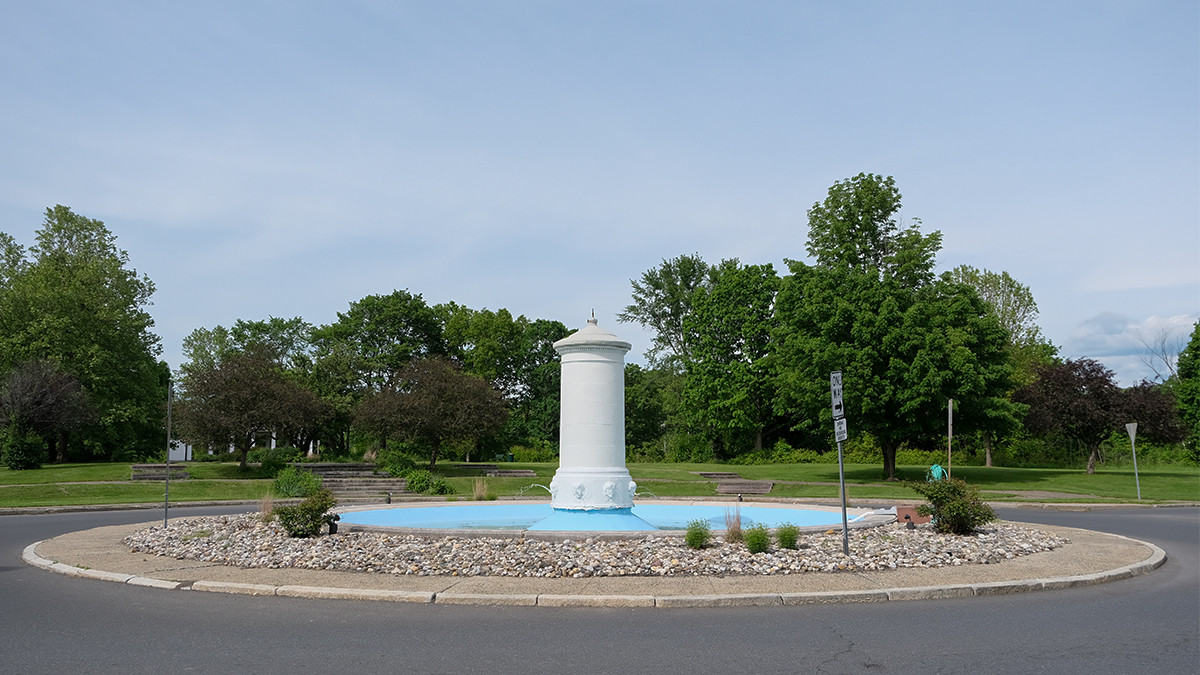
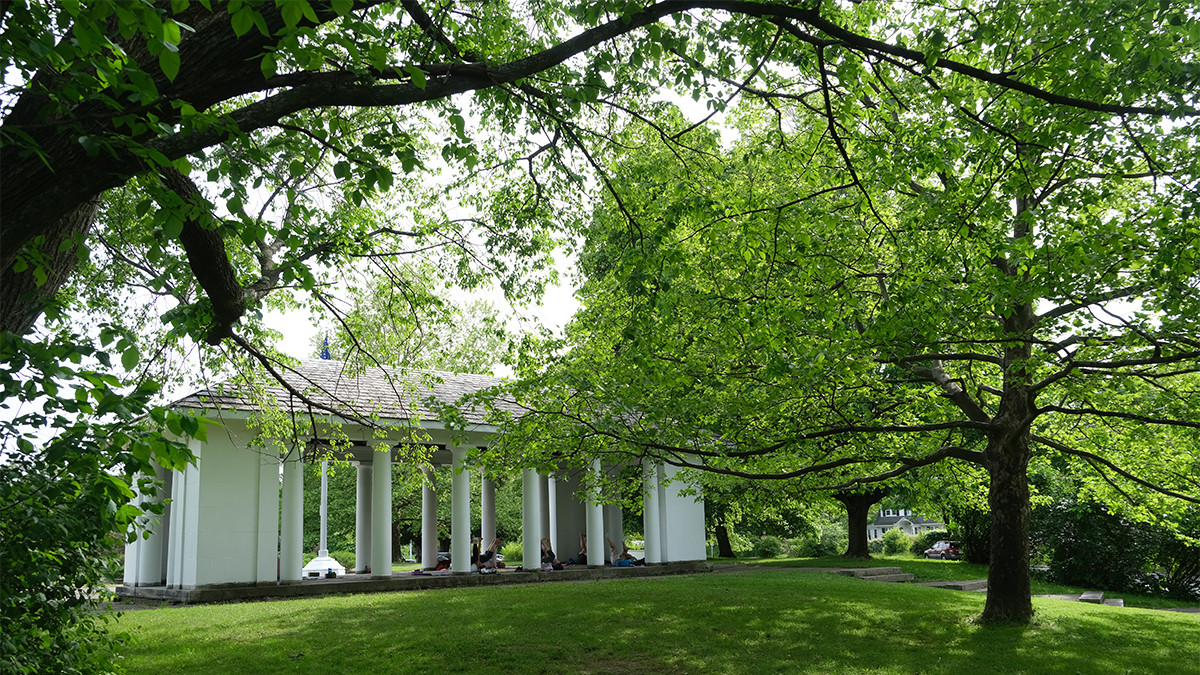
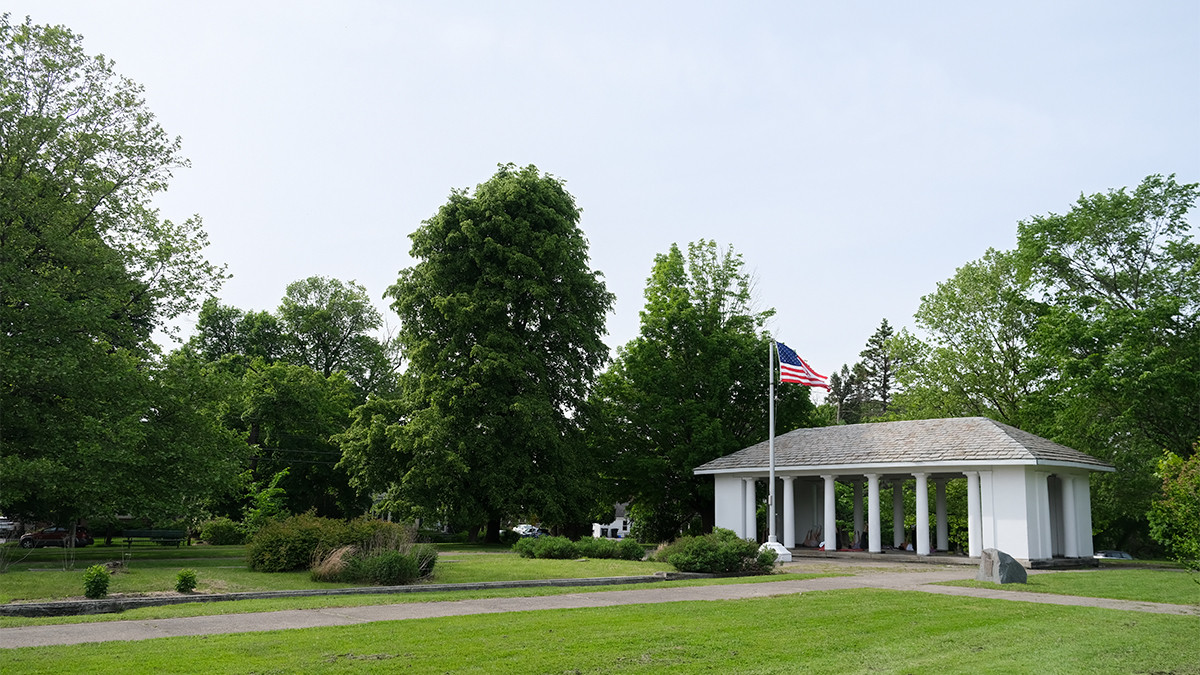
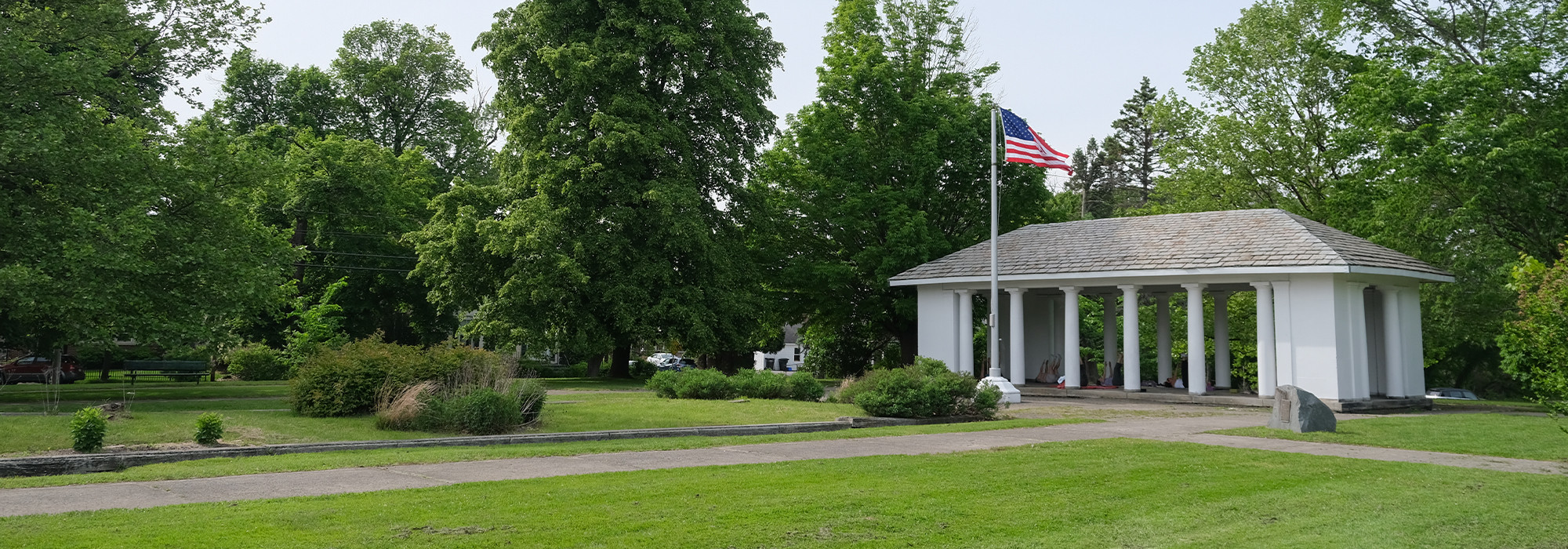
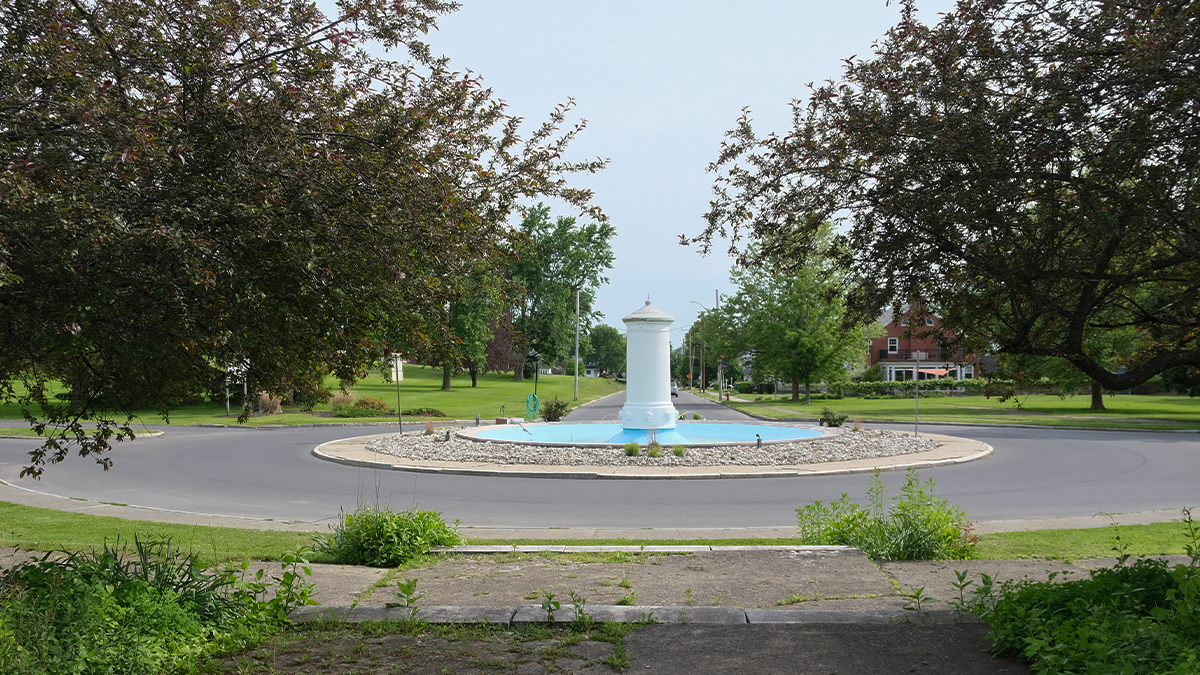
Today the park retains its historic entrance ensemble. The primary drive—flanked by rectangular, classical stone pillars and divided by a turf median—connects to a roundabout with a central, circular fountain (1924) and continues eastward toward the golf course. The fountain is on axis with a formal plaza to the north and 15th Street to the south, leading to a residential neighborhood. The Beaux-Arts plaza, with its symmetrical, linear paths and rectangular lawn panels, is oriented around a central turf bed (originally a reflecting pool), and is anchored by a flagpole and a Classical pavilion (1925).