Landslide Update: Boundary Waters Canoe Area Wilderness
The twenty-year fight about whether mining would be allowed next to Minnesota’s 1.1-million-acre Boundary Waters Canoe Area Wilderness took a sharp turn on April 16, 2026, when the U.S. Senate voted 50-49 to effectively allow mining activities to proceed. This overturned an action signed into law on January 30, 2023, to suspend federal mining leases for two decades.
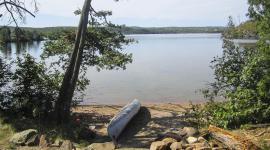
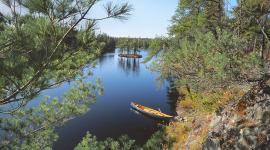
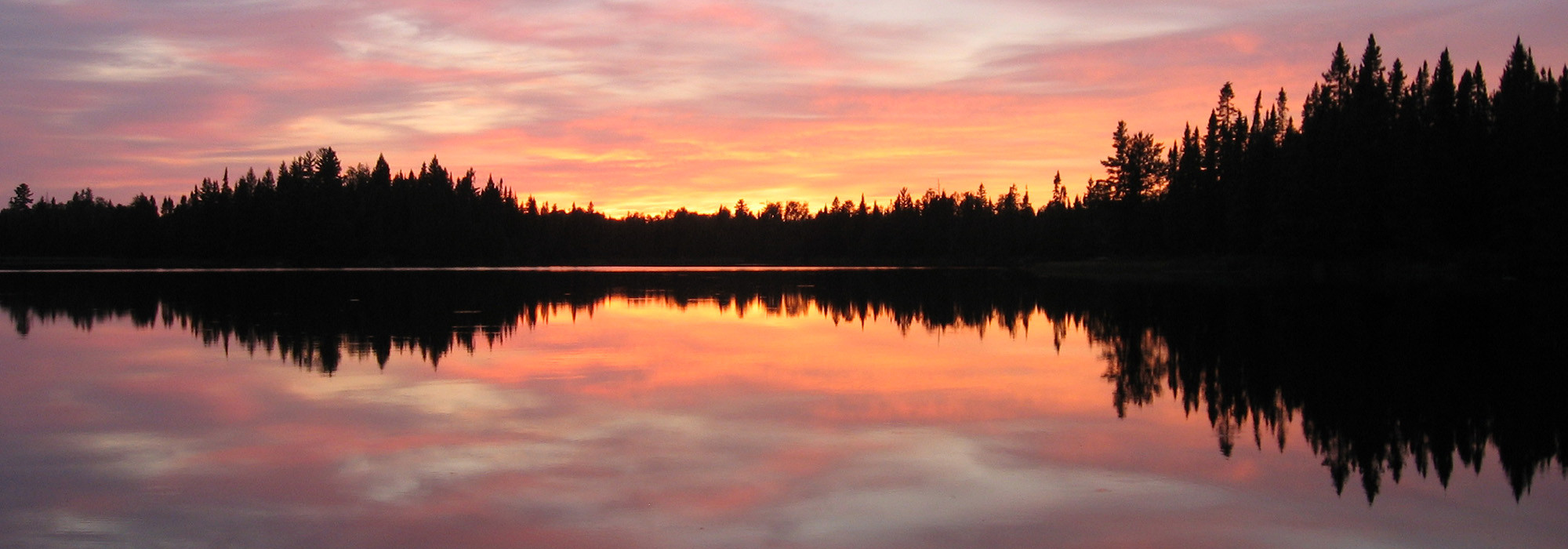
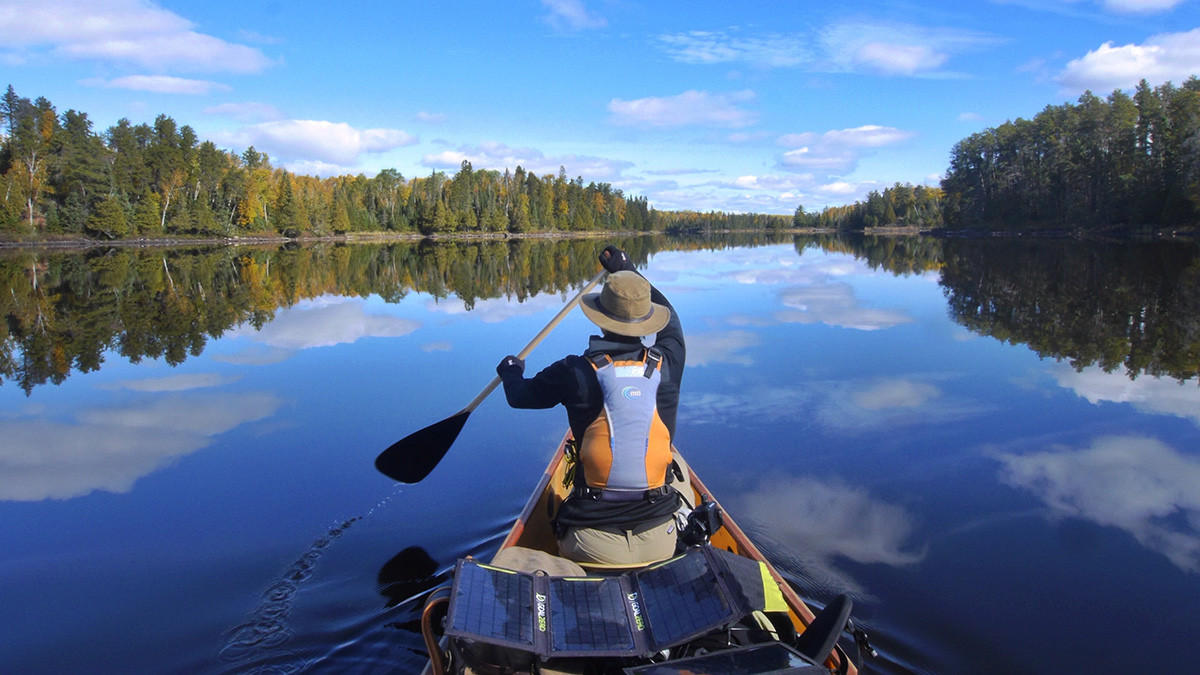
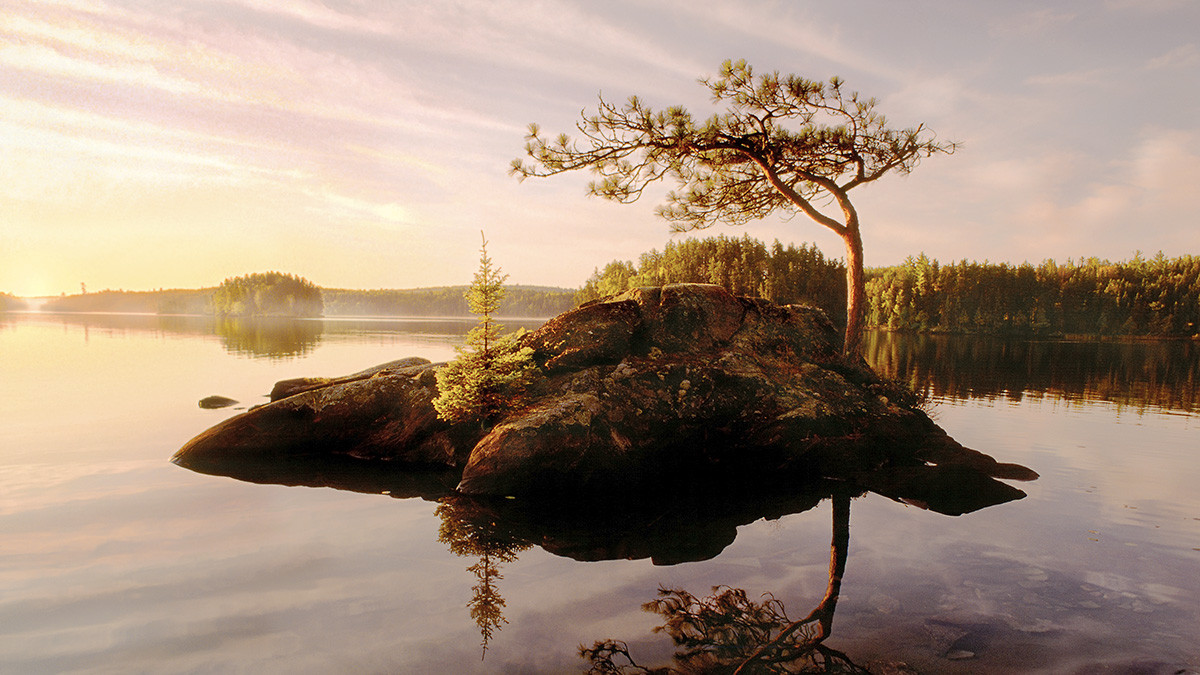
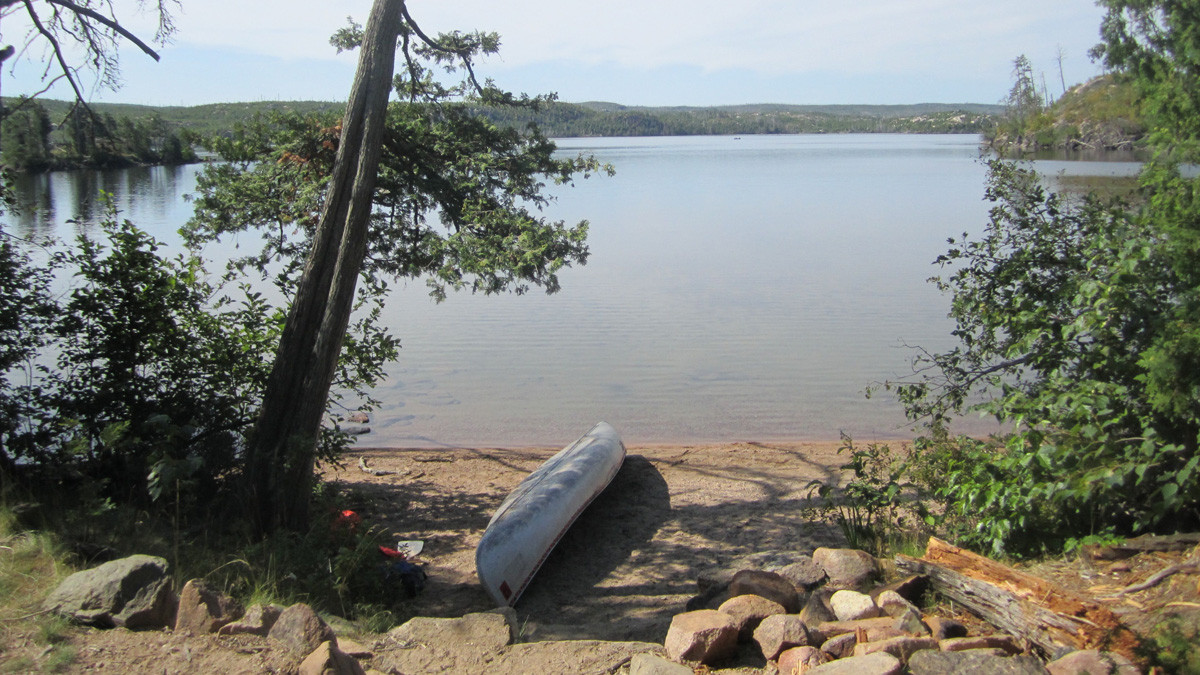
Boundary Water’s unspoiled forests and clean water were incorporated into the Superior National Forest by President Theodore Roosevelt in 1909 and has been managed by the U.S. Forest Service ever since. In 1964, under the Wilderness Act, the U.S. Congress formally designated the site as the Boundary Waters Canoe Area Wilderness. Its landscape comprises more than 1,175 lakes and over one thousand miles of rivers and streams and extends nearly 200 miles along northeastern Minnesota’s border, which is shared with Canada’s Quetico Provincial Park. Each year since it was established, Boundary Waters is consistently one of America’s most visited wilderness areas.
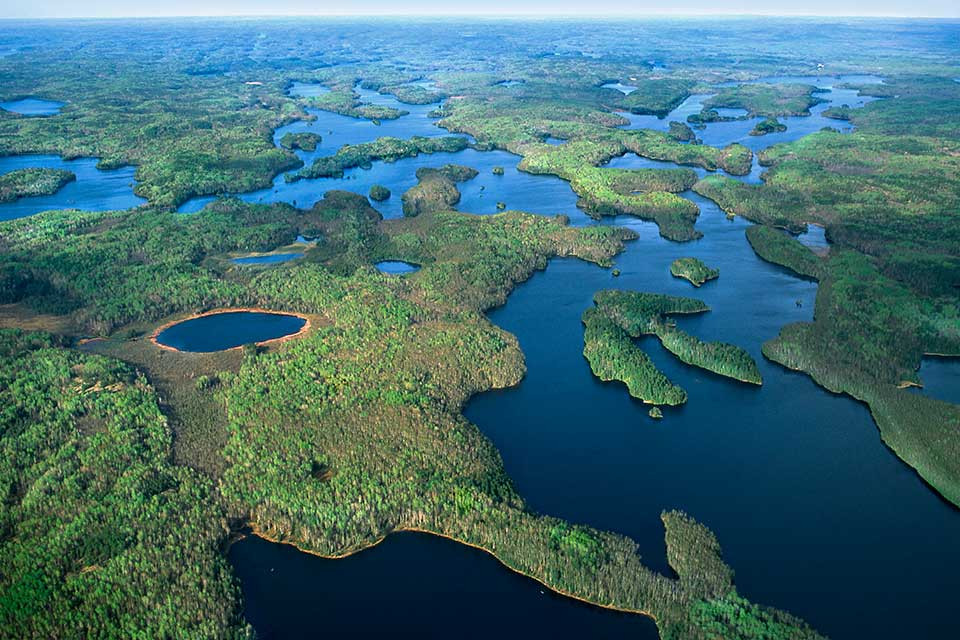
Due to the copper, nickel, cobalt, and platinum group mineral-rich land of the Upper Midwest, plans to mine the region began circulating as early as 2006. At that time, several international mining companies began exploratory drilling in an ore body known as the Duluth Complex, which is situated adjacent to and underneath eastern portions of Boundary Waters. Concerned about the negative ramifications that extensive sulfide-ore mining could have on the wilderness reserve—including the leaching of toxic metals into the water—the State of Minnesota and the U.S. Forest Service withheld approval of any mining leases in the surrounding region.
In 2016 the Forest Service applied to the Department of the Interior and the Bureau of Land Management (BLM) requesting that 234,328 acres of Superior National Forest lands and minerals in the watershed be withdrawn from any federal mining leasing program for twenty years.
Because of the threat, The Cultural Landscape Foundation (TCLF) included the site in the thematic report and digital exhibition Landslide 2017: Open Season on Open Space. At the time, TCLF encouraged concerned citizens to contact the Secretaries of Interior and Agriculture, then-Governor Mark Dayton, and other representatives, and to support the work of Save the Boundary Waters—a coalition of more than 300 organizations advocating for the site’s protection.
The January 2023 law was seen as a major victory. However, the change of presidential administrations saw a change of priorities and values. On January 12, 2026, Congressman Peter Stauber and four co-sponsors introduced a measure, House Joint Resolution 140, into the House of Representatives that would undo the law signed just three years earlier and block similar protections from being enacted by future administrations. Remarkably the resolution passed the House less than two weeks later on January 21 in a 214-208 vote. Less than four months later it was approved by the Senate in the razor thin 50-49 vote; it was signed by the president on April 27. While the measure would not legalize any mining within Boundary Waters, it would enable companies like the Chilean-owned Twin Metals to once again pursue mining near the site.
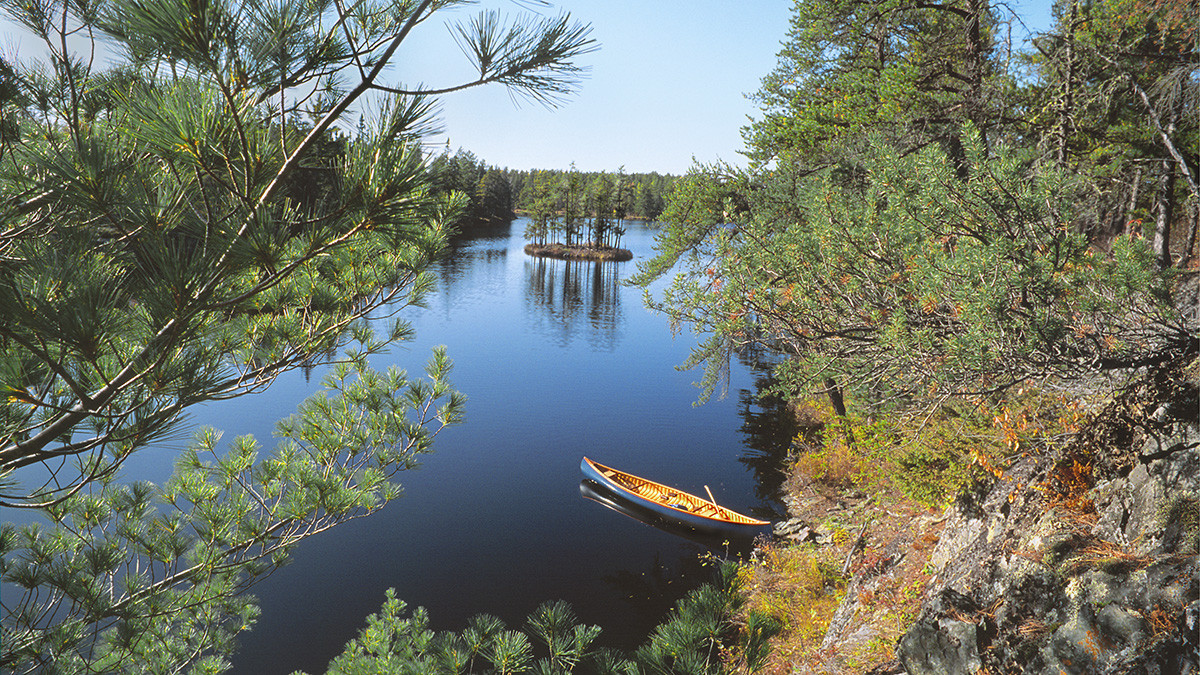
At issue is the mining of sulfide ore which is associated with a high risk of leaching toxic sulfuric acid, heavy metals, and sulfates into the rivers, lakes, and groundwater of Boundary Waters. Furthermore, because the water in this region flows south to north, any potential spills from the mines or toxins leaking into the waters, could have adverse effects on shared watersheds, such as Canada’s adjacent Quetico Provincial Park, Lake of the Woods, and Hudson Bay.
All is not lost, though. Companies looking to set up mining operations in the region will still need to submit applications to the Minnesota Department of Natural Resources, which has the power to accept or reject their bids. Furthermore, an effort is underway in the Minnesota Legislature to pass bills to safeguard Boundary Waters.
TCLF continues to support these measures, and recommends that concerned citizens continue get involved by supporting the work of Save the Boundary Waters and, for Minnesotans, contacting State officials to advocate for the passage of the Boundary Waters Permanent Protection bill (H.F 309 and S.F 875).