Landslide Update: Chickasaw Park
On November 5, 2025, the Louisville, Kentucky-based Olmsted Parks Conservancy announced the receipt of an anonymous and transformational gift—a $5 million donation. The funds will go toward rehabilitating the National Registerؘ–designated Chickasaw Park, which spans 61 acres along the eastern shore of the Ohio River. The park was designed by Olmsted Brothers in 1923, and is believed to be the only municipal park designed by the firm to exclusively serve African Americans during the period of segregation. The park was included in the report and digital exhibition by The Cultural Landscape Foundation (TCLF), Landslide 2021: Race and Space, which featured thirteen threatened sites across eleven states and spanning almost a millennium of history—from a Cherokee mound site built nearly 1,000 years ago to the modern urban landscapes of Chicago, Milwaukee, and New York.
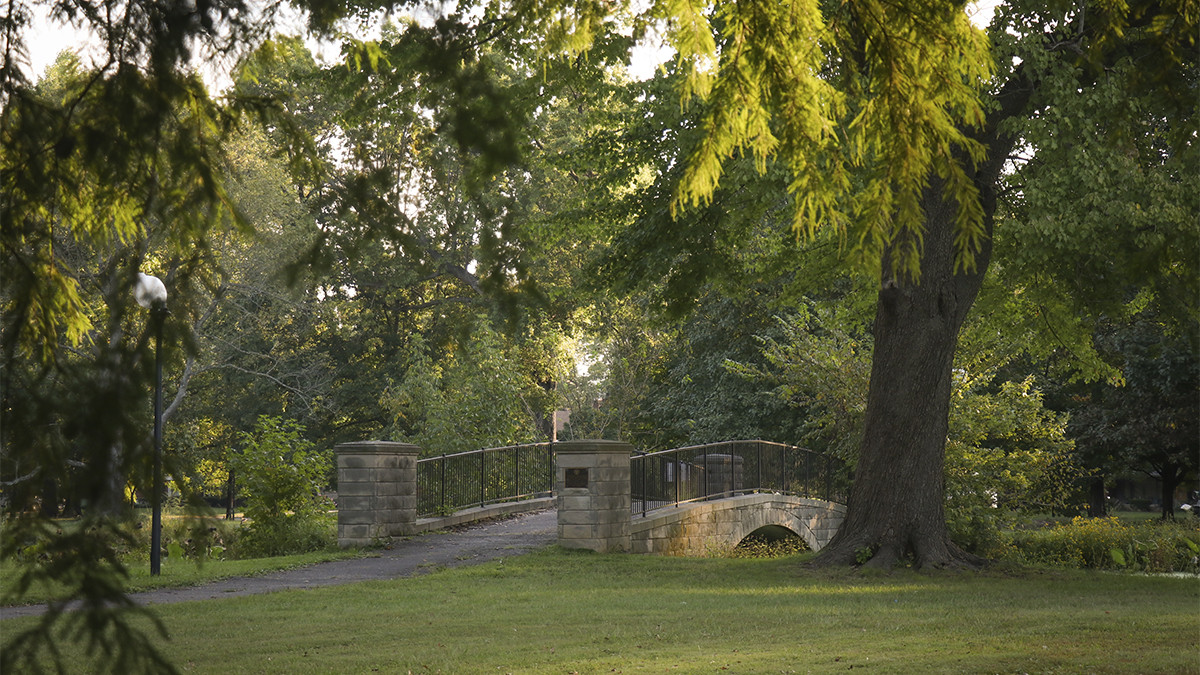
Chickasaw Park is part of the Louisville Park and Parkways System, the creation of which stems from an address in 1891 to the Salmagundi Club by Frederick Law Olmsted, Sr. The park system is composed of three large parks along the city’s perimeter—Iroquois, Cherokee, and Shawnee Parks—and also a network of six parkways and fifteen smaller parks and squares distributed across the city. The Olmsted Brothers plan of 1923 for one of the neighborhood parks, Chickasaw Park, was fully implemented by 1930.
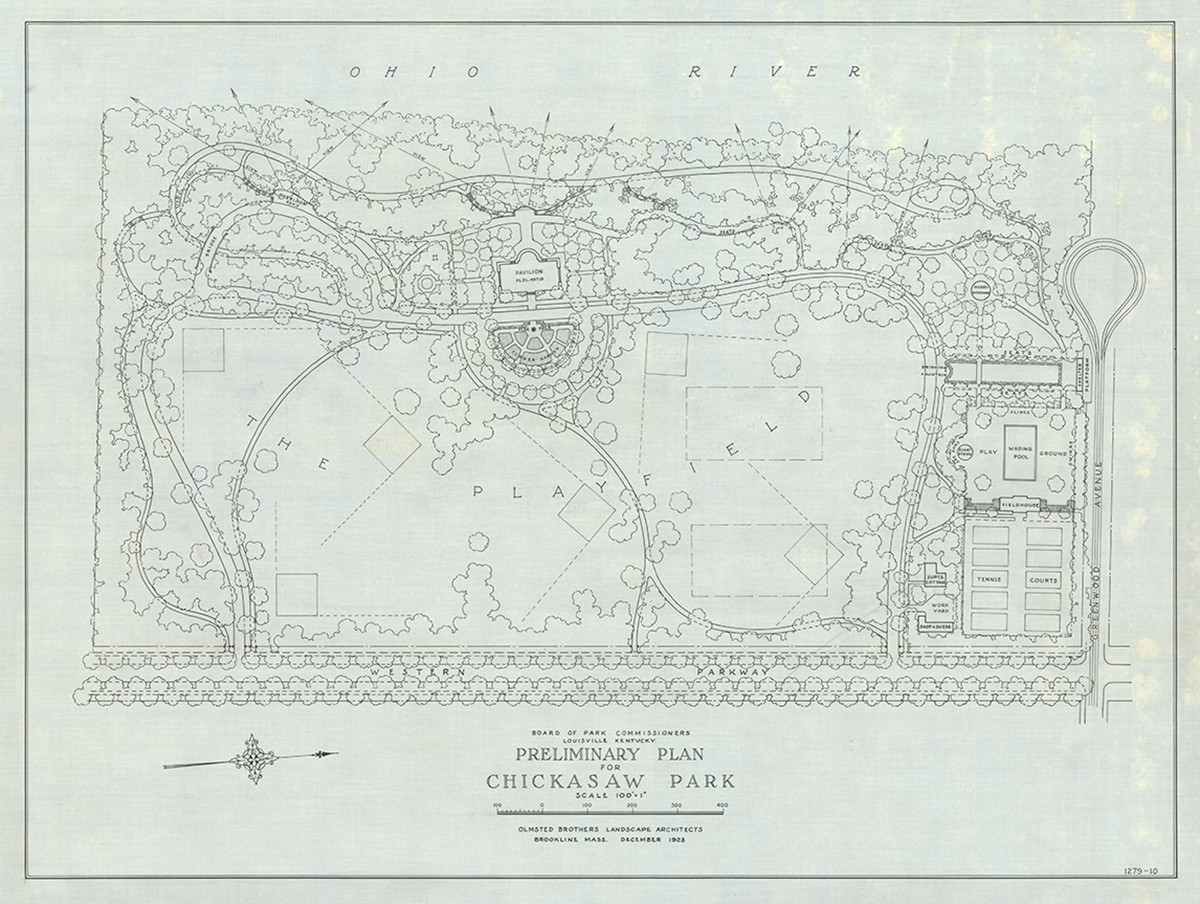
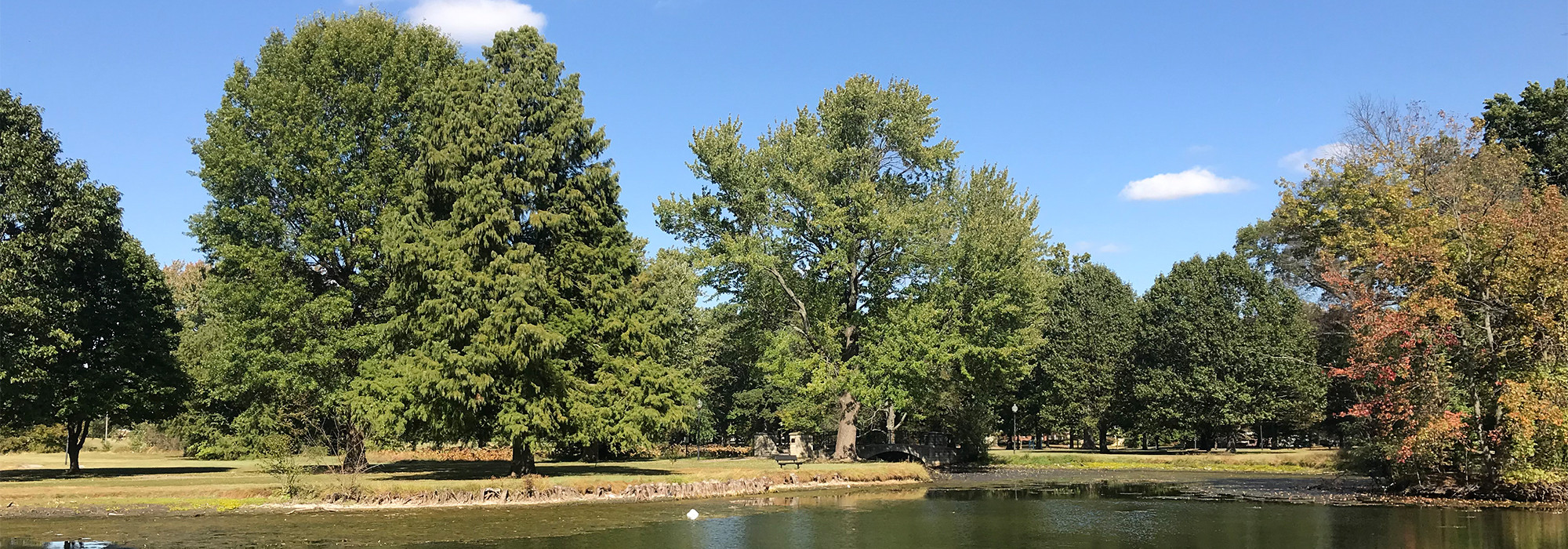
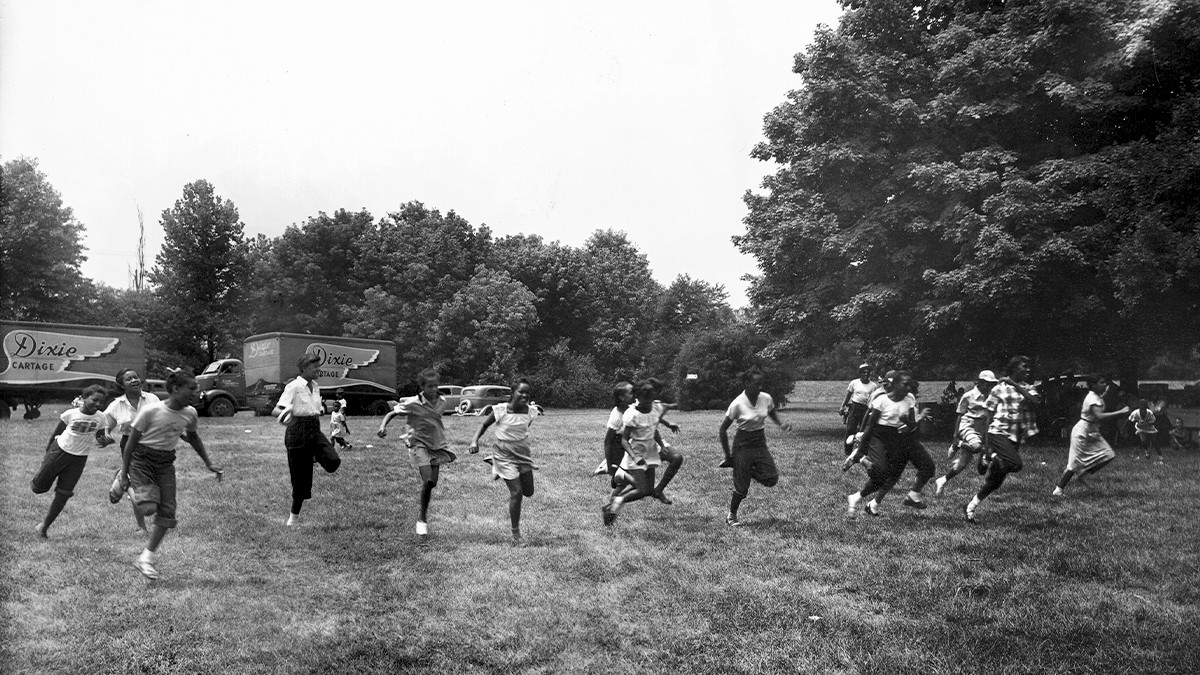
Built on land that was once part of Spring Bank Park, the estate of burlesque theater manager and Louisville political boss John Henry Whallen, the park’s design includes a fishing pond, splash pad, picnic areas, playgrounds, ballfields, and clay tennis courts, connected by winding footpaths. The landscape is populated by red-cedar Cypress and white pines, characteristic of the Olmsted firm plant palette recommendations throughout the park system. Chickasaw Park became a fixture of the African American community and fostered a strong athletic culture, producing such athletes as Muhammad Ali, and hosting sporting exhibitions, including the Mid-Max Tennis Tournament in the 1940s, in which African American professional tennis player Althea Gibson competed. The park was listed in the National Register of Historic Places in 1982.
TCLF enrolled the park as a Landslide site because of threats to the cultural landscape’s integrity, including erosion and the loss of viewsheds along the park’s Ohio River corridor; contaminants found in the fishpond; and issues stemming from nearly a century of deferred or diminished maintenance and neglect by the city.
The Olmsted Parks Conservancy was established in 1989 to preserve, rehabilitate and restore the Olmsted design legacy in the city. In an announcement following the recent donation, Mary Grissom, the Conservancy’s president and CEO, said that “This extraordinary gift ensues [sic] the restoration of Chickasaw Park as an honored place of respite, recreation, and gathering for Black Louisville while elevating its place as a cherished public landscape in the Olmsted tradition of beautiful, well designed, urban green space.”
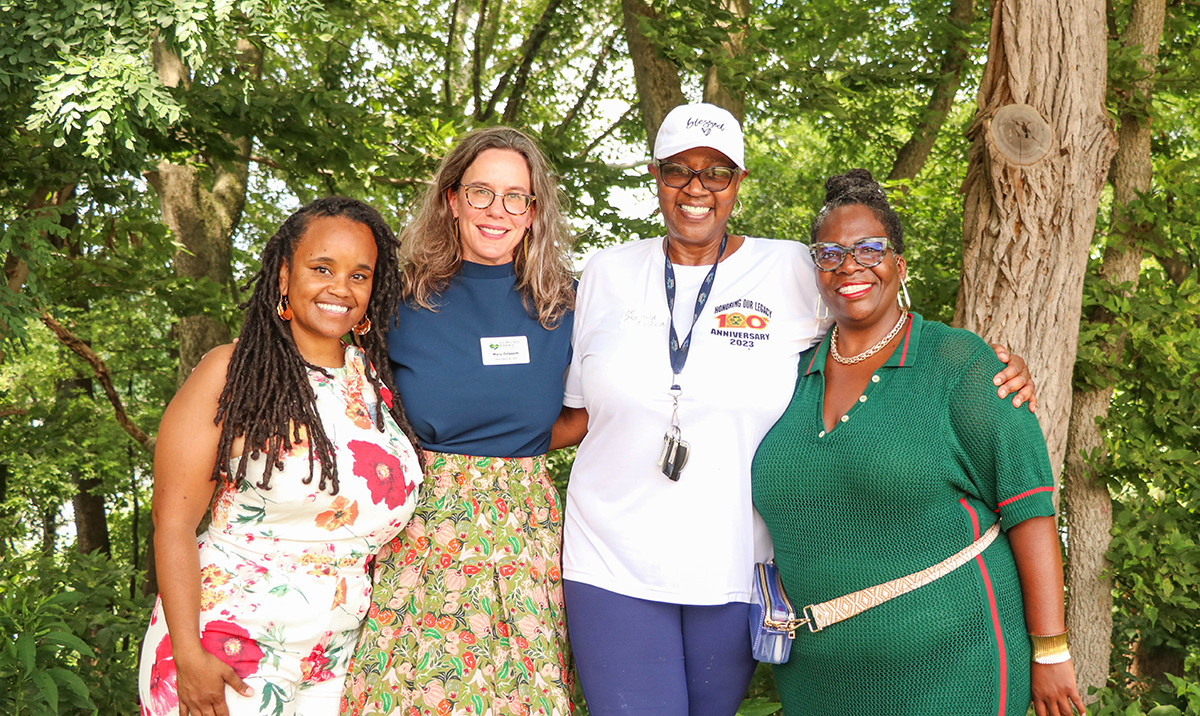
In pursuit of this goal, the Conservancy has established the Chickasaw Park Restoration Community Steering Committee, a group of local leaders and longtime park advocates to undertake community outreach and engagement as part of the broader rehabilitation efforts, which the Conservancy hopes to begin in early 2026.