Pioneer Information
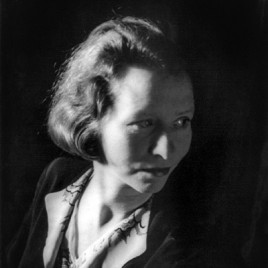
Born in Rockland, Maine in 1892, Millay was an accomplished poet and playwright and an amateur naturalist. She began writing poetry while attending Camden High School in Camden, Maine, and at the age of nineteen she wrote the poem “Renascence,” entering it in a poetry competition in The Lyric Year in 1912. Although she placed fourth in the competition, her poem captured national attention, including that of arts patron Caroline B. Dow, who was so impressed by Millay’s talent that she funded her attendance at Vassar College, where Millay earned an undergraduate degree in 1917. That same year she published her first volume of poetry, Renascence, and Other Poems. Millay subsequently moved to Greenwich Village, where she immersed herself in the burgeoning Jazz Age scene while publishing her poetry and plays. In 1921 she embarked on a two-year sojourn through Europe, during which time she wrote “The Ballad of the Harp Weaver,” a collection of sonnets that earned her the Pulitzer Prize for Poetry in 1923. That same year she moved back to New York and married Dutch businessman Eugen Jan Boissevain (1880–1949).
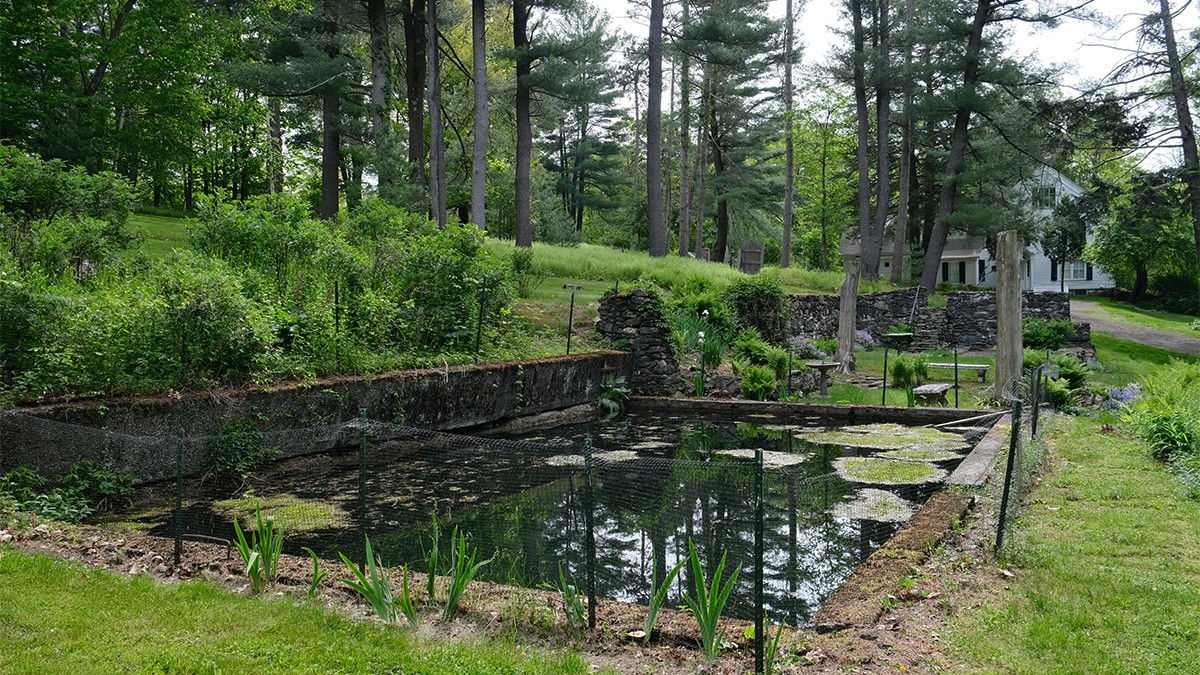
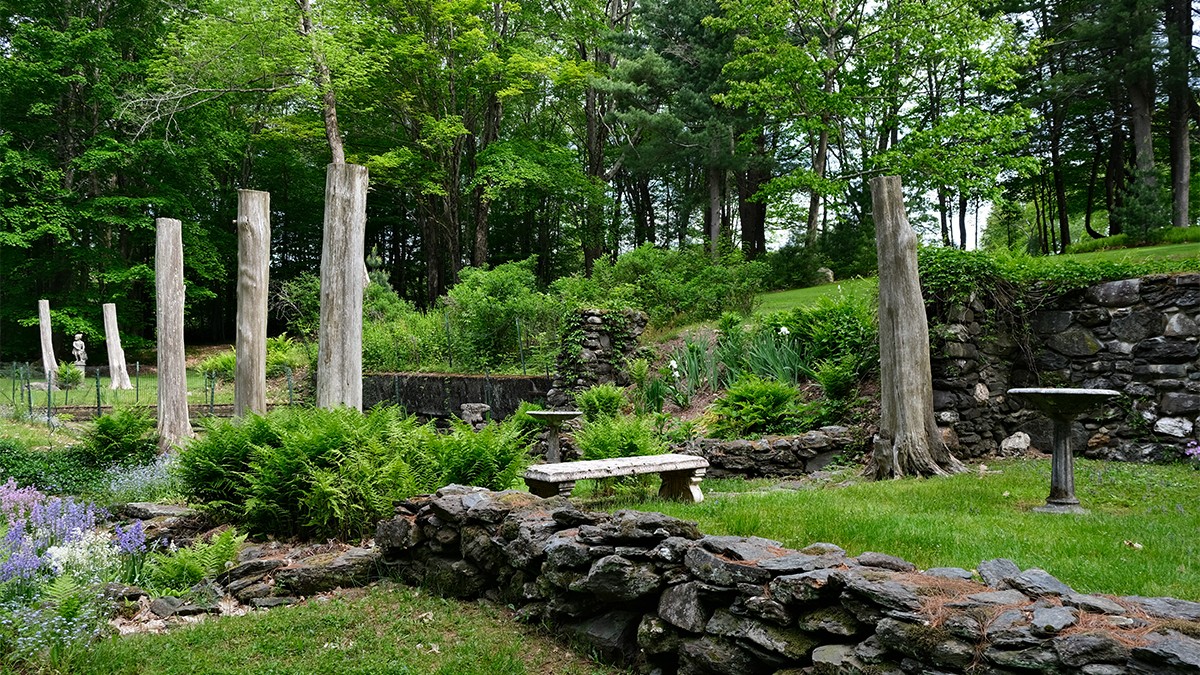
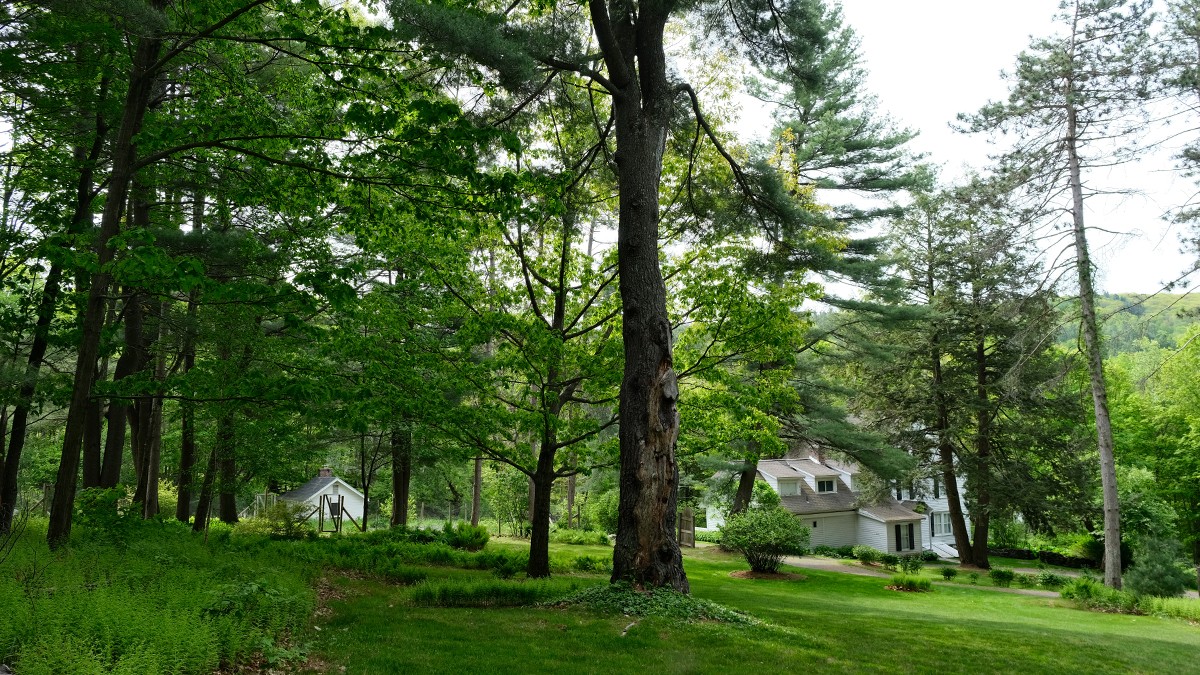
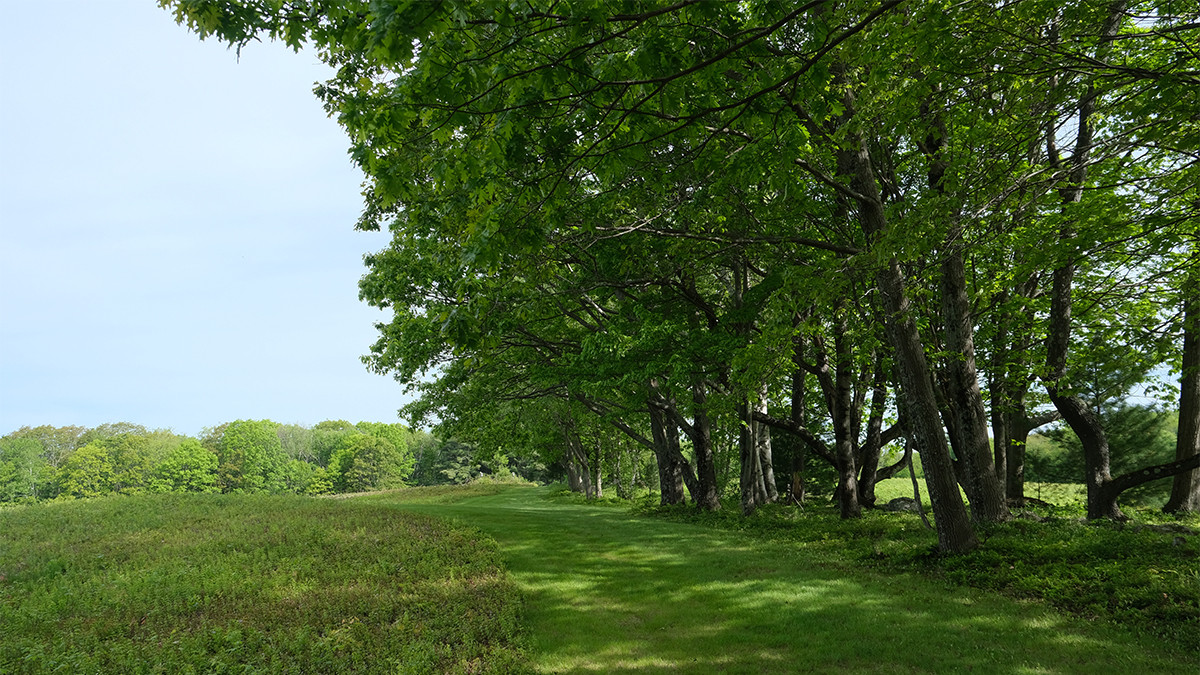
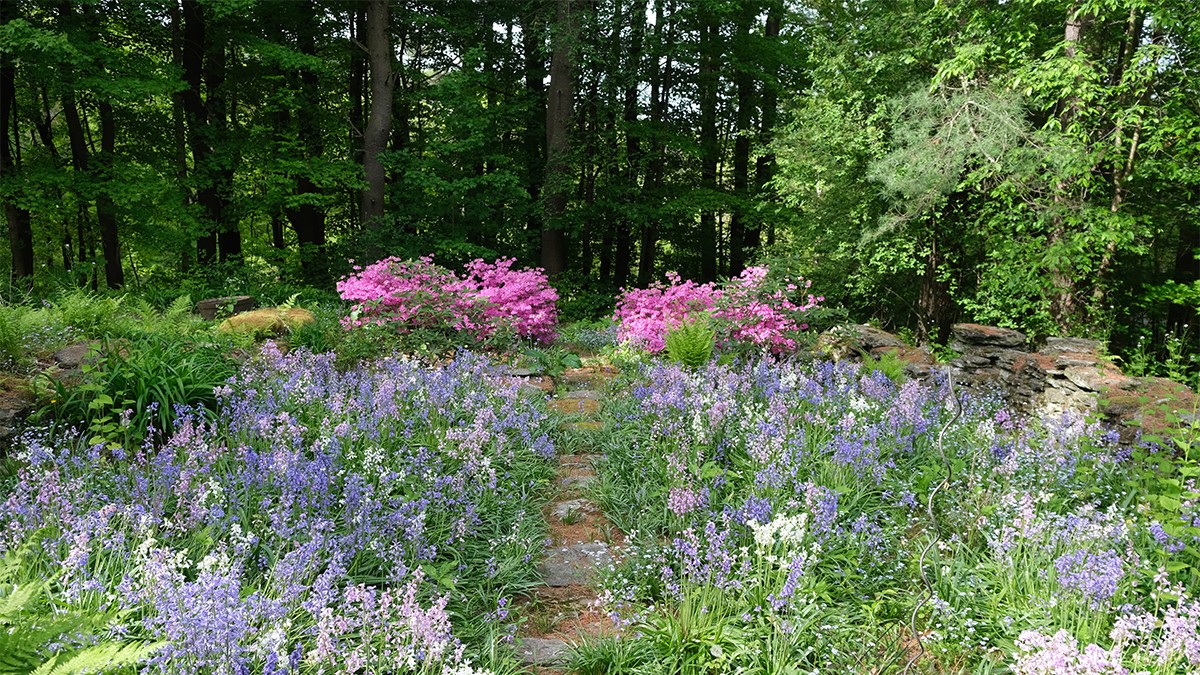
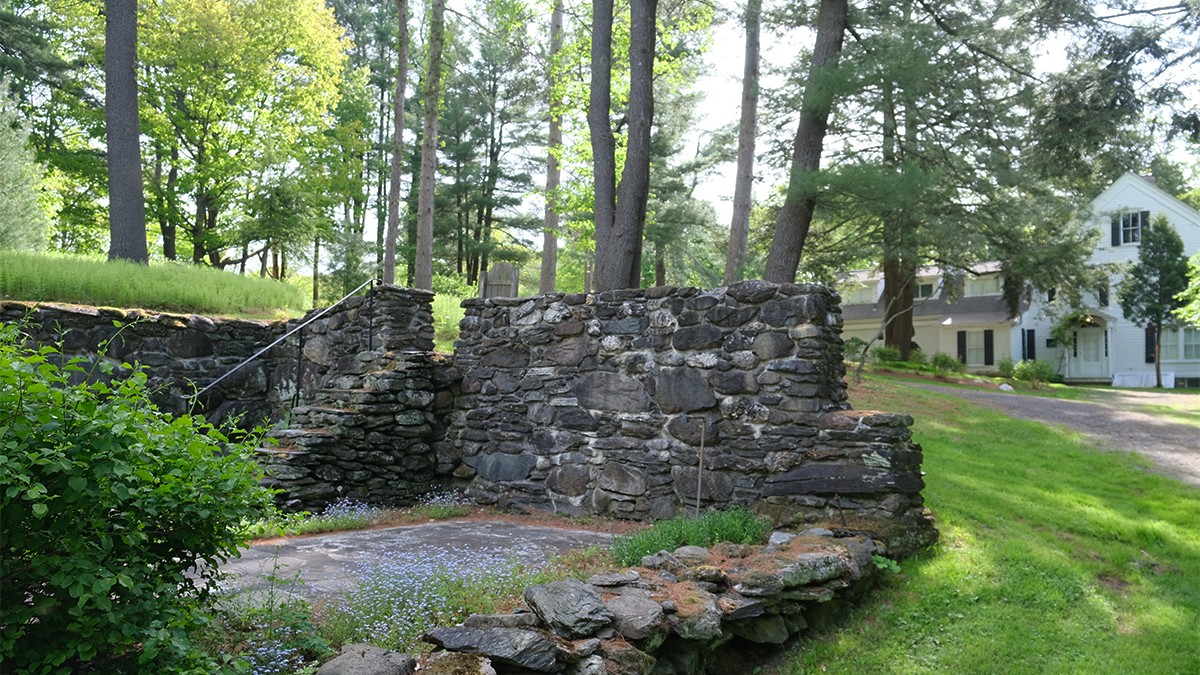
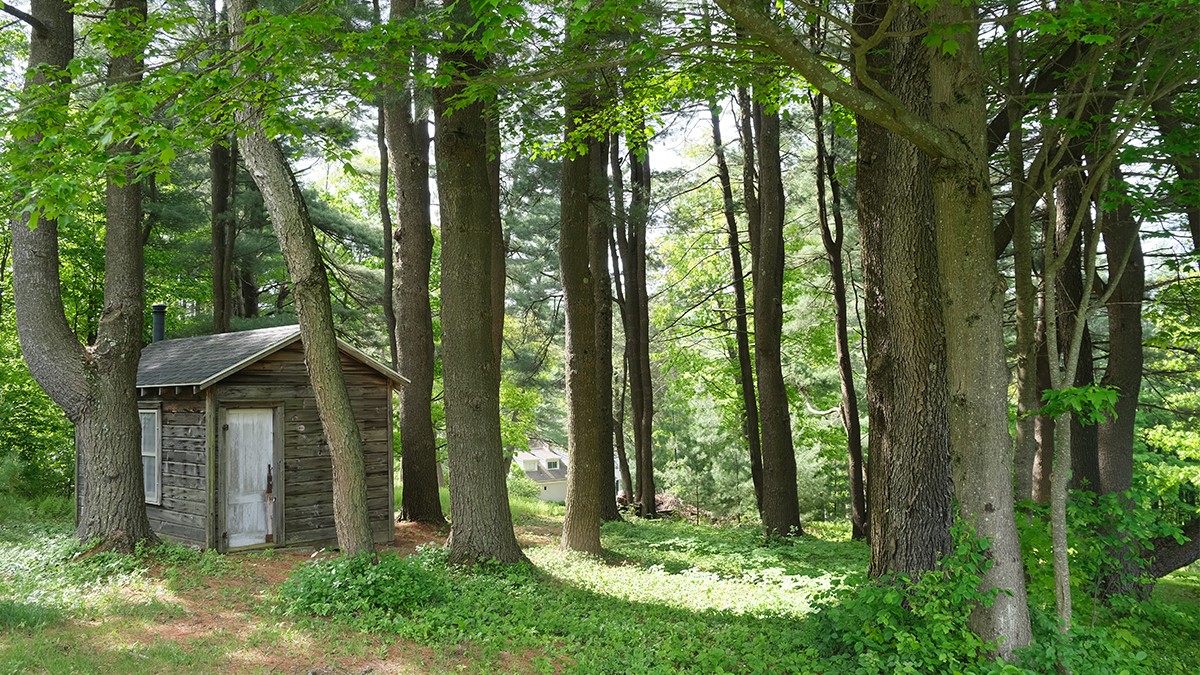
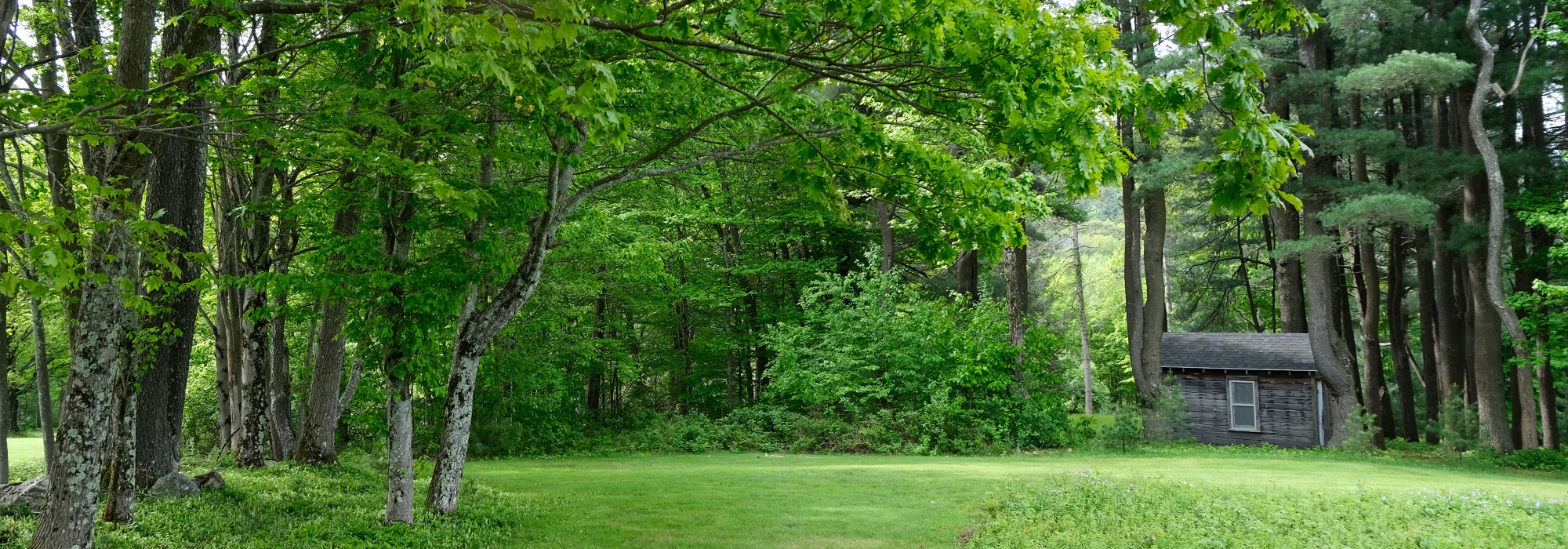
In 1925 the couple purchased a 615-acre farm in Austerlitz, New York that they named Steepletop. Millay and Boissevain operated the land as a working farm, growing blueberries, strawberries, currants, apples, and pears in the fields and orchards. Additionally, with the assistance of Boissevain’s nephew Frederick W. Boissevain, a landscape gardener in Long Island, New York, they utilized the stone ruins of a former barn’s foundation to design a series of gardens and outdoor “rooms.” Millay was dedicated to cultivating Steepletop’s herb, flower, and vegetable gardens, spending several hours each morning tending them before she began writing. She would also walk the meadows and woodlands of Steepletop, collecting different species of wildflowers to press and document in her journals. Millay’s love of nature was evident in her work, which often featured references to the flora and fauna of her surrounding landscape. Millay died at Steepletop when she was 58 years old and is buried on the property.