Pioneer Information
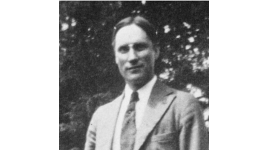
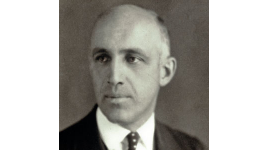
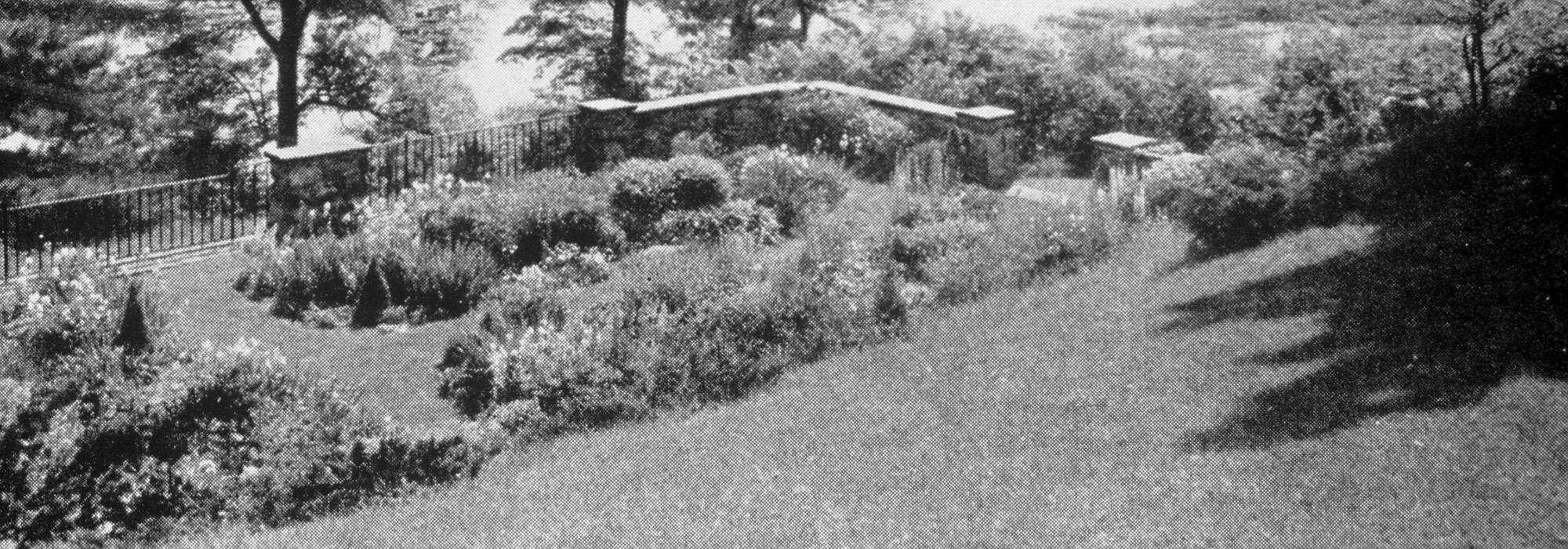
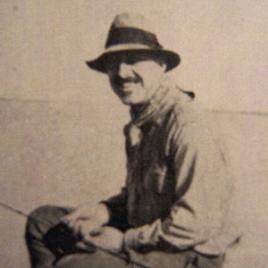
Raised in Chestnut Hill, Massachusetts, Lee received his education at the Berkshire School in Sheffield, Massachusetts, and Harvard University, from which he received a BA in 1917. He served in the military from 1917–1919, assigned to the Infantry in the Argonne, returning to France in 1920 to work with the Harvard Reconstruction Unit, publishing an account of his experiences in Landscape Architecture magazine the following year. In 1921 Lee also earned a master’s degree from Harvard’s Graduate School of Landscape Architecture (now Harvard Graduate School of Design). After graduation he became an associate, and later a partner, of landscape architect Harold Hill Blossom until 1927. Lee then partnered with Hallam L. Movius, with a practice in New York and Boston that specialized in residential designs for a wealthy clients. The two also worked on a master plan for the Berkshire School in the early 1930s. Lee prepared designs for a “Small House Project” for Better Homes and Gardens (1933), and at approximately the same time, worked on public housing plans in Washington, D.C.
From 1929 to 1931 Lee published a series of articles in The Sportsman describing the estates of notable American sport enthusiasts from the Northeast to South Carolina. He also possessed an interest in Japanese garden design—likely inspired by travel to that country, as well as China, in 1916 and 1917—lecturing widely on this topic. In 1935 Lee published Japanese Gardens: Their History, Sources of Inspiration and Value to Western Gardening Art.
When World War II began, he returned to the Army, serving as a major in Military Intelligence. As he was fluent in French, Lee was stationed in Paris and Belgium. Upon his return, he retired from private practice, splitting his time between Lake Champlain and South Carolina until he passed away at the age of 59.