
Pioneer Information
Born in Tillsonburg, Ontario, Canada, Williams studied civil engineering at the University of Toronto from 1910 to 1911. In the next decade, he worked as an engineer for the Canadian Northern Railway, managed 300 acres of cropland, and, by 1922, served as head of farm operations for Massey-Harris Farm Machinery (now Massey Ferguson).
Returning to school, Williams received a BSA in horticulture from the Ontario Agricultural College in Guelph (1925) and an MLA in city planning from Harvard’s School of Design (1928, now Graduate School of Design). Upon graduation, supported by a year-long fellowship, he studied landscape design in Europe and North Africa before joining the faculty at Harvard in 1930.
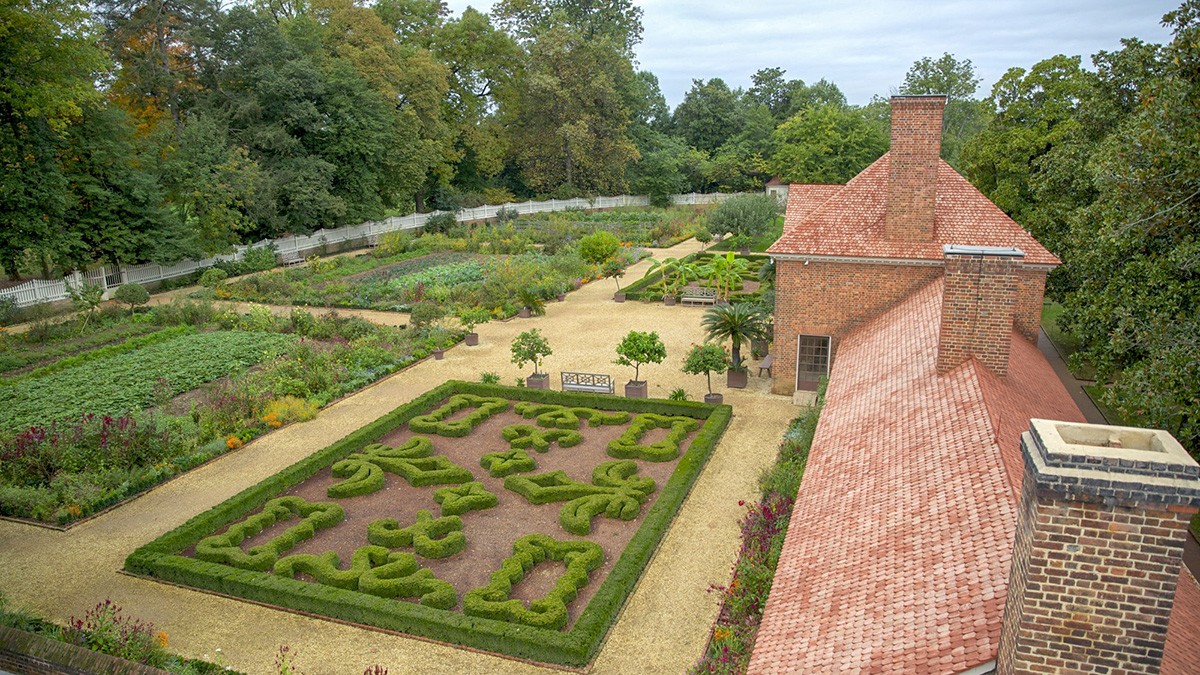
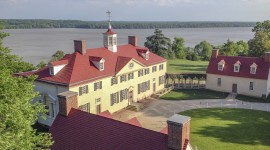
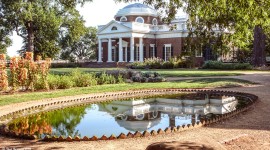
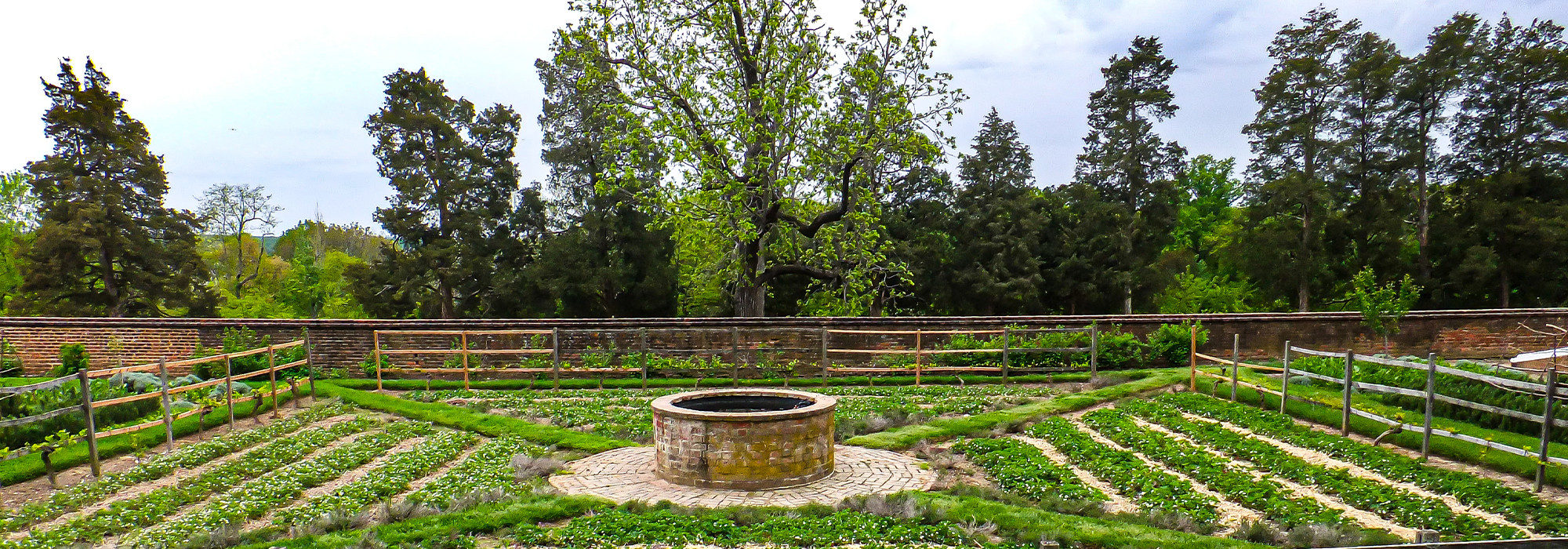
In 1931 Williams received a grant from the Clark Fund for Research in Landscape Design to document historic plantations in Maryland and Virginia, including Gunston Hall, Woodlawn, and Mount Vernon. The following year he conducted a survey of Monticello’s landscape and also researched Stratford Hall. At the latter, accompanied by field assistant Charles Coatsworth "C. C." Pinkney, Williams identified the original approach to the mansion and also features of the east garden. They continued to work together on “God’s Acre” in Harvard Square (1934). The following year Williams “restored” Mount Vernon’s kitchen garden, and, engaged by Olmsted Brothers, researched the history of the grounds of the White House. In 1936 Williams resigned from Harvard to serve for three-years as Mount Vernon’s director of research and restoration.
Williams operated a practice with his wife, architect Nathalia Ulman, from 1941 to 1947. He subsequently joined the faculty of North Carolina State College School of Architecture and Landscape Design (now North Carolina State University School of Design), soon becoming head of the landscape architecture department. Within five years, he left academia to pursue the development of Tryon Palace in New Bern, North Carolina, designing and supervising construction of its gardens. Never fully retiring, Williams continued to rehabilitate historic properties, including the Samuel Smallwood House in New Bern.