Landscape Information
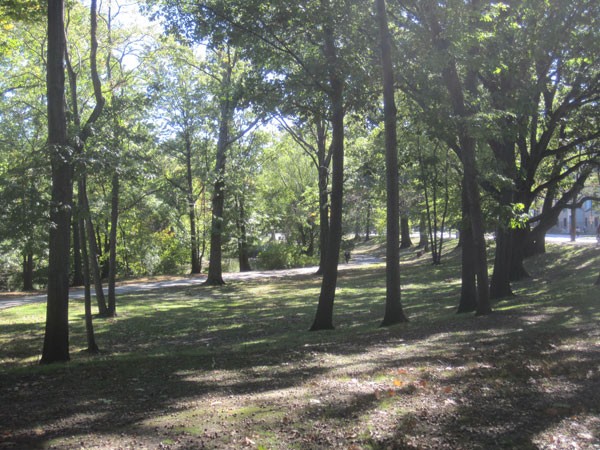
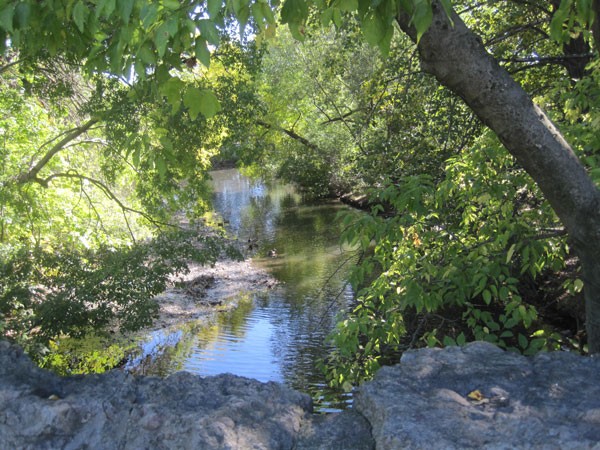
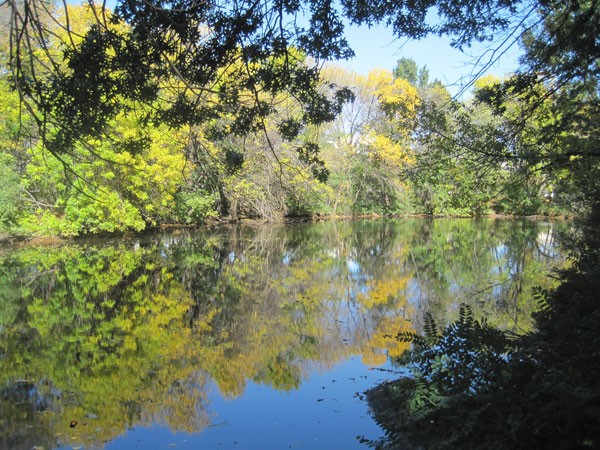
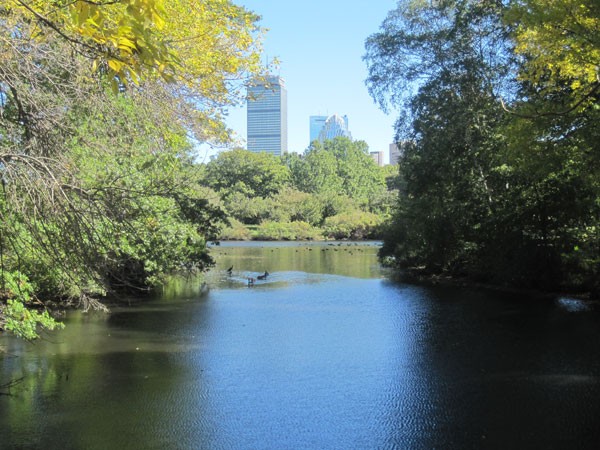
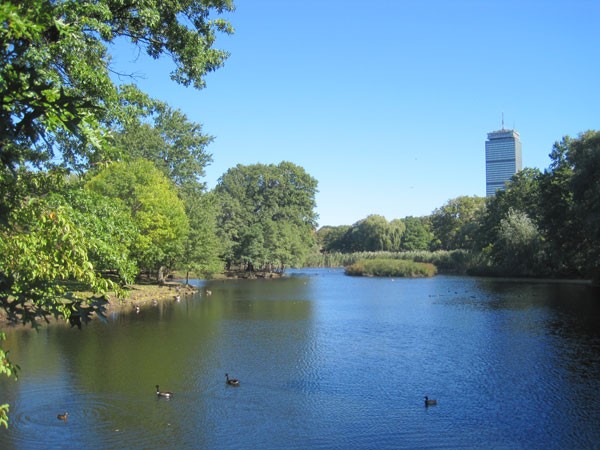
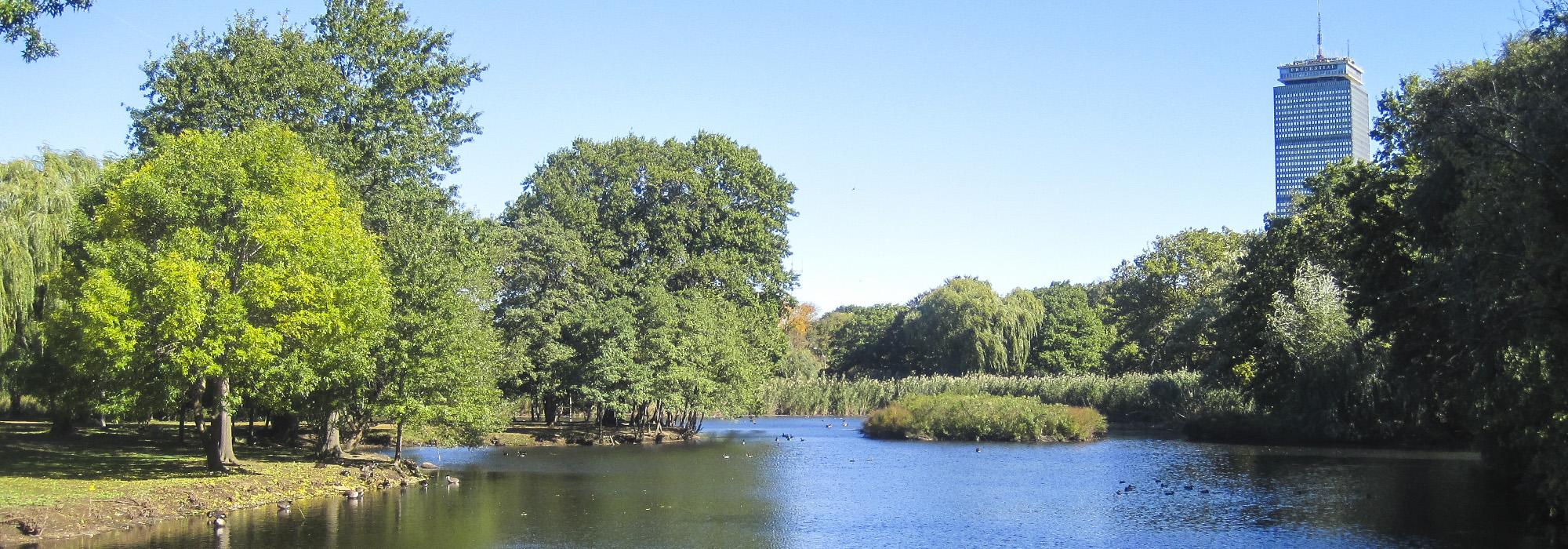
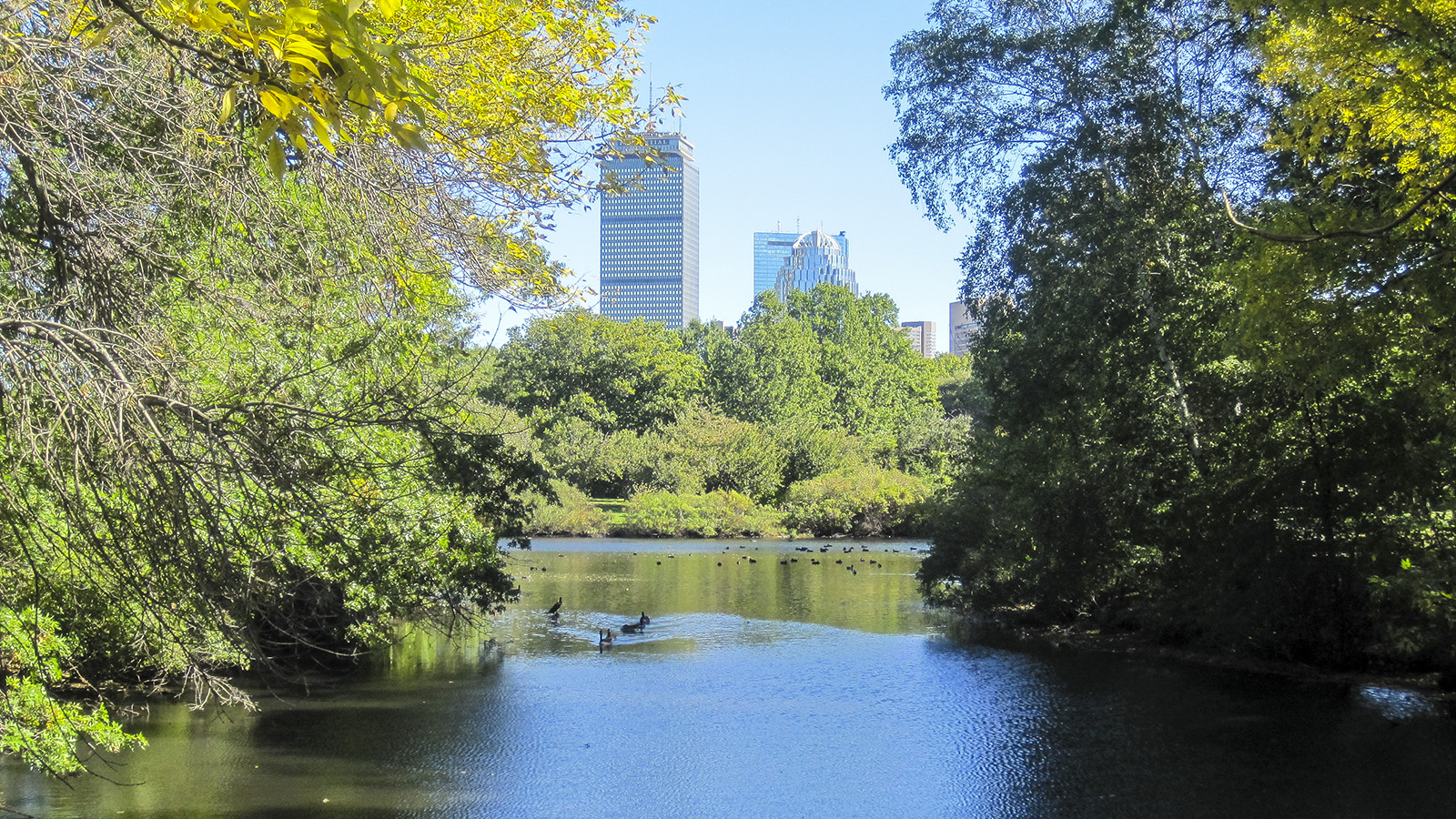
Located south of the Charles River, this approximately 100-acre park is a part of the Emerald Necklace park system. Initially called Back Bay Park, it was renamed to reflect the vision of Frederick Law Olmsted, Sr., for a restored saltwater marsh. Through his 1879 plan, Olmsted called for passages of Picturesque scenery through an ecologically performative wetland able to absorb flood waters. Realized with assistance from John Charles Olmsted, the plan provided a solution for the ever-increasing sewage outfalls from the burgeoning city population, while also creating a retention area during periods of flood.
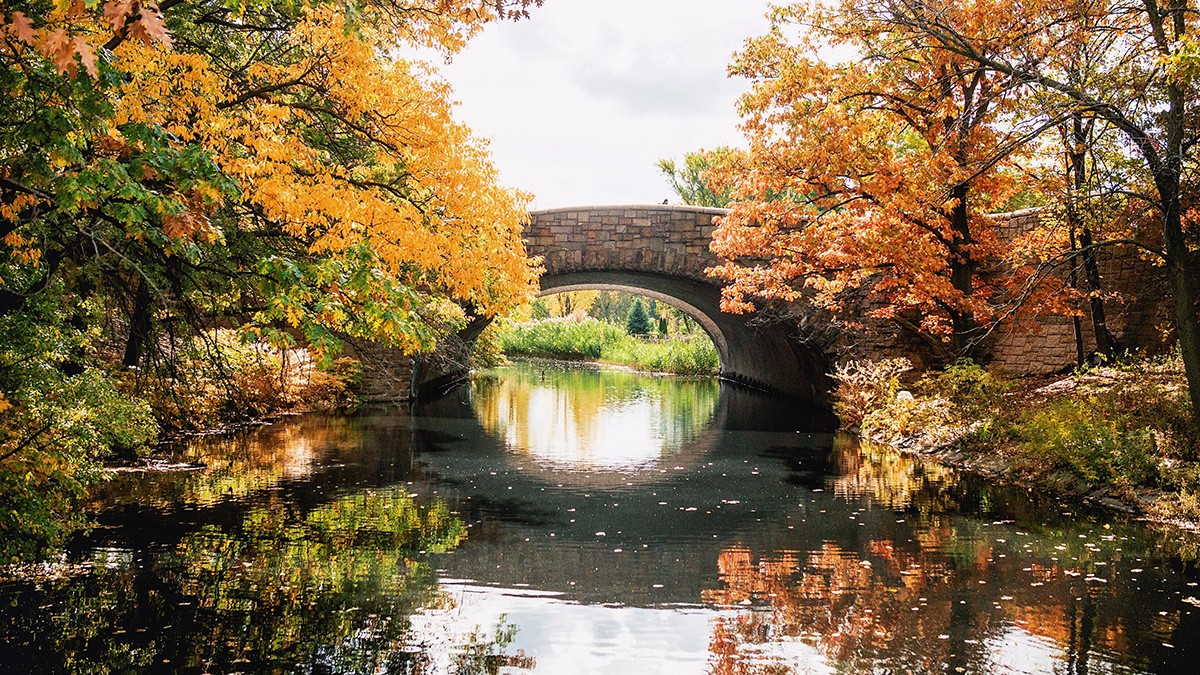
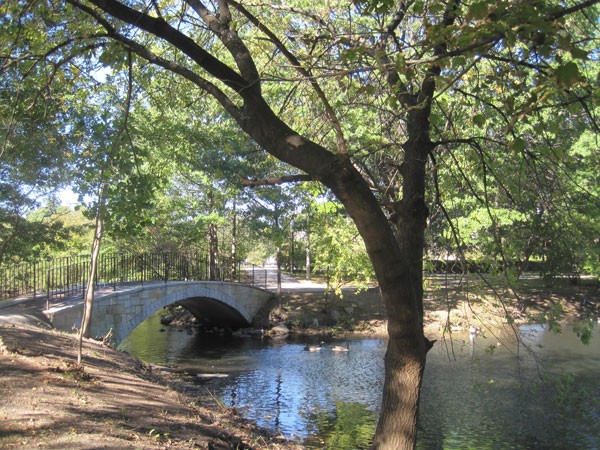
In addition to the innovative use of native plants, the Fens included several bridges and a gatehouse. Architect H. H. Richardson designed the Boylston Street Bridge and the Stony Brook Gate House while the Agassiz and the Fen Bridges were designed by John Charles Olmsted. After the Charles River was dammed in 1910, the ecology of the Fens shifted from salt to freshwater; redesign solutions were undertaken with Arthur Shurcliff, including the southern basin near the Museum of Fine Arts and the Kelleher Rose Garden. In 1941 a Victory garden was planted during wartime. Several war memorials have also been added over time as has a playground known as Mother’s Rest designed by Walker-Kluesing Design Group.
The fens were the focus of a master plan prepared in 1977 by landscape architects Carol R. Johnson Associates and were included in the Emerald Necklace Park master plan by the Walmsley/Pressley Joint Venture in 1989. Between 1989 and 1993 Pressley Associates restored the Agassiz Bridge and rehabilitated the Fenway Victory Gardens.
The Back Bay Fens was listed in the National Register of Historic Places in 1971 as a contributing feature of Olmsted Park System.