


Victorian Gardenesque
Exuberant, colorful civic and private lawns and gardens, featuring a multiplicity of “carpet bedding” patterns, often taken from pattern books, and frequently enhanced by ornately curved cast iron garden furniture, ornaments, and fountains. In grand private gardens and public landscapes conservatories or “glass houses” were fashionable, making possible the incorporation of exotic plants such as palms, so popular in the period. In the landscape, herbaceous plantings were used to create pattern: the convention of “bedding out” entailed the planting of multiple individual curvilinear tapestry-like areas of annual plants, often enhanced by fountains, sundials and specimen plants. Trees typically were allowed to grow into their natural forms (as this era coincided with the latter stage of the “Picturesque” era); they also might be pruned into arches or other fanciful shapes. Victorian is often conflated with John Claudius Loudon’s term “Gardenesque” in which specific interventions are made to ensure that a designer’s intervention is not mistakable for a creation of nature. This style flourished from the 1850s to the end of the 19th century.
-
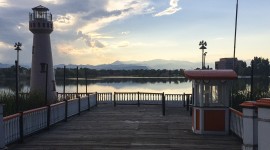
Lakeside Amusement Park
Lakeside, CO -
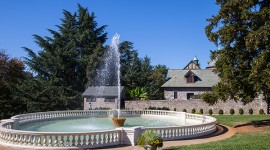
Maymont
Richmond, VA -
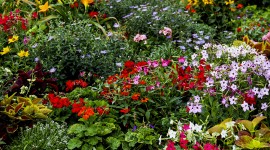
Temple Square
Salt Lake City, UT -
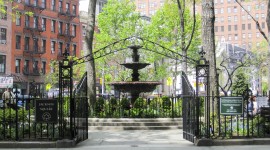
Jackson Square Park
New York, NY -
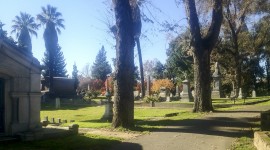
Historic City Cemetery
Sacramento, CA -
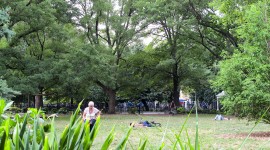
Tompkins Square Park
New York, NY -
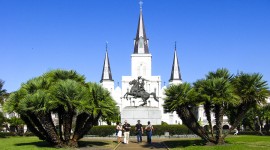
Jackson Square
New Orleans, LA -
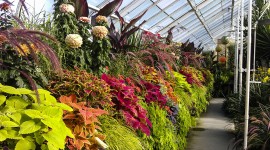
Volunteer Park Conservatory
Seattle, WA -
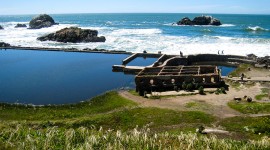
Sutro Baths
San Francisco, CA -
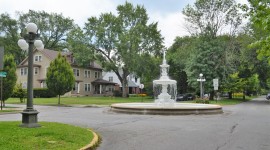
Woodruff Place Historic District
Indianapolis, IN -
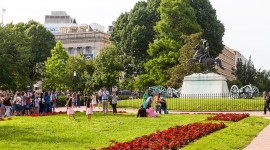
Lafayette Park - D.C.
Washington, DC -
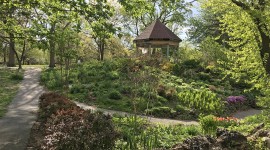
Lafayette Park - MO
St. Louis, MO -
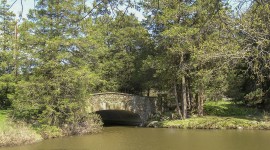
Elizabeth Park
West Hartford, CT -
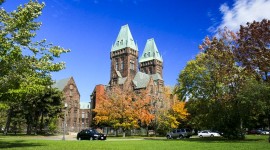
Richardson Olmsted Complex
Buffalo, NY -

Congress Park
Saratoga Springs, NY -
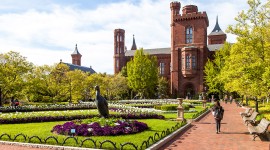
Enid A. Haupt Garden
Washington, DC