


Arboretum
Combining the Latin words for trees, “arbor”, and for a place to grow, “etum”, these institutional parks grow and display a wide range of native and exotic woody trees and shrubs. Arboretums exhibit a few key characteristics: plantings are scientifically ordered (eg: phylogeny, geography of origin, functional use, or biome); the provenance of the plants is well documented and labeled in situ; the site is open to the public for recreation, education, and research; and the arboretum is in exchange relationships with other arboreta. The oldest existing arboretum in the U.S. is the Arnold Arboretum in Jamaica Plain, Massachusetts. Itself a key link in Boston’s Emerald Necklace, the Arnold was laid out in the Picturesque style by Frederick Law Olmsted, Sr., and Charles Sprague Sargent.
Arboreta with specific focuses, such as conifers or fruiting trees, may also be referred to as a pinetum or fruticetum respectively.
-
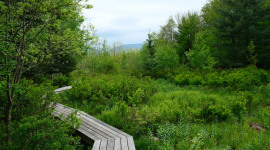
Mountain Top Arboretum
Tannersville, NY -
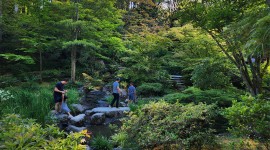
Seattle Japanese Garden
Seattle, WA -
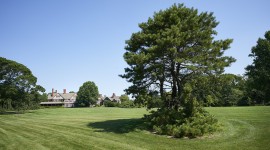
Bayard Cutting Arboretum State Park
Great River, NY -
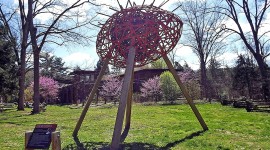
Bernheim Arboretum and Research Forest
Clermont, KY -
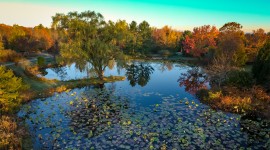
Holden Arboretum
Kirtland, OH -
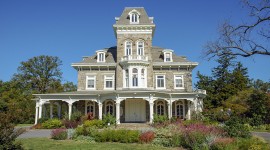
Cylburn Arboretum
Baltimore, MD -
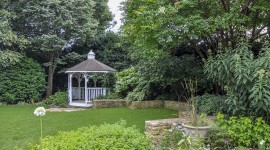
JC Raulston Arboretum
Raleigh, NC -
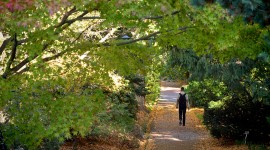
Coker Arboretum
Chapel Hill, NC -
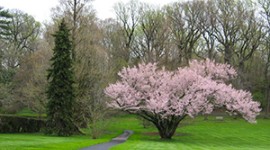
Marquand Park
Princeton, NJ -
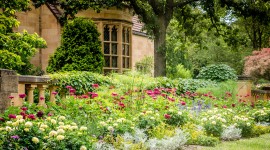
Paine Art Center and Gardens
Oshkosh, WI -
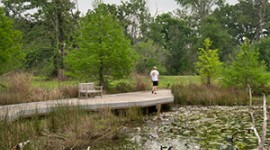
Houston Arboretum and Nature Center
Houston, TX -
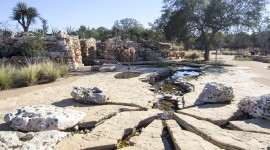
Lady Bird Johnson Wildflower Center
Austin, TX -
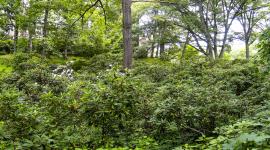
Wellesley College
Wellesley, MA -
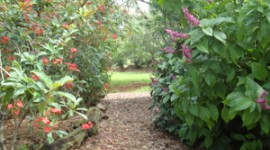
Deerfield Beach City Arboretum
Deerfield Beach, FL -
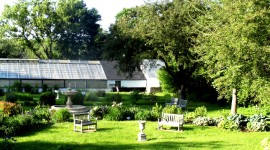
Hebert Arboretum at Springside Park
Pittsfield, MA -
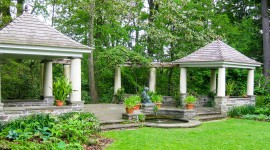
Temple University - Ambler Campus
Ambler, PA