First Amendment vs. Metal Fence
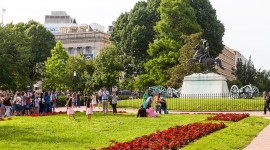
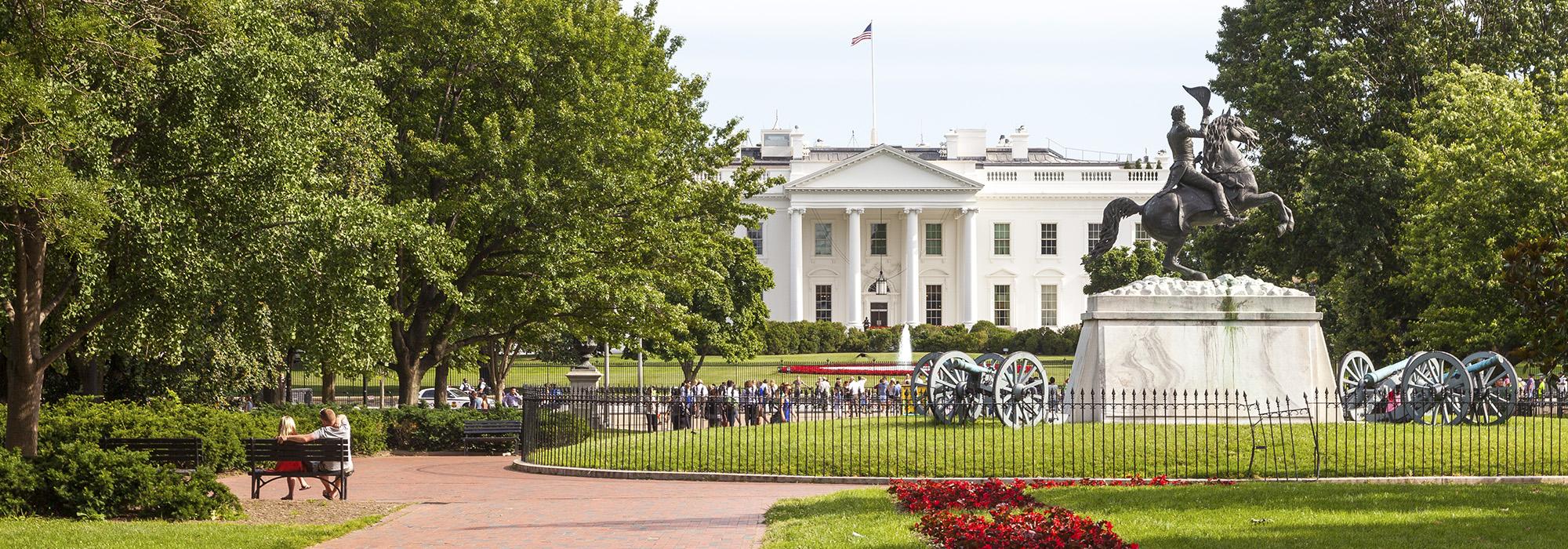
Lafayette Park, across the street from the White House, is ground zero in the nation for free speech—will it be ringed by a permanent fence? On Thursday, July 16, 2026, the administration presented plans to the U.S. Commission of Fine Arts (CFA) for enclosing the park with a permanent ten-foot-tall metal fence. The 6.96-acre park is the jewel in the setting of the 47.7-acre Lafayette Square Historic District, which was designated a National Historic Landmark in 1970.
The Cultural Landscape Foundation (TCLF) was the only attendee at the CFA meeting that provided in-person live testimony. TCLF's in-person testimony was based on the following written testimony:
Mr. Rodney Mims Cook, Jr., Chair
U.S. Commission of Fine Arts
401 F Street NW, Suite 312
Washington, DC 20001-2728
Dear Commission Chair Cook and Commissioners,
Thank you for the opportunity to comment on the proposals for Lafayette Park across from the White House.
We find ourselves in a precarious position. In The Cultural Landscape Foundation’s (TCLF) decades of experience and having the privilege of coming before the U.S. Commission of Fine Arts (CFA), historically, the commission’s review process, when applicable, has been preceded by or has run parallel with a review under Section 106 of the National Historic Preservation Act. The Section 106 review, which identifies “adverse effects” created by a project and engages with “consulting parties”—subject area experts—on how to “avoid, minimize, or mitigate” those negative impacts, can result in substantial modifications, alterations, and/or removal of design elements. This information provides vital context for understanding planning and design proposals about historic sites. In this case, we’re being asked to review proposals for the Lafayette Square Historic District, which was designated a National Historic Landmark in 1970; the designation was amended in August 2022 with a critically important expanded period of significance and relevant historical themes.
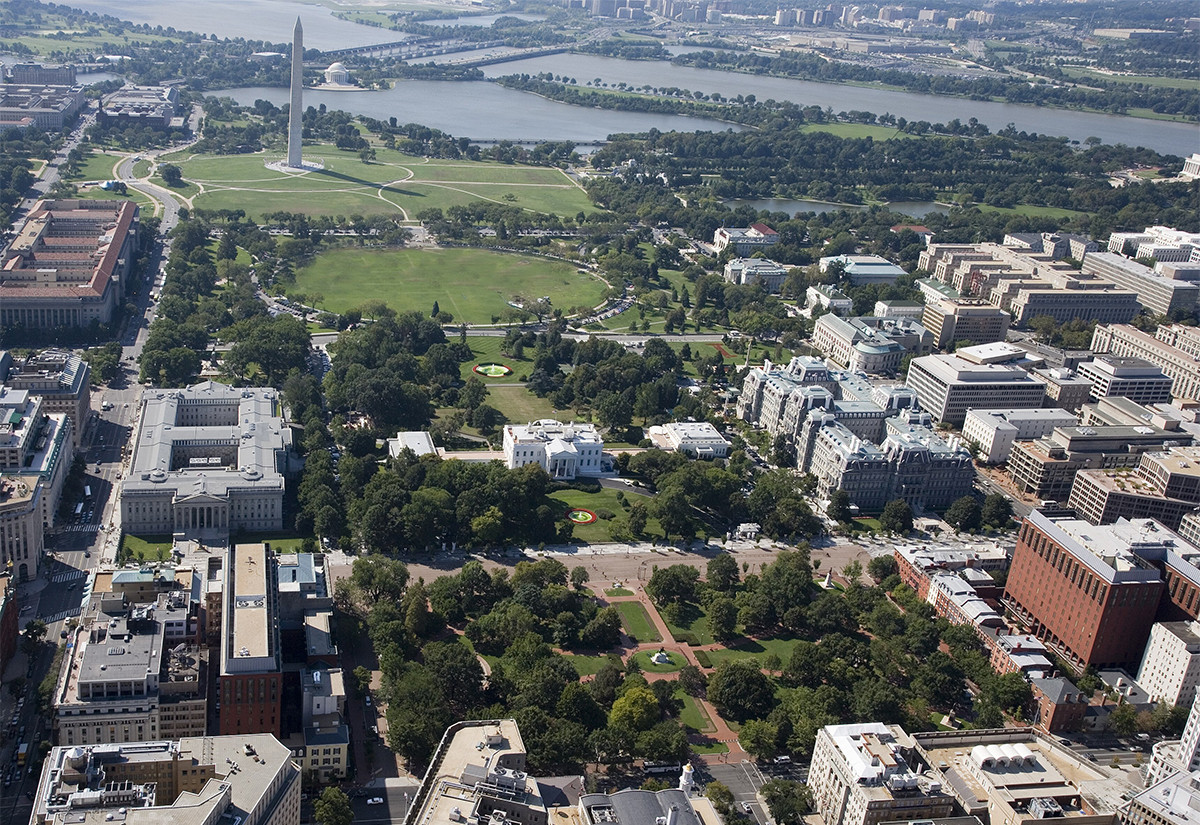
Let me note that the park was closed off and construction commenced in January 2026. However, a Section 106 review for Lafayette Park was only initiated on April 23, 2026. To date, there have been no “consulting parties” meetings so the significant design proposals that could have an adverse effect on the park’s historic visual and spatial relationships that are currently before the commission has not benefitted from the input, context, and reviews by those with historic preservation expertise who could advise on how to “avoid, minimize, or mitigate” adverse effects. For context, during this same period, TCLF has served as a “consulting party” on the well-run Section 106 review of the White House Visitor Screening Facility, which recently resulted in design revisions that still meet the needs and purposes of the U.S. Secret Service while substantially reducing the adverse effects of the original proposal. By contrast, the Section 106 review for the Triumphal Arch was initiated after this commission voted to give the project final design approval and did so without seeing final designs.
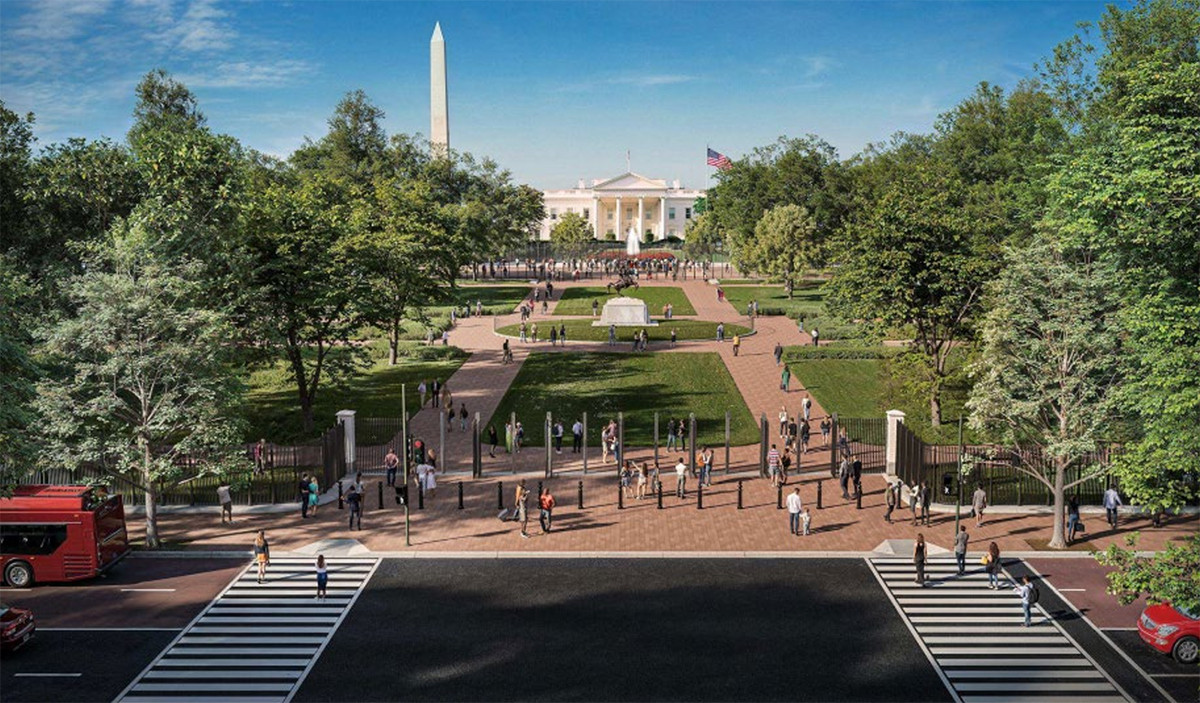
This current proposal for Lafayette Park is very circumscribed—largely restricted to which fence design alternative we “like” and which paving we “prefer”? While a fence has not existed at Lafayette Park since 1889, its former presence is cited as sufficient precedent. The commission’s two meetings about the Triumphal Arch (April 16 and May 21, 2026) were similar, though in that case, design concepts from the late nineteenth and early twentieth centuries for arches that were never built were nevertheless used to advance the inevitability of an arch in Memorial Circle.
The need for a Section 106 review early in the process is both beneficial and essential. We respectfully ask that prior to making critical design decisions the commission first acknowledge why Lafayette Park, which is nested within the larger Lafayette Square Historic District, is significant. And that the commission recognizes that its decision-making in this case does not impact just the 6.96- acre park; it fundamentally affects the 47.7-acre historic district. Yet that essential physical context is absent from this proposal and discussion.
Lafayette Park’s Unrivaled Significance and its Place as Part of Our National Identity
Lafayette Park is historically significant for many reasons, first and foremost as an iconic place to peaceably assemble and petition for a redress of grievances, which are cornerstones of our national identity and enshrined in the U.S. Constitution. A key issue is how to protect the park’s porosity and one’s freedom of movement. Indeed, the park is said to be the U.S. equivalent of Speakers’ Corner in London’s Hyde Park.
According to the amended designation, the Lafayette Square Historic District “is nationally significant for its symbolic association with and proximity to the American presidency and to executive power in our democratic republic. The district is a microcosm of the balance we strike in our nation. Lafayette Park, the center of the district, and its surrounding buildings have been and are a place of residence for prominent public figures, a place where national and international organizations formed and operated, and a place of relaxation and recreation, while at the same time the area has been and remains a premier location for First Amendment demonstrations, large and small. The importance of Lafayette Park as a place where people exercise their First Amendment rights has been affirmed by the nation’s courts at all levels.” [emphasis added].
The amended designation notes of the period of significance:
The district reflects two overlapping periods of significance. Under Criterion A, in the areas of politics and government and social history, the Lafayette Square Historic District continues to serve as the backdrop and setting for nationally significant events and trends. As the foremost location for staged and spontaneous political protests, and as home to influential public and private organizations focused on public policy in the United States, the district’s Criterion A period of significance extends from 1791 to the present.
The district’s period of significance under Criteria B, C, and D encompasses the years from 1791 to 1970. This era captures the district’s design significance (Architecture, Landscape Architecture, Community Planning and Development), as well as the periods when known historic figures were closely linked to sites and buildings within the district. In addition, the district’s archeological resources are encompassed in this period.
The amended designation also states: “This district is one of the most significant in the country. Unlike most historic sites, its significance derives not only from its role in the past but also from its ongoing role." [emphasis added]. Lafayette Square and its buildings continue to be inextricably related to the American Presidency and to the Executive Branch of the United States government.”
The Park and Square as a Birthplace of the Modern Historic Preservation Movement
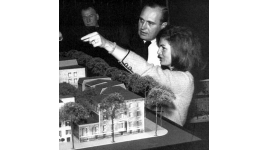
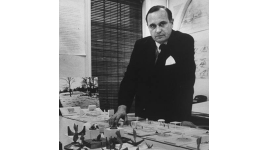
In addition to the areas of significance stated above, any proposed work should recognize Lafayette Park’s key role in the historic preservation movement, as identified in the amended designation which states the Lafayette Square Historic District, “would not exist today were it not for the efforts of President John F. Kennedy, First Lady Jacqueline Kennedy, the preservation design plan developed by John Carl Warnecke in 1962. By raising the profile of historic preservation and demonstrating executive-level support for heritage preservation at Lafayette Square, Presidents Kennedy and Johnson and their wives signaled a high-level acceptance of modern historic preservation policy—one that helped pave the way for the enactment of the National Historic Preservation Act in 1966.”
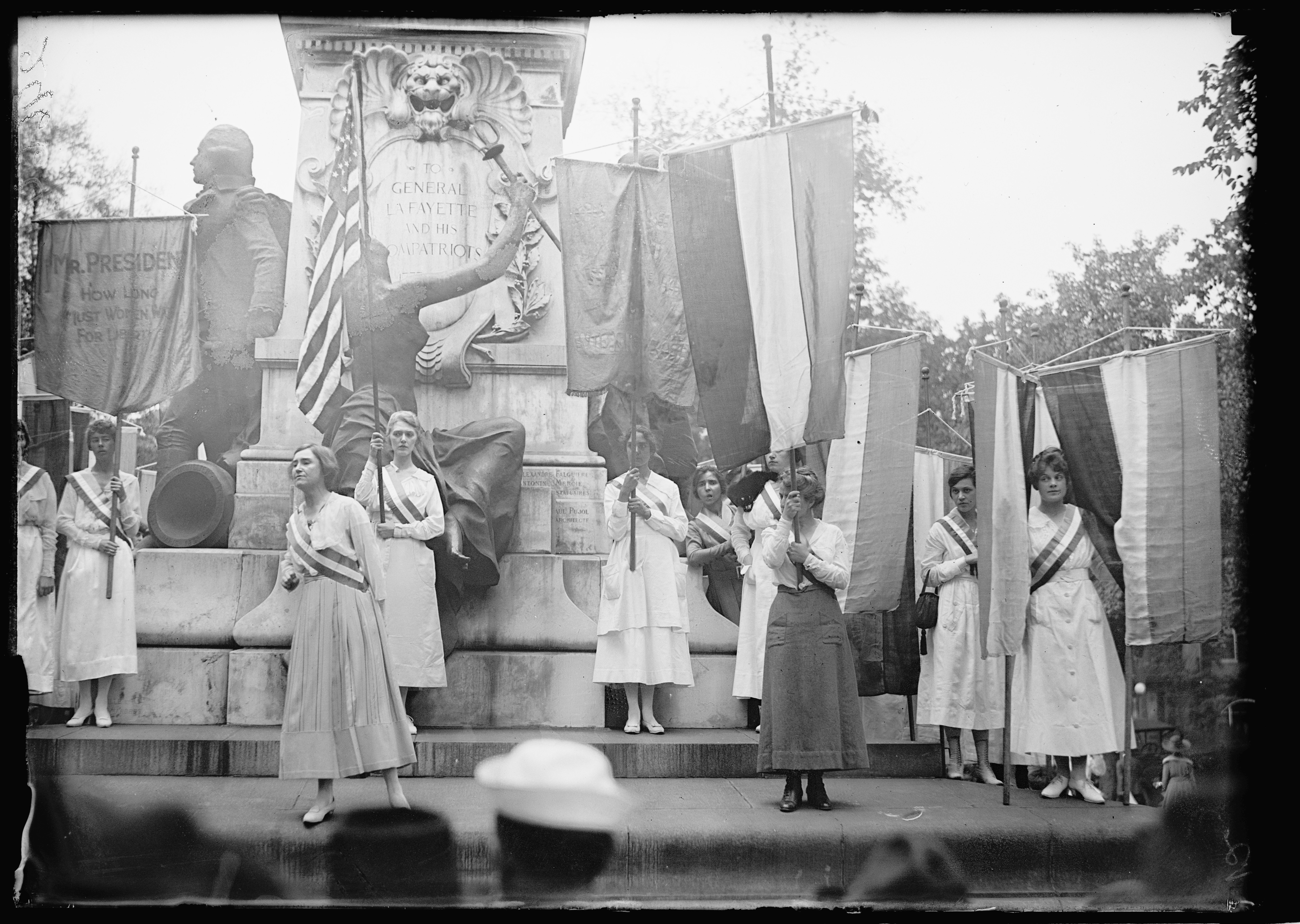
It should also be noted that during the Kennedy-Johnson-Warnecke-era Washington, D.C. was beset with increasing racial strife; the protests following the assassination of Dr. Martin Luther King, Jr. resulted in calling in federal troops. Indeed, there have been protests at Lafayette Park about civil rights, the war in Viet Nam, nuclear weaponry, women’s rights, gay and lesbian rights, and more. None of these resulted in the construction of permanent fencing around the park.
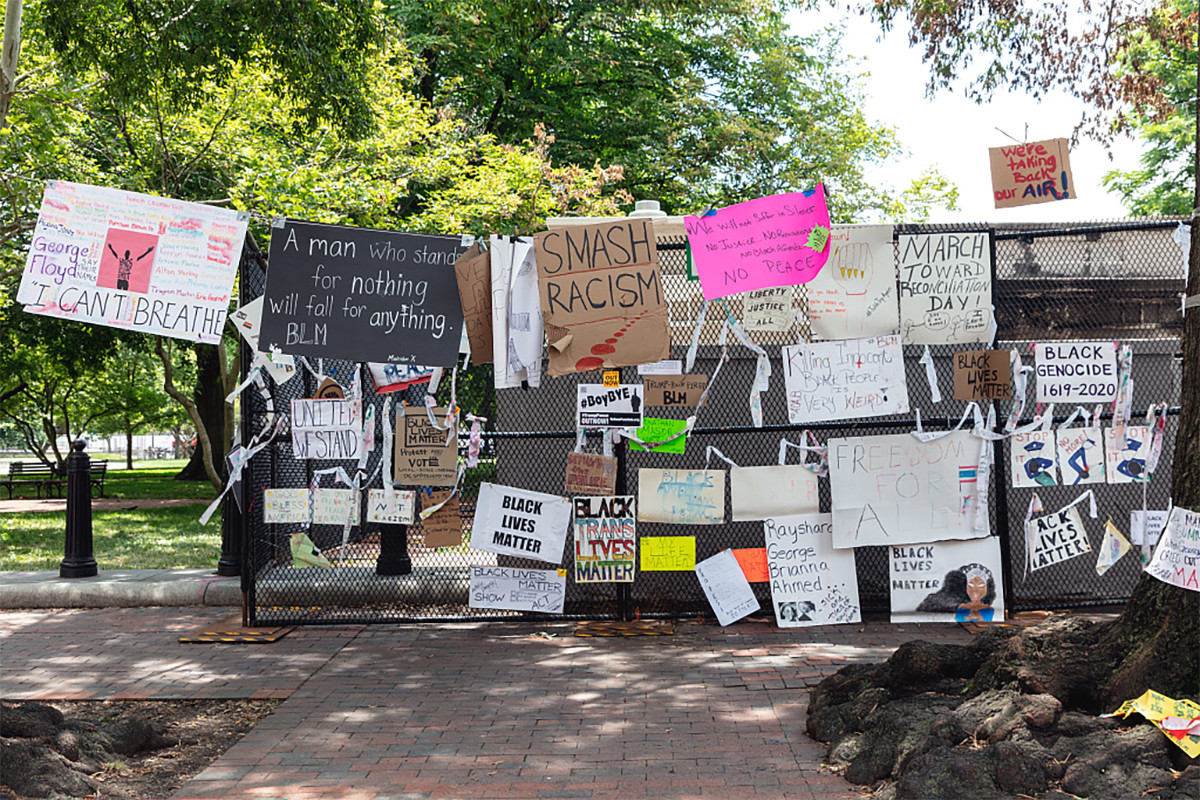
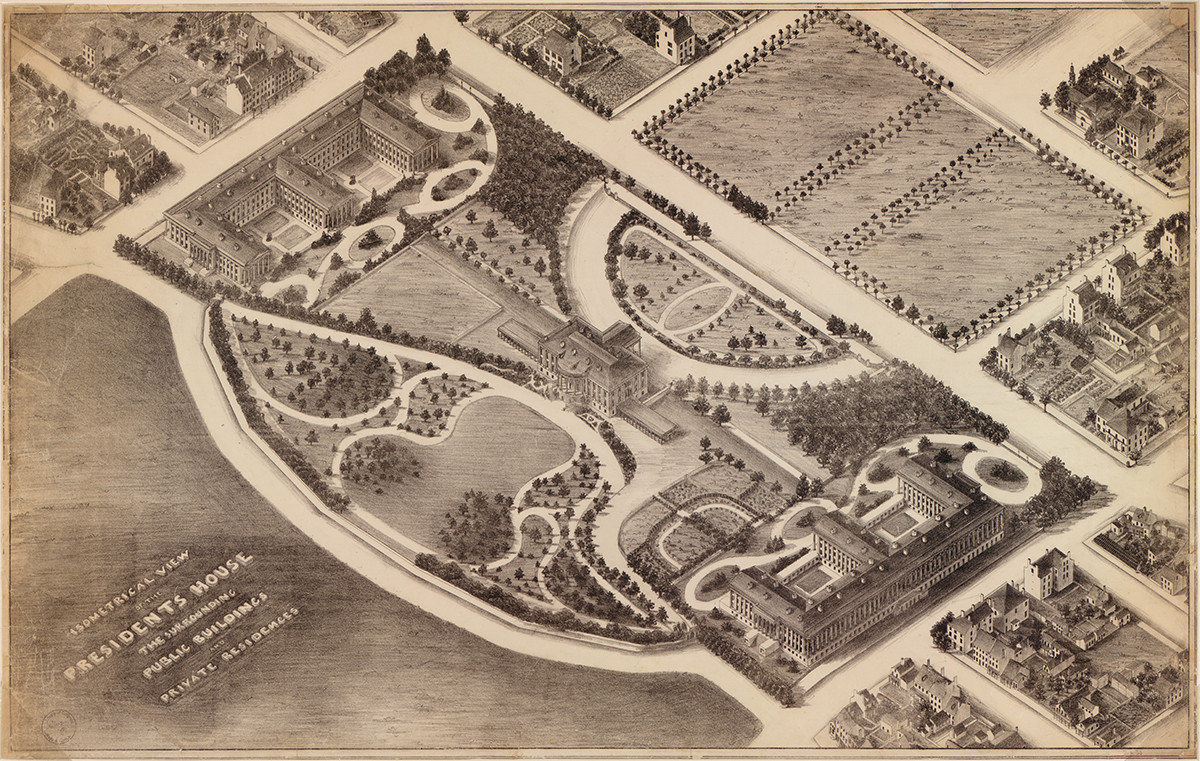
In addition, while the current Lafayette Park Security Modification proposal does cite the President’s Park Cultural Landscape Report, which notes that a permanent fence last surrounded Lafayette Park in 1889—137 years ago—it does not address some of the report’s key conclusions and recommendations, which could provide important guidance in prescribing site-specific strategies for the park, noting:
- “Several aspects of the history of this landscape need further analysis. Specific details on the installation and removal of fencing, descriptions of specific fencing types, the recycling of certain portions, and in some cases the replacement of fences with hedges should receive further attention.
- “The relationship between the landscape of President's Park and the surrounding neighborhoods needs to be systematically analyzed.
- “Use is one of the aspects of President's Park that is most difficult to document systematically. The complexity of evaluating this landscape stems in large part from the multiple uses associated with it.
- “Ceremonial functions and uses are probably among the most important aspects of the site. However, the information available is fragmentary and needs to be pieced together to provide a systematic perspective of how ceremonial uses changed with time.”
Moving Forward: Recognizing How Significance Informs Design Decisions
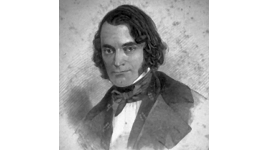
During my tenure at NPS (1992-2007), where I served as the Coordinator of the Historic Landscape Initiative and was the principal author of the Secretary of the Interior’s Guidelines for the Treatment of Cultural Landscapes (which is core to the Section 106 process), there were numerous conversations about security hardening following the horrific events of September 11. NPS realized the critical need to develop well-designed site-specific solutions—worthy of Washington, D.C.’s great landmarks and icons—or else the city would be overrun with Jersey barriers and similarly unsightly measures. For example, the bollards that exist at Lafayette Park today are a site-specific solution that was based on careful archaeological analysis that confirmed the location of earlier mid-nineteenth-century bollards of the A.J. Downing era. This design solution attempted to balance security with the highest historic preservation and design standards.
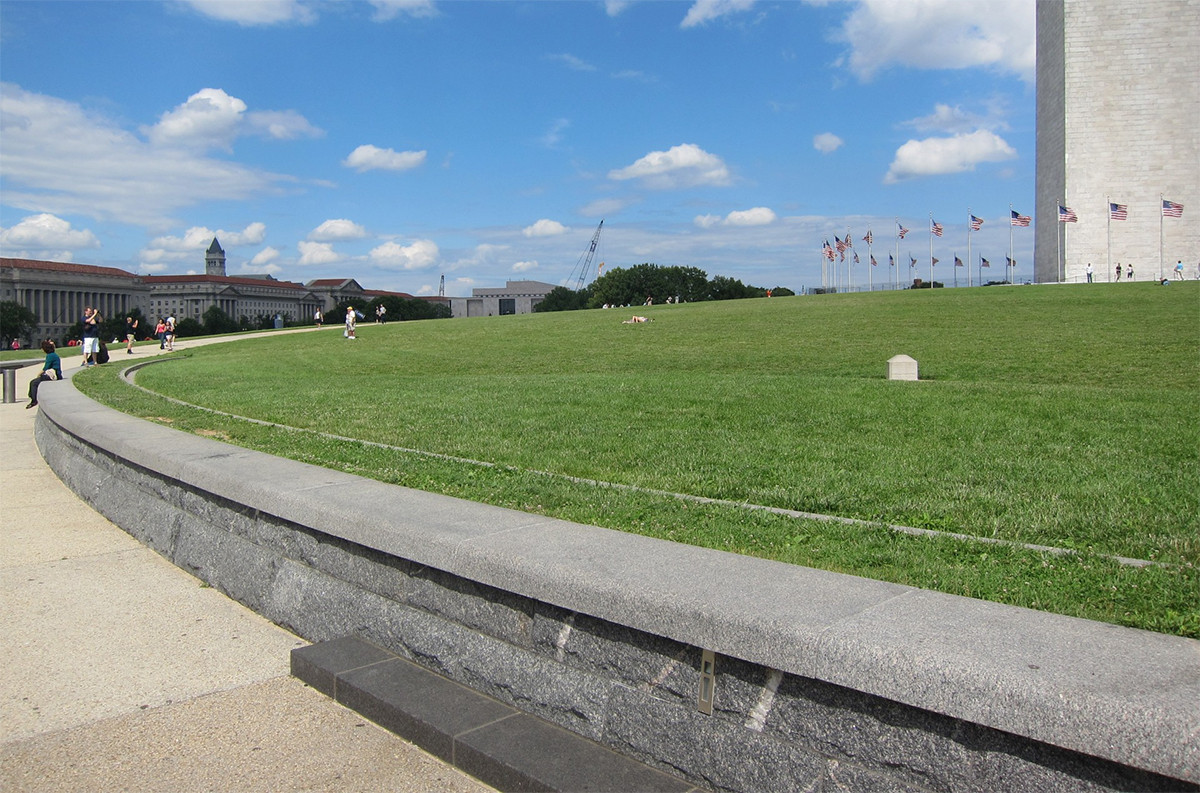
When considering the current proposals for Lafayette Park, let’s first ask if fencing is the right approach? One need only look to the solution developed for the Washington Monument which avoids fencing that would have altered its integrity of setting and character-defining visual and spatial relationships. In that case, OLIN designed site-specific curvilinear seat walls that meet generous sloping lawns that now protect the monument. Lafayette Park is referred to in the Historic District nomination as “a quiet island within an otherwise active metropolitan area,” and represents less than 15 % of the area of the Lafayette Square Historic District. Couldn’t the design proposals that we are all being asked to review tackle the issue of security more holistically and at a broader scale much as the Kennedy-Johnson-Warnecke-era interventions did, instead of forcing everything on to the park?
Conclusion
In the fall 2020 issue of Washington History, CFA Secretary Thomas Luebke wrote in “President’s Park: From Free to Fortified,” “At stake is a fundamental conflict between public access and the right of expression versus the need to protect profoundly symbolic places and persons of power. But the unfortunate reality of increasing threats is addressed with ever-larger security installations, the associated diminishment of the public realm can be balance by careful design.” He concludes: “We may still see a proposal developed for permanent barriers … Optimistically, we look forward to developing enlightened designs … that provide security whole upholding public access, where the best solution is the one that intrudes the least, and offers in return for its fortifying function the reminder that the public is welcome—and safe—at the national seats of power.” Many thanks for this opportunity and feel free to contact me with any questions.
Sincerely,
Charles A. Birnbaum, FASLA, FAAR
Founding President & CEO