Lessons from the Landscape - Reflections by Andre Bogart Szabo, TCLF Kauffman Fellow (2026)
As The Cultural Landscape Foundation’s (TCLF) 2026 Danette Gentile Kauffman Cultural Landscape Fellow, I researched site-specific artworks created by pioneering women artists. Following the Des Moines Art Center’s deaccessioning and ultimate demolition of Mary Miss’s Greenwood Pond: Double Site in February 2025, the urgent need to identify, document, and protect similar cultural landscapes has become increasingly apparent.
On my first day, TCLF president and founder Charles A. Birnbaum unearthed an article from the April 1968 issue of Landscape Architecture Magazine written by pioneering land artist Robert Smithson. In the brief essay—"A Thing is a Hole in a Thing it is Not"—Smithson wrote about the generative language of site and its importance to artists: “Pavements, holes, trenches, mounds, heaps, paths, ditches, roads, terraces, etc., all have an esthetic potential.” As an artist myself who habitually collects and composes organic and geological matter as painting material, Smithson’s writing articulates the gravitational pull I find in weathered, abandoned, ancient objects and, as a graduate landscape architecture student at University of Virginia, historic cultural sites.
During the course of my seven-week fellowship I had the privilege of researching more than a dozen landscapes created by pioneering women artists. Their practices propose a more expansive role for the artist, best summarized by Smithson’s final sentence of the essay: “The unknown areas of sites can best be explored by artists.”
Collectively, the works I researched trace the evolution of artists shaping the landscape, from the emergence of land art in the late 1960s toward ecological, environmental, and public art practices that increasingly blurred the boundaries between art and landscape architecture. As environmental activism and greater attention to cultural and social narratives influenced approaches to art and landscape, the women I researched inhabited hybrid roles as artists, planners, landscape designers, conservationists, activists, and storytellers. Their artworks operated not as passive aesthetic objects placed in the landscape but as functional environments, habitats, and communal spaces for gathering.
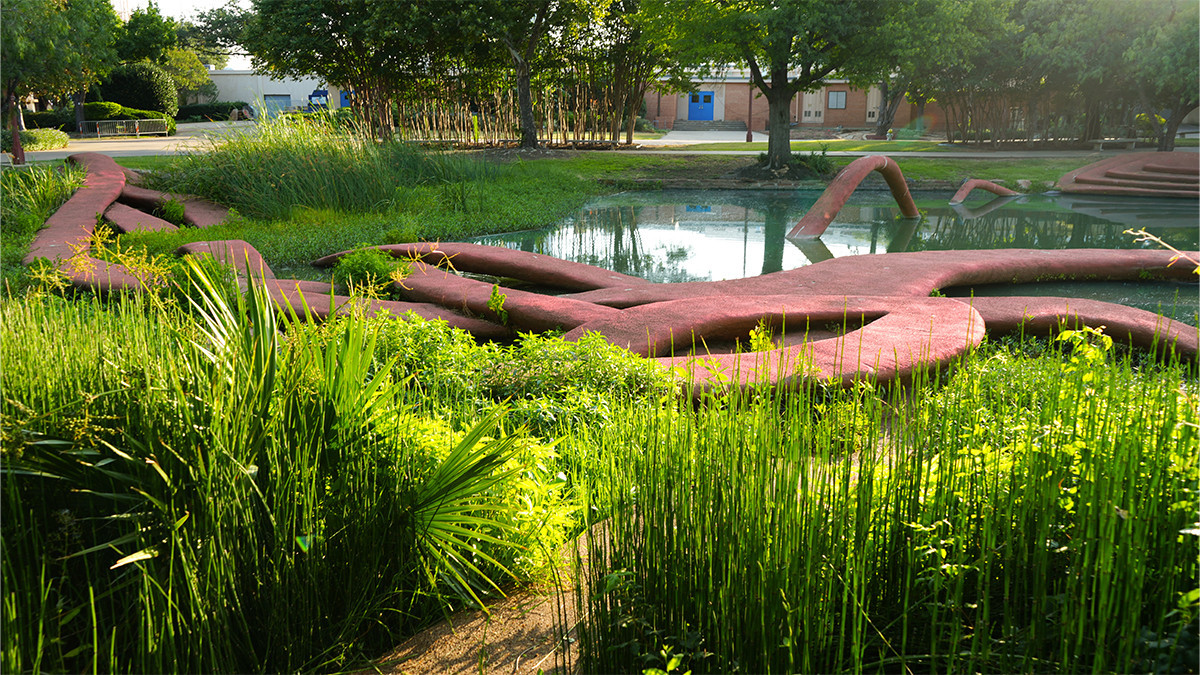
Three works I researched in particular demonstrate the trajectory of the built environment and the subtle evolution of landscape-based practices beyond the gallery setting. Nancy Holt’s Sun Tunnels (1976), internationally regarded as a pioneering work of land art, is isolated in Utah’s Great Basin Desert and consists of four concrete tunnels that connect the human body to celestial and geological time. A decade later, Patricia Johanson’s Fair Park Lagoon (1986) integrated sculpture, landscape, and ecological restoration to mitigate erosion and resuscitate the dying ecology of a small, designed lagoon in Dallas. In 1991 Athena Tacha completed Connections at Matthias Baldwin Park in Philadelphia, transforming a city block through crescent-shaped planted terraces into a space for community gathering. Together, these projects trace an expanded conception of art in the landscape, from remote earthworks toward ecological and environmental art projects in which the boundaries between art and landscape design become increasingly fluid.
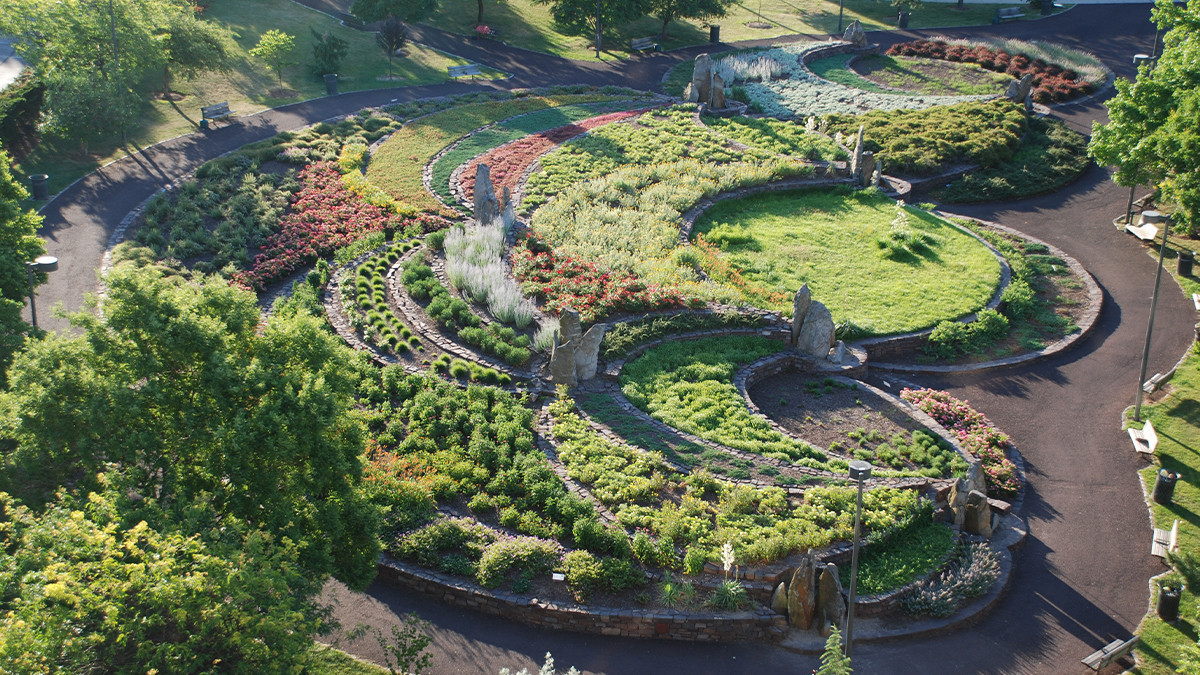
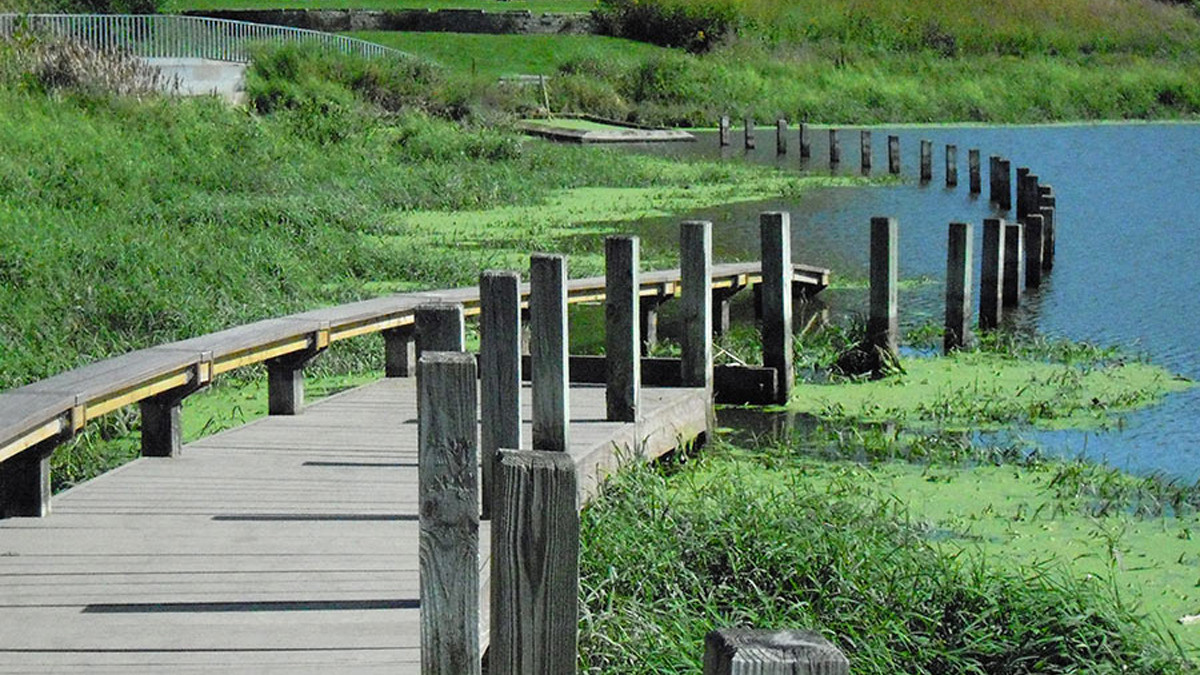
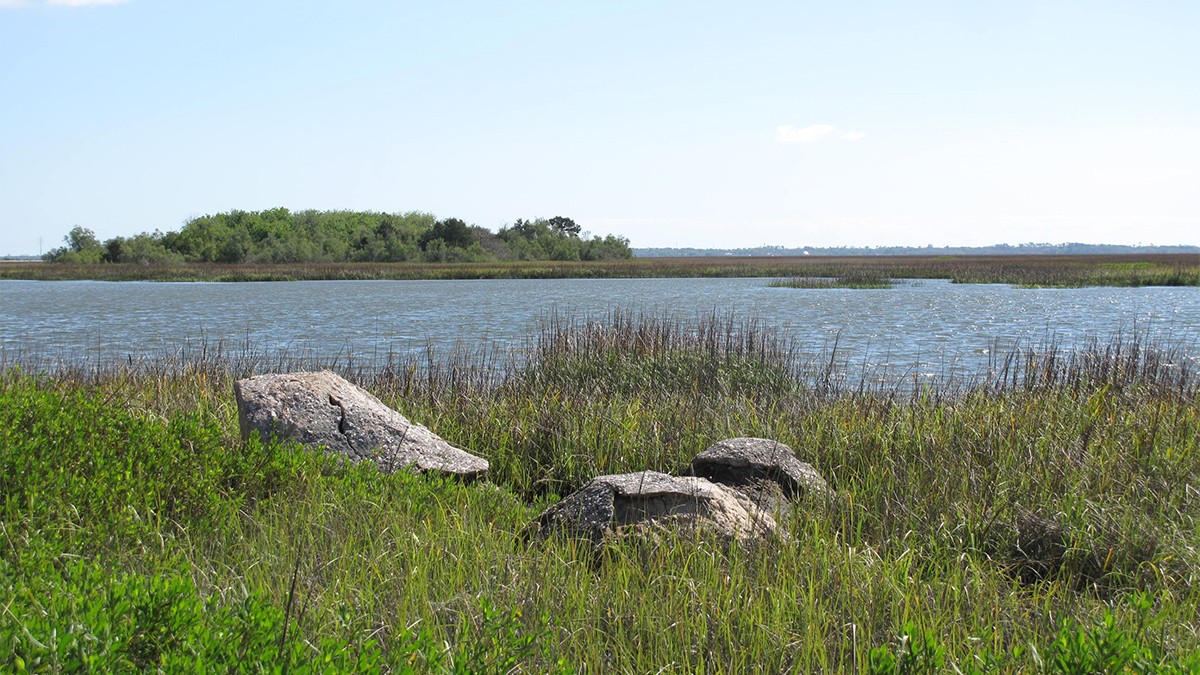
Contrary to the attitudes of select early land artists who treated the desert as a blank canvas, the landscapes I researched establish that land is not a tabula rasa but a living archive , containing layers of ecological information and cultural memory. Rather than relying on excavation, displacement, and disturbance of natural materials, artists such as Beverly Buchanan, Jody Pinto, Jackie Ferrera, and Beverly Pepper allowed site-specific cultural and communal narratives to inform their work. Beverly Buchanan’s Ruins & Rituals (1979) and Marsh Ruins (1981) confront race, memory, and vernacular landscapes in the American South. In Tree of Life/ City Boundary (1992), Jody Pinto—in collaboration with landscape architect Steve Martino—created a rill and terrace system in Phoenix that supports native desert vegetation while drawing inspiration from ancient, indigenous traditions of harvesting rainwater. Rather than treating land primarily as sculptural material, these artists acknowledge through subtle intervention the visible, unseen, and erased histories present in a landscape.
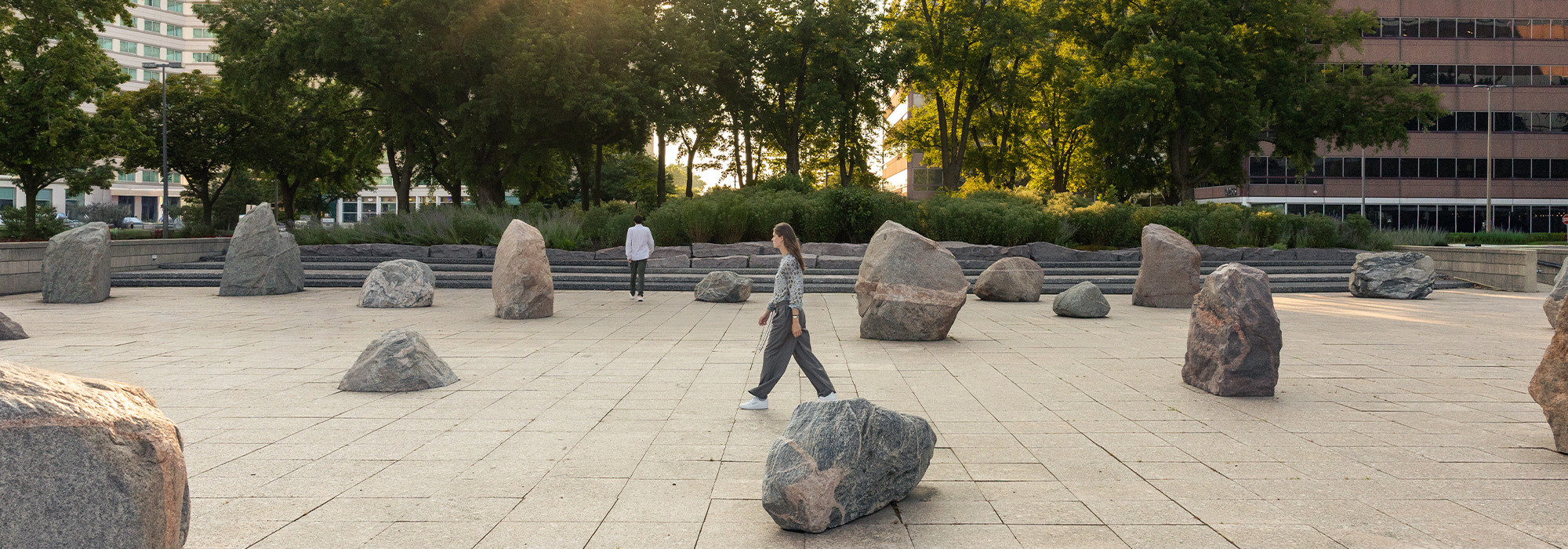
At the beginning of my Fellowship, I compiled a list of artworks to research throughout the summer and evaluated artists’ sketches, master plans, and historic maps. Doing so enabled me to understand how each artist altered or considered the existing site. That is, to what extent did the artist consider the totality of the landscape? To what extent does a public artwork in a plaza integrate the environment, history, and needs of the community? For example, Nancy Holt conceived Dark Star Park (1983)—a public art commission in Arlington, Virginia—as a small urban park, mindful of path circulation, sight lines, public access, and local history. Simply put, the difference between a public artwork placed in a plaza for ornamental purposes and a work that integrates the environment, history, and community of a site lies in the extent to which the artist listened to and engaged with existing site conditions and the needs of the public.
Many of the works I researched were created and funded through grants awarded by the National Endowment for the Arts. Others were commissioned by arts organizations, municipalities, real estate developers, and institutions that increasingly looked to artists to transform urban spaces. Philadelphia’s Percent for Art program, for example, dedicates one percent of eligible municipal construction costs to site-specific public art. Works such as Athena Tacha’s Connections and Jody Pinto’s Fingerspan (1987) reflect this expanded effort to make art accessible and part of everyday experience within the urban landscape, an effort that can be understood as an evolution of the early twentieth century’s City Beautiful movement.
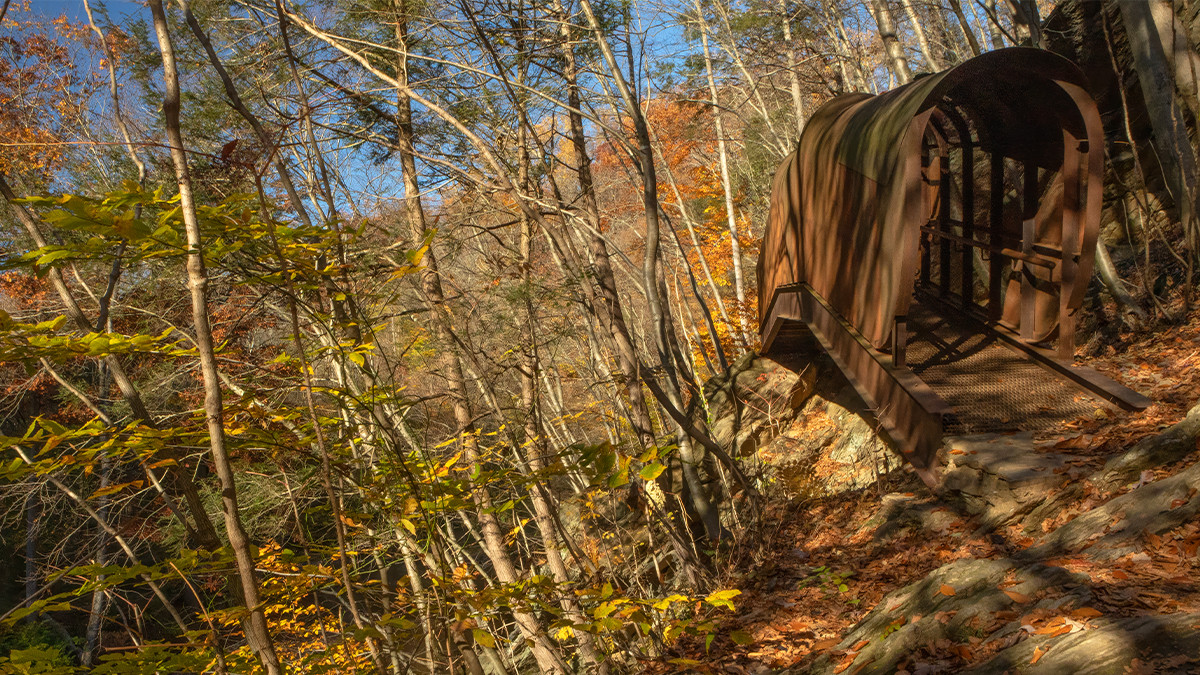
Though integration of artwork into the public landscape is to be celebrated, their survival exists within a delicate and entangled web of environment, planning, ownership, funding, maintenance, and stewardship. Even in the case of an artwork commissioned as part of a cultural institution’s permanent collection, these works are subject to time—not only through weathering and exposure to natural phenomena, but to the shifting needs of the public, urban expansion, and, most recently, cultural climate and political influence. Artists must advocate for their work before it is even constructed through funding and contract negotiations to ensure the commissioning party is prepared both practically and morally to steward the artwork and ensure its longevity. The fate of Greenwood Pond: Double Site demonstrates the fragility of both ephemeral and permanent artworks in the landscape.
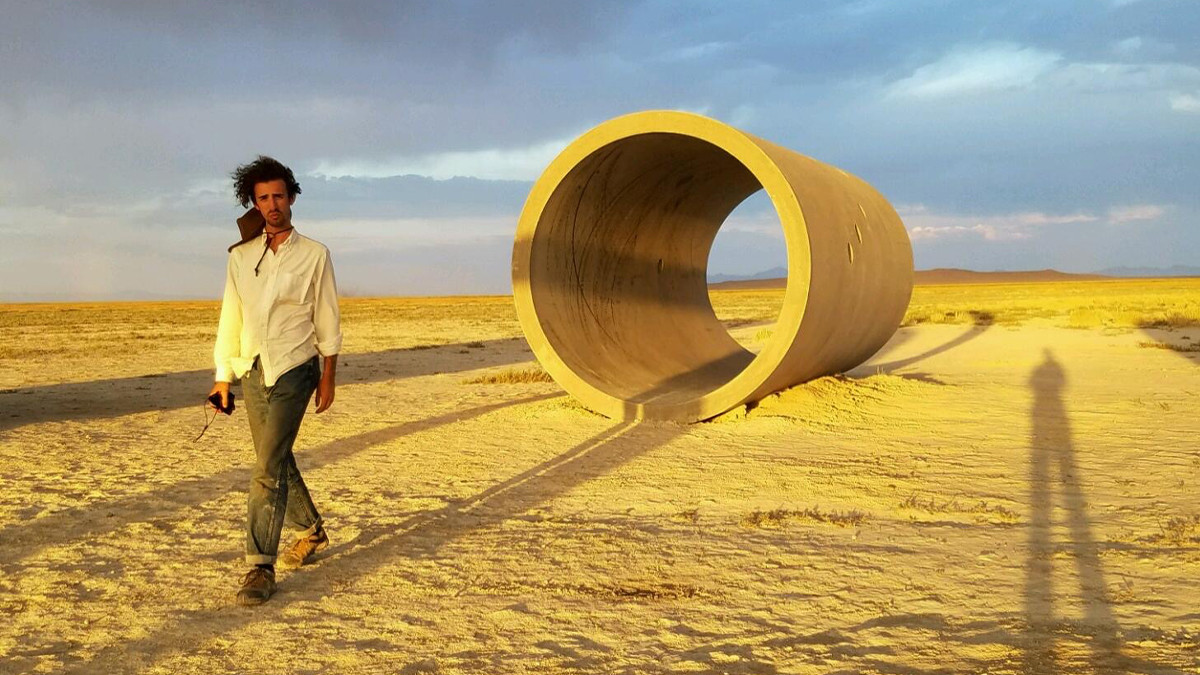
In recent years the visibility of several pioneering woman artists has increased. For example, in 2018 the Dia Art Foundation acquired Holt’s Sun Tunnels, in 2023 the Nasher Sculpture Center hosted the exhibition Groundswell: Women of Land Art, and last month, Jody Pinto’s first major retrospective debuted at The Museum of Contemporary Art Cleveland. Furthermore, a broader national reassessment of land art as culturally and historically significant is evidenced by the recent listings of Robert Morris’s Untitled Earthwork (Johnson Pit #30, 1979) and Robert Smithson’s Spiral Jetty (1970) to the National Register of Historic Places. Although Greenwood Pond: Double Site was ultimately destroyed, TCLF’s advocacy campaign rallied an extraordinary number of artists, curators, historians, landscape architects, and preservationists to its defense that undeniably established that these landscapes matter.
Related Content

Agnes R. Katz Plaza
Pittsburgh, PA
Andrew Haswell Green Park
New York, NY