Landscape Information
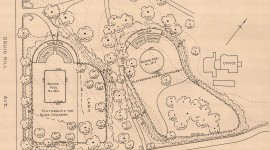
Comprising relatively level terrain on the western shore of St. Helena Island, this 47-acre rectilinear property incorporates the former site of a vocational school founded in 1862 for the education of African Americans. The grounds extend east from a tidal marsh, Capers Creek, across the north-south Martin Luther King Jr., Drive.
In 1861 Union troops occupied the island, and many white residents fled, leaving behind vast plantations. Formerly enslaved African Americans took control of this land, establishing a self-sufficient community, and the following year northern missionary abolitionists founded a school, housed in a church (1855; now Brick Baptist Church). In 1864 the missionaries acquired acreage from freedman Hasting Gantt across from the church. There, they constructed a schoolhouse (no longer extant) for African American students and additional buildings, including Darrah Hall (1894; destroyed by fire, rebuilt in 1901). The school closed in 1948; three years later the campus was acquired by the non-profit, Penn Center. During the Civil Rights Movement, Dr. Martin Luther King, Jr., and other figures utilized the center to plan marches and campaigns.
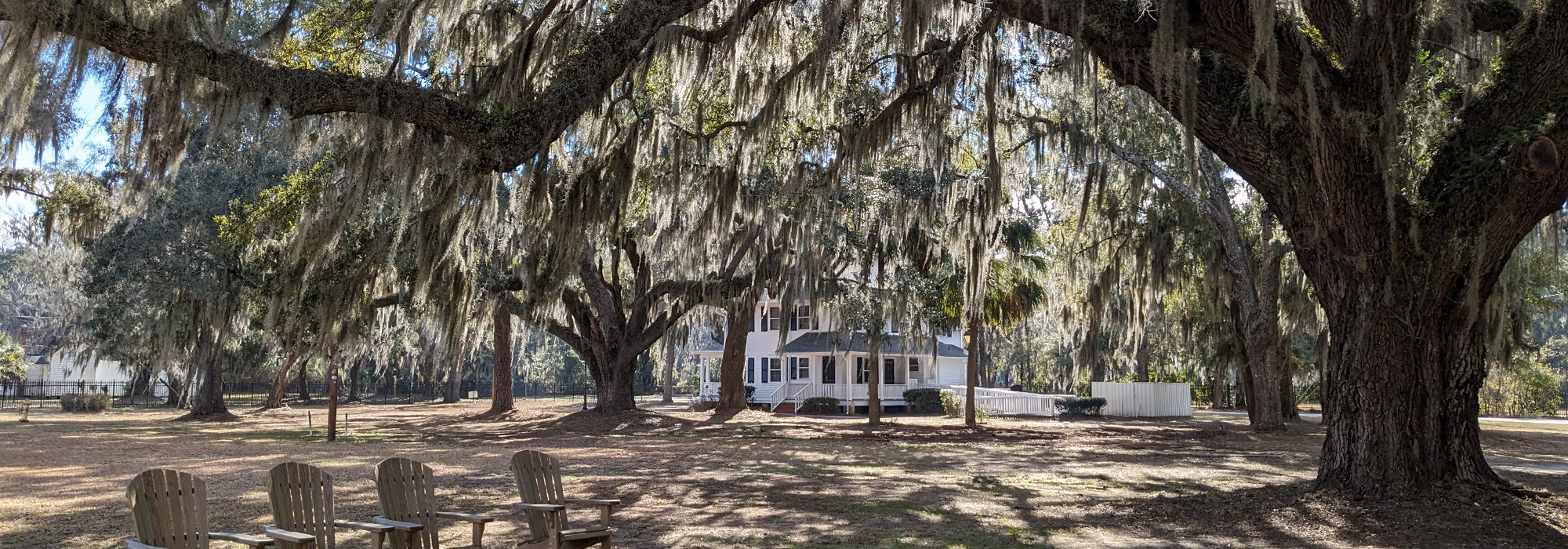
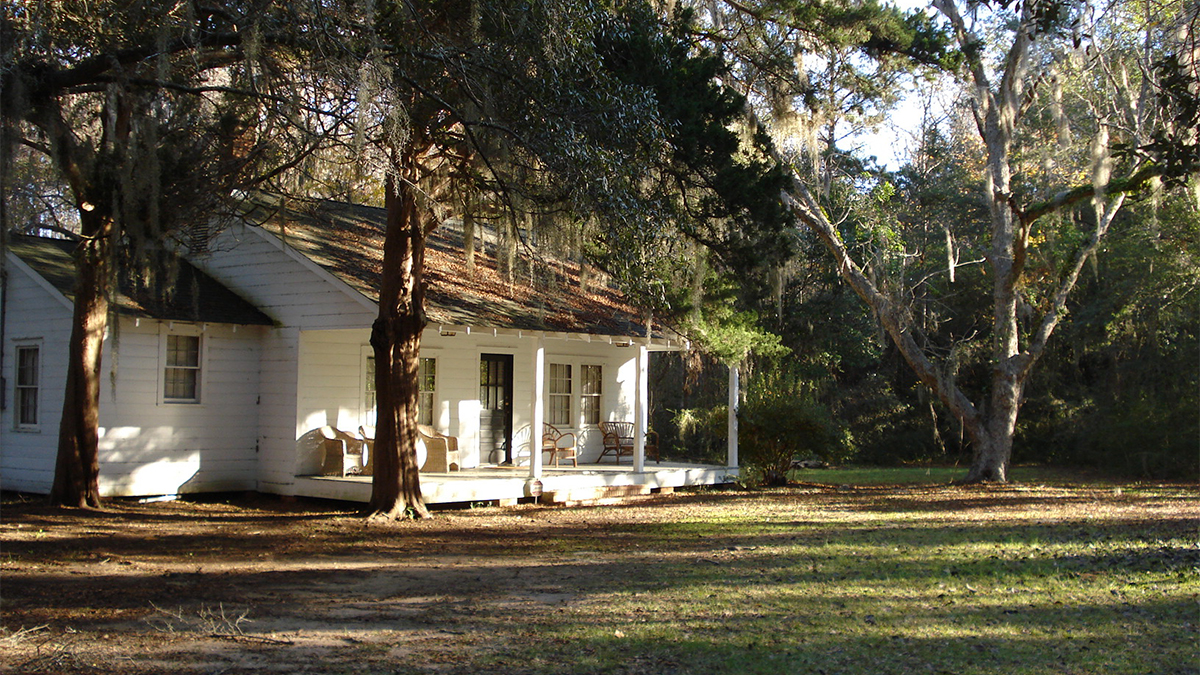
Today, the center hosts educational and cultural programs honoring the island’s Gullah-Geechee heritage. Traversed by curvilinear, earthen drives—intermittently edged by wooden beams—and linear walkways, the property includes multiple one-and-two-story masonry and wood-frame buildings and structures surrounded by palmetto trees, shrubs, and flowering perennials, including wisteria and yellow jessamine. Irregularly shaped lawns shaded by Southern live oak and pine trees separate the buildings. At the property’s western end, rectilinear lawns are surrounded by dense woodlands. The latter meet the screek’s shoreline, affording borrowed coastal views.
Penn Center National Historic Landmark District was listed in the National Register of Historic Places in 1974. Brick Baptist Church and Darrah Hall are contributing features of Reconstruction Era National Historical Park (2019).