Pioneer Information
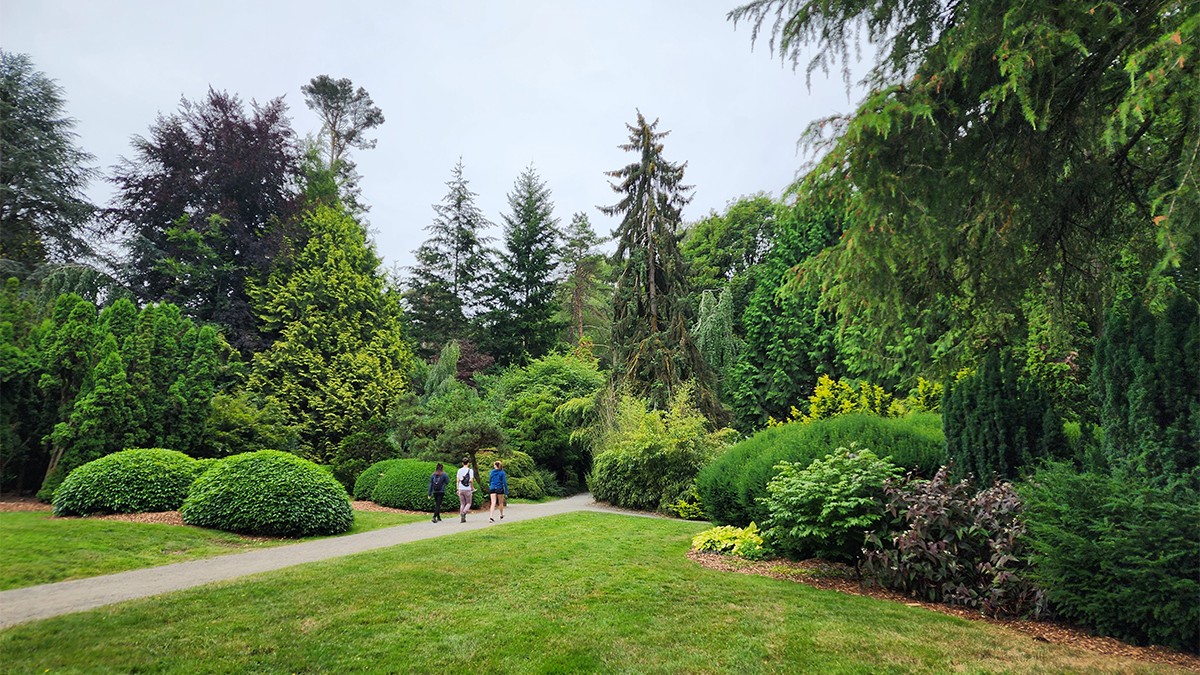
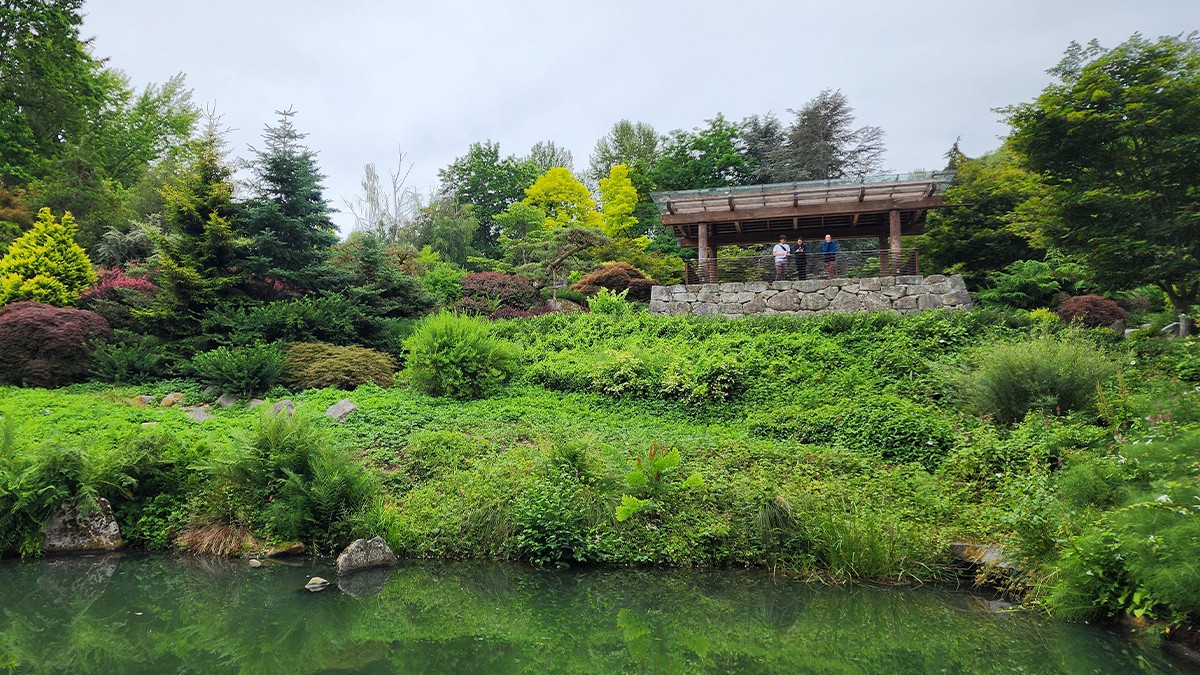
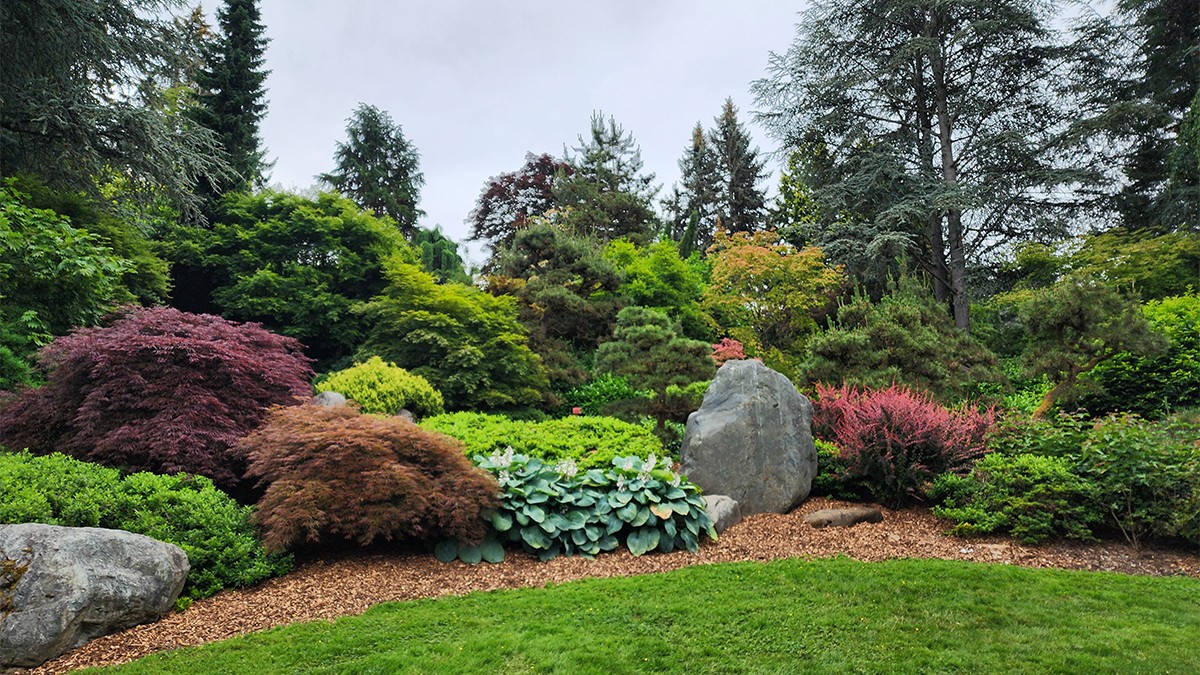
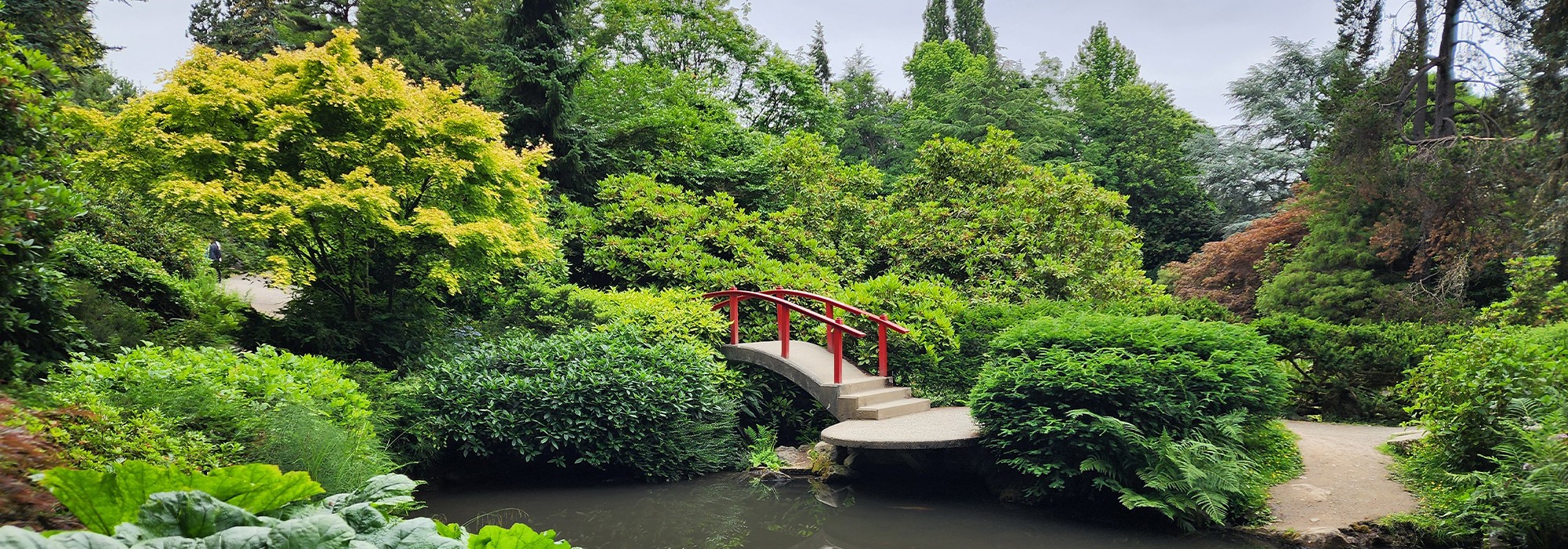
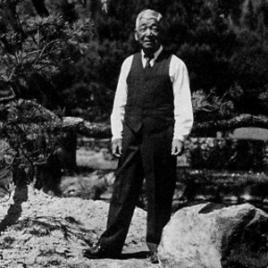
Born in Kōchi Prefecture, Japan, to a prominent rice farming family, Kubota was educated at local schools and took introductory botany classes. In 1907 he immigrated to the United States, working as a laborer in a sawmill and then, in Selleck, Washington, a lumber camp before settling in Seattle, where he managed hotels and apartment buildings and held a stake in a produce market. In 1923 he established the Kubota Gardening Company, a landscape gardening and design business. Four years later, using a friend’s name to circumvent discriminatory property laws, he purchased five acres in the Rainier Beach neighborhood of south Seattle. Initially using the site as a nursery, he soon developed it into a stroll and drive-through display: the Kubota Garden. It was expanded to twenty acres as his business prospered. Kubota was primarily self-taught and deeply influenced by the reverence for nature in Japanese cultural and religious traditions. He designed landscapes organically, using stone and plant materials aesthetically, and often rehabilitated plants and recycled materials from demolished or abandoned sites.
From 1942 to 1945 Kubota and his family were interned at the Minidoka War Relocation Center, (now the Minidoka National Historic Site) in Jerome, Idaho. Undeterred by circumstance, Kubota planted shade trees and gardens to mitigate camp conditions. Upon returning he found Kubota Garden in a state of neglect that took years to rehabilitate, and he continued to design landscapes and gardens across Seattle, including the Japanese Garden at the Bloedel Reserve (1956), the Pries-Lea Garden (1958), and Seattle University (collaborating with grounds manager Fr. Raymond Nichols, 1950s–1960s).
Changing laws allowed him to become a United States citizen in 1952 and obtain full ownership—under his own name—of Kubota Garden. In 1973 he was honored by Japan with the Order of the Sacred Treasure (Fifth Class) for his achievements in bringing Japanese gardening traditions to the United States. Kubota died that same year at the age of 94.