Pioneer Information
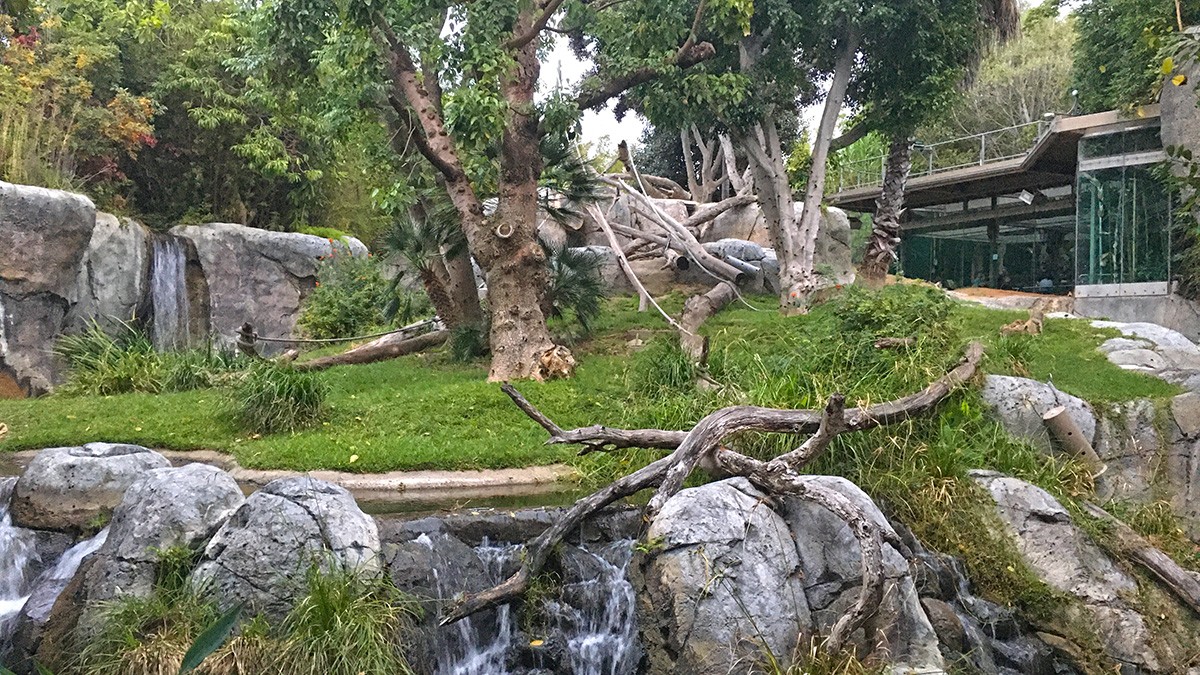
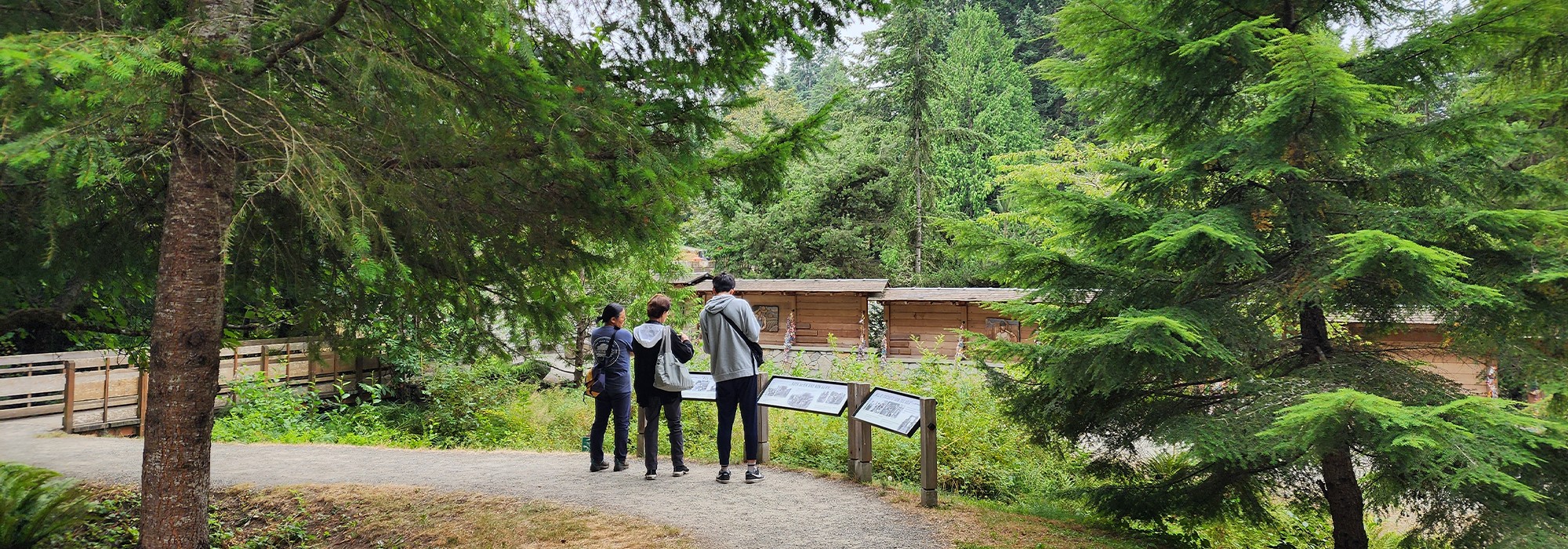
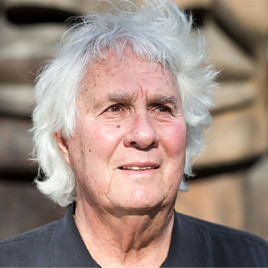
Born in Okmulgee, Oklahoma, Jones is the son of a Choctaw/Cherokee mother and Welsh-American father. His family relocated to Manteca, California, in the 1950s as part of an Indian relocation program. After high school Jones studied at San Jose City College while working at the architectural firm of Higgins & Root. In 1962 he enrolled at the University of Oregon, Eugene, graduating with a BArch in 1967. He subsequently moved to Seattle, working for architect Paul Thiry before joining Dersham & Dimmick in 1968. Soon after he founded a firm on Bainbridge Island where he worked closely with Seattle’s Native American community, redesigning the American Indian Women’s Service League. In the early 1970s he joined Jones & Jones Architects and Landscape Architects alongside landscape architect Grant Jones and architect Ilze Jones (no relation) where he was instrumental in the firm’s transformative zoological design at Seattle’s Woodland Park Zoo (1976). He also designed the Mercer Slough Environmental Educational Center (2009) in Bellevue, Washington; the Vancouver Land Bridge (2008) in collaboration with artist Maya Lin; and the Bainbridge Island Japanese American Exclusion Memorial (2011).
Jones’s design philosophy centers on complementing the four worlds—natural, animal, spirit, and human—a concept taught by his Choctaw/Cherokee grandmother. As a member of the Choctaw Nation of Oklahoma, he is dedicated to honoring his heritage. In addition to designing multiple Native American cultural centers across the country, including the Longhouse Education and Cultural Center at Evergreen State University (1995) in Olympia, Washington, Jones was lead design consultant for the Smithsonian’s National Museum of the American Indian (2004) in Washington, D.C.
Jones became a Fellow of the American Institute of Architects (AIA) in 1993. In 2011 he was a Pietro Belluschi Distinguished Visiting Professor at the University of Oregon and in 2013, he received the National Humanities Medal.