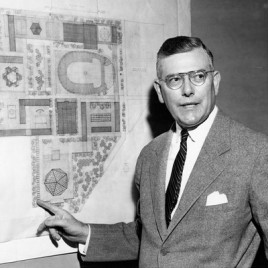
Pioneer Information
Born in Nome, Alaska, to French parents, Thiry attended a Benedictine school, St. Martin’s (now St. Martin’s University). He studied architecture at the University of Washington—augmented in 1927 by summer study at the École des Beaux-Arts in Fontainebleau (now Fontainebleau School of Music and Fine Arts)—and earned a BArch in 1928. He subsequently worked for Seattle-based landscape architect Butler Stevens Sturtevant before obtaining his architecture license in 1929 and founding his own firm. Thiry’s early work reflects his Beaux-Arts and historicist training. During the Great Depression, a visit to the Chicago Century of Progress International Exposition of 1933 and extensive travel, particularly in Japan, exposed him to the dramatic possibilities of Modernism. Upon return to Seattle, he eagerly introduced these principles to the Pacific Northwest, beginning with his own home (1936).
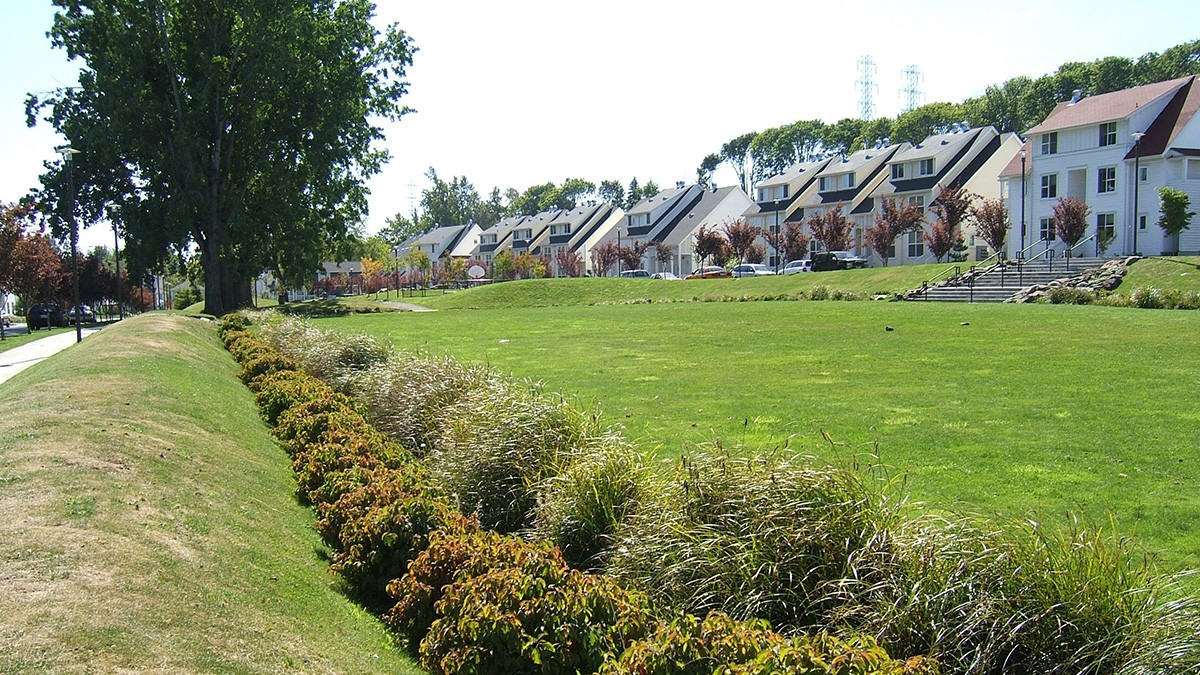
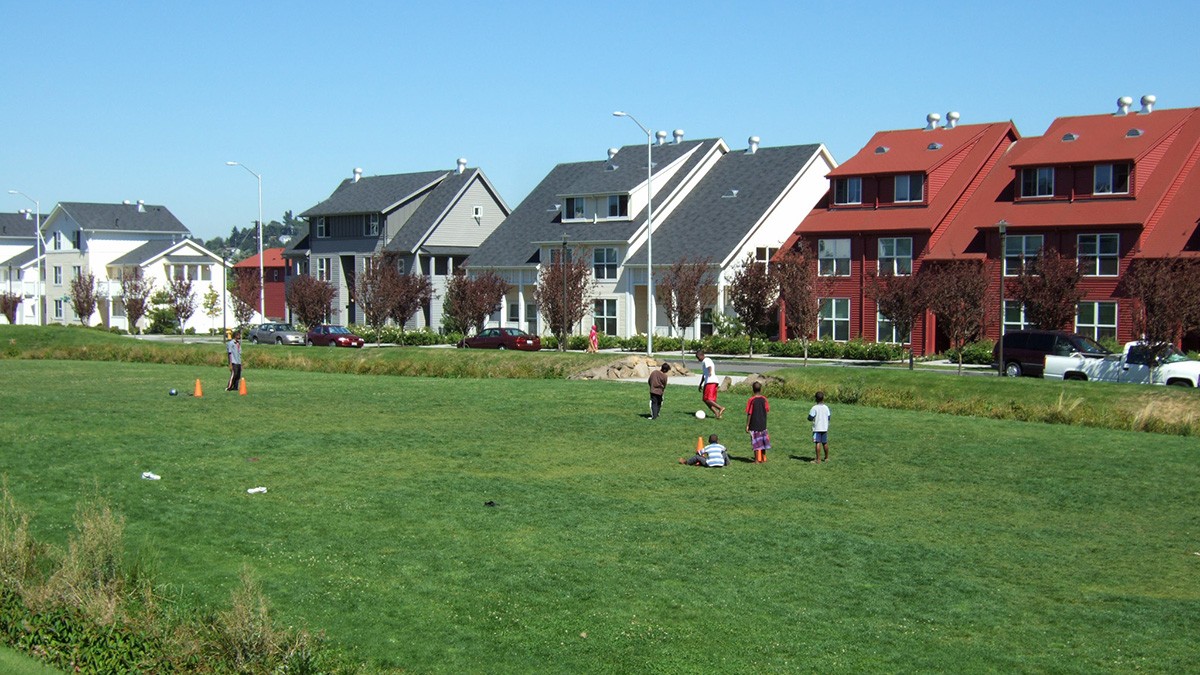
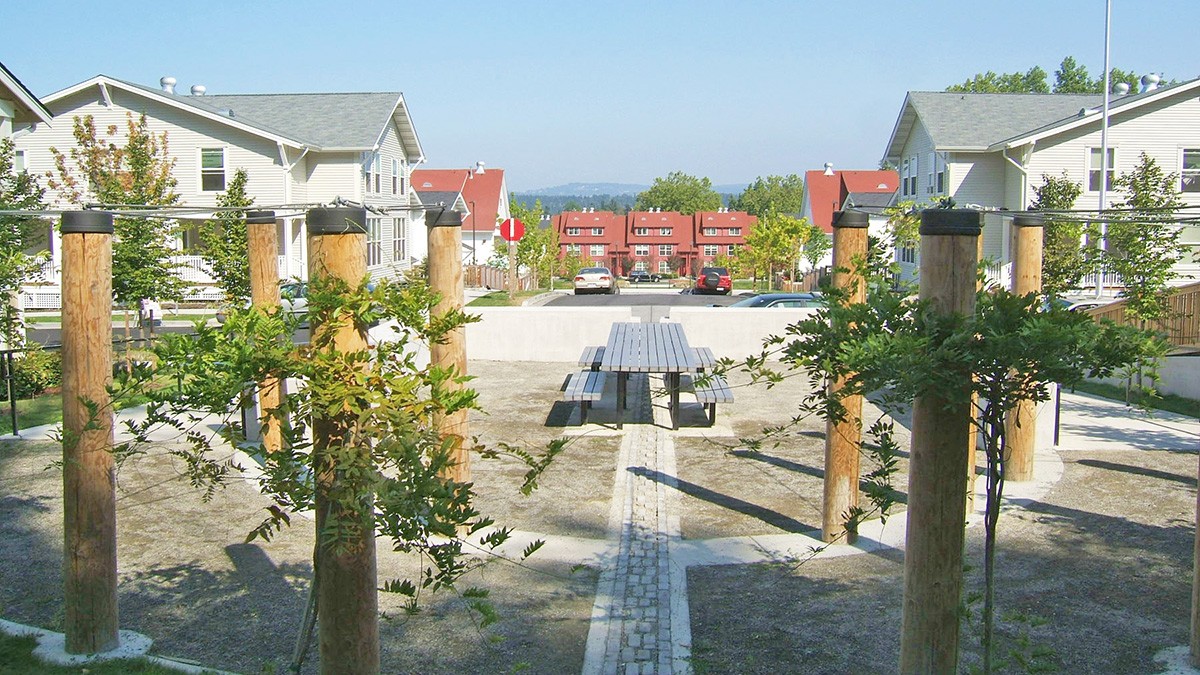
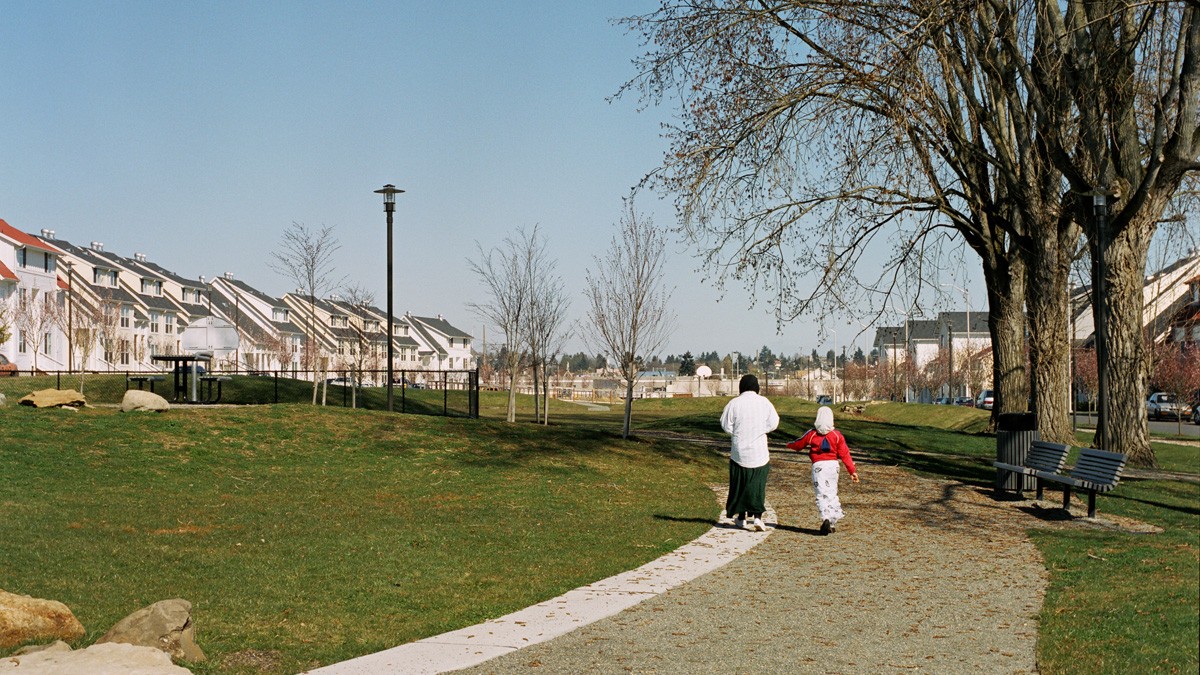
When his design of the Frank J. Barrett House, undertaken with partner Alban A. Shay, Seattle (1937), was published in The Modern House in America (1940)—alongside designs by Walter Gropius and other prominent Modernists—his national visibility took hold. Among his residential, religious, and institutional projects are Holly Park (1942, now NewHolly), Church of Christ the King (1950), Washington State Library, Olympia (1954), and the US Embassy residence in Santiago, Chile (1961). In Churches and Temples (1953), he authored the section about modern Catholic architecture.
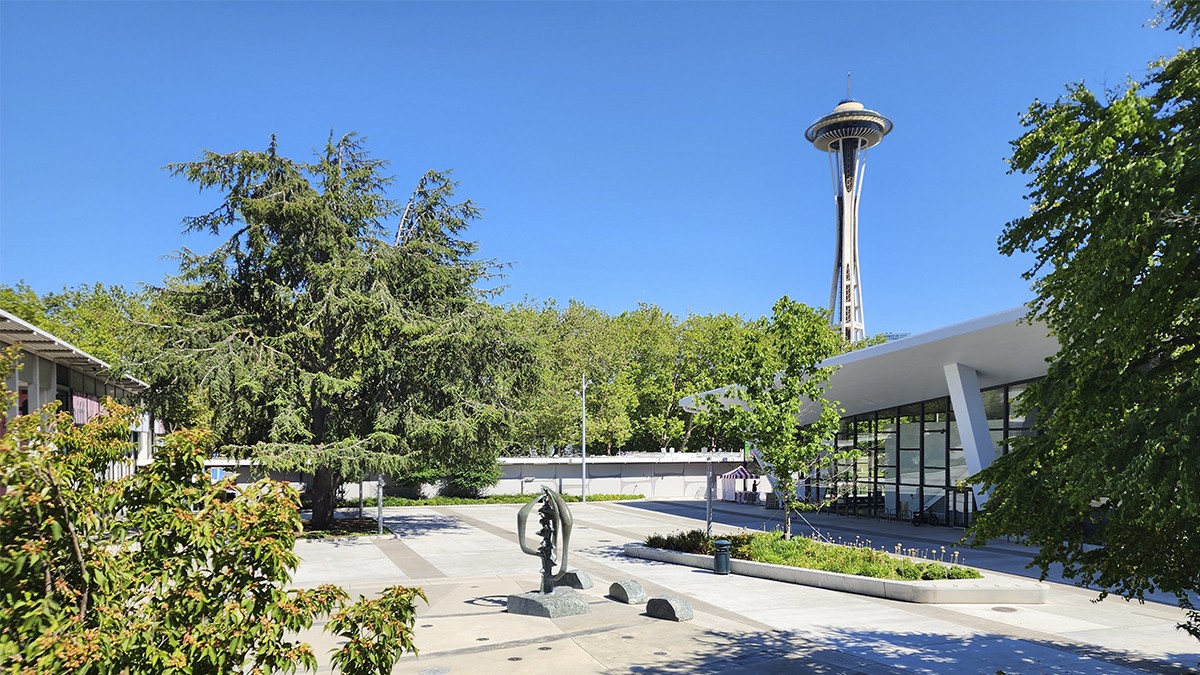
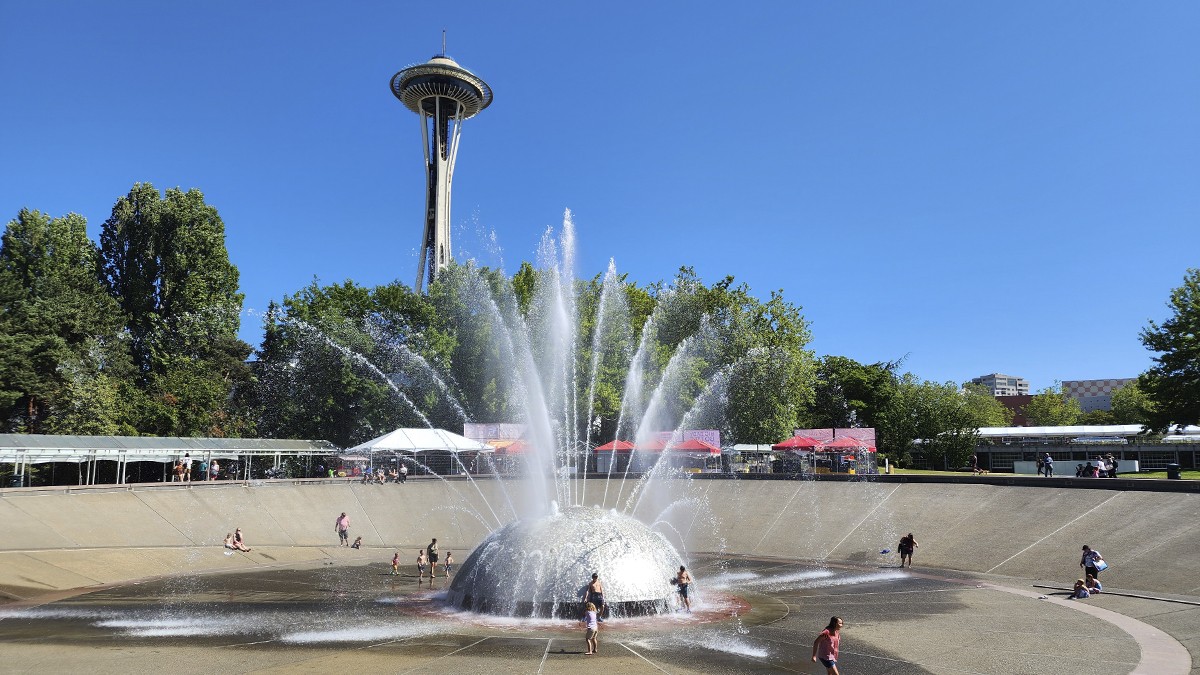
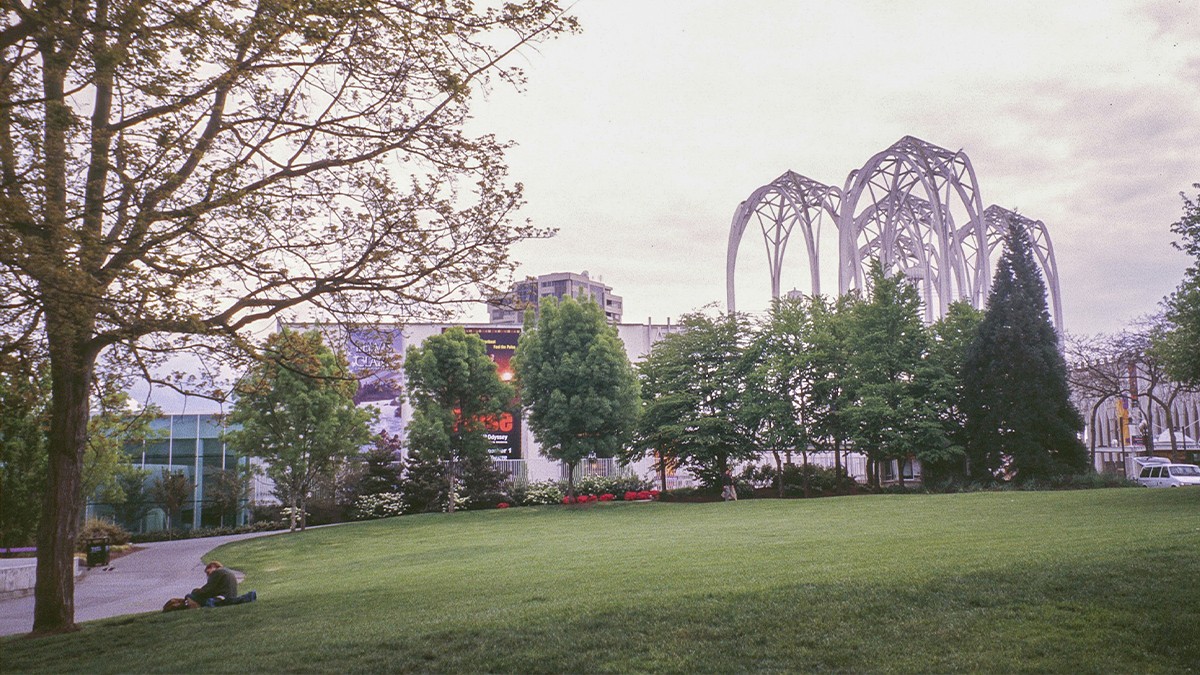
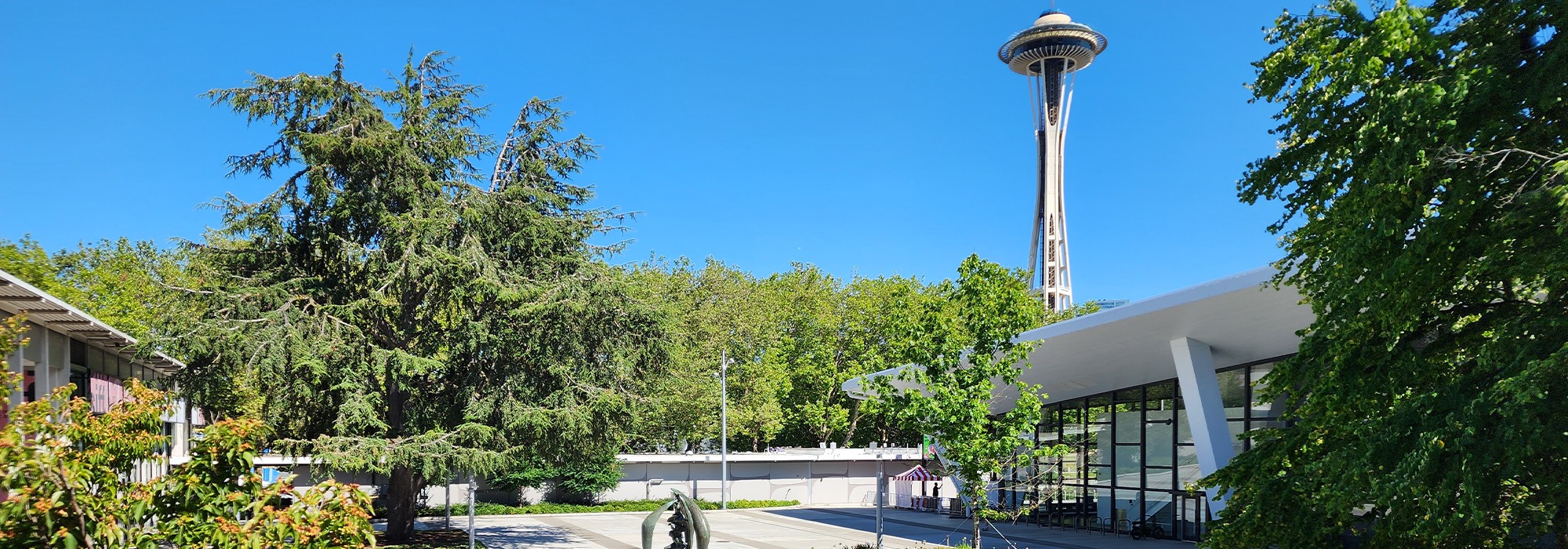
In 1958 he was named principal architect for Seattle World’s Fair (also known as the Century 21 Exposition, 1962). Thiry transformed the site with several architects and landscape architects—including Lawrence Halprin and Otto Holmdahl—and designed the Washington State Pavilion (now Climate Pledge Arena). He served on the Seattle Planning Commission (1952–1961), the National Capital Planning Commission in Washington, DC (1962), and the President’s Council of Pennsylvania Avenue (1963–1975). His interests in horticulture and collecting Native American artifacts were also notable. He passed away in Seattle at the age of 88.