


Italianate
Inspired by the writings of Edith Wharton, Charles Platt and others, Italian garden design form, details and elements often were copied or adapted in Beaux Arts and Neoclassical landscape design, if often for a smaller property. Such gardens often were organized around a long central axis, with smaller garden rooms accessible to the sides. Predominant materials are clipped hedges to define spaces, stone for balustrades, water channels and fountains, as well as both exuberant water features and quiet reflecting pools.
Italian Renaissance garden prototypes also gave us the Giardino Segreto (a small secluded garden to the rear of the house for entertaining friends and family). Also, the grottoes of some Renaissance Italian gardens found expression in America in the form of quasi-Neoclassical “ruins” as at Hagley, on the site of the original gunpowder works (1802) of E.I. DuPont in Eleutherian Mills on the Brandywine River in Wilmington, Delaware.
-
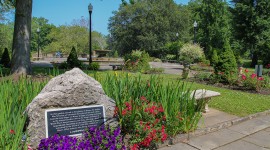
Italian Cultural Garden
Cleveland, OH -

Bingham-Hanna Mansion
Cleveland, OH -
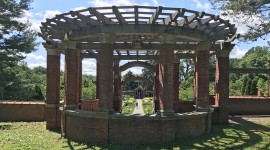
Vanderbilt Mansion National Historic Site Formal Garden
Hyde Park, NY -
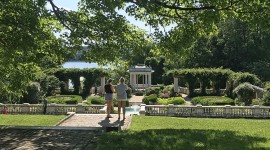
Blithewood Garden
Red Hook, NY -

St. Louis’ Private Places
St. Louis, MO -
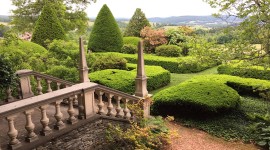
Wethersfield Estate & Garden
Amenia, NY -
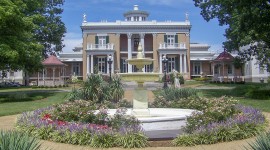
Belmont Mansion
Nashville, TN -

Commodore Perry Estate
Austin, TX -

Chateau-sur-Mer
Newport, RI -
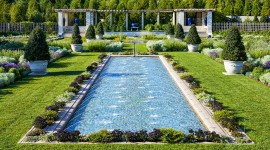
Blue Garden
Newport, RI -
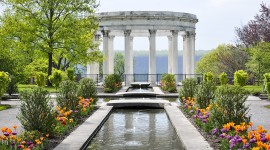
Untermyer Park and Gardens
Yonkers, NY -
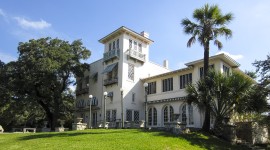
Laguna Gloria
Austin, TX -
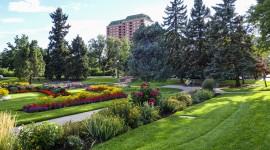
Alamo Placita Park
Denver, CO -
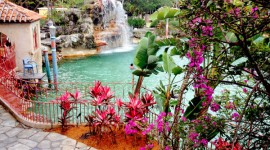
Venetian Pool
Coral Gables, FL -
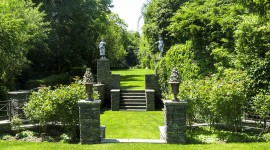
Beacon Hill House
Newport, RI -
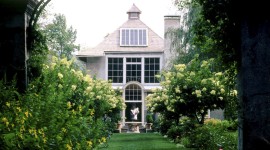
Chesterwood
Stockbridge, MA