


Italianate
Inspired by the writings of Edith Wharton, Charles Platt and others, Italian garden design form, details and elements often were copied or adapted in Beaux Arts and Neoclassical landscape design, if often for a smaller property. Such gardens often were organized around a long central axis, with smaller garden rooms accessible to the sides. Predominant materials are clipped hedges to define spaces, stone for balustrades, water channels and fountains, as well as both exuberant water features and quiet reflecting pools.
Italian Renaissance garden prototypes also gave us the Giardino Segreto (a small secluded garden to the rear of the house for entertaining friends and family). Also, the grottoes of some Renaissance Italian gardens found expression in America in the form of quasi-Neoclassical “ruins” as at Hagley, on the site of the original gunpowder works (1802) of E.I. DuPont in Eleutherian Mills on the Brandywine River in Wilmington, Delaware.
-
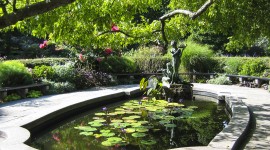
Central Park Conservatory Garden
New York, NY -
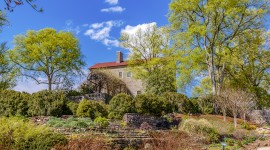
Cheekwood Botanical Gardens and Museum of Art
Nashville, TN -
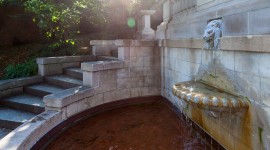
Spanish Steps
Washington, DC -
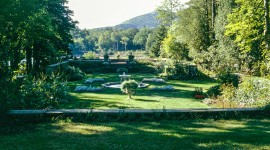
Kenarden Lodge
Bar Harbor, ME -
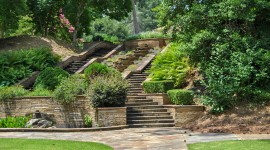
Hodges Garden State Park
Florien, LA -
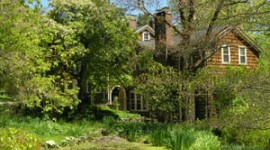
Bamboo Brook Outdoor Education Center
Far Hills, NJ -
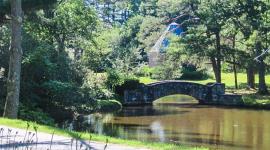
Hyde School
Bath, ME -
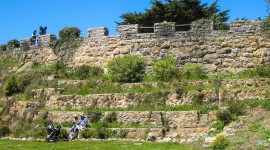
Sutro Heights Park
San Francisco, CA -
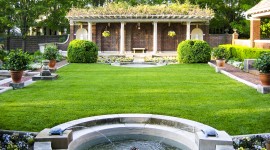
Irwin Garden
Columbus, IN -
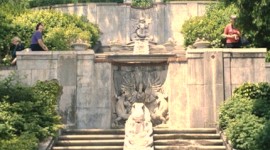
Villa Turicum
Lake Forest, IL -
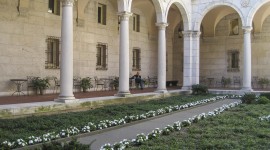
Boston Public Library Courtyard
Boston, MA -

Franciscan Monastery of the Holy Land Garden
Washington, DC -

Vanderbilt Mansion National Historic Site
Hyde Park, NY -
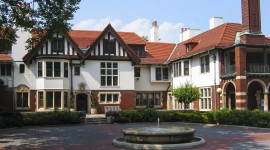
Cranbrook House and Gardens
Bloomfield Hills, MI -
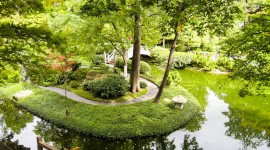
Fort Worth Botanic Garden
Fort Worth, TX -

Queset
North Easton, MA