


Plaza
A paved public space for citizens to gather for civic, religious, or commercial reasons. Plazas often have significant buildings surrounding them such as courthouses, city halls, churches, performing arts centers, and markets. While it may include fountains or trees, a plaza’s primary characteristic is a carefully graded and paved floor. Plazas are spatial volumes as much as paved surfaces; they bring light and air into the city, contrasting with adjacent streets that are often shaded due to their narrower width. By the mid-twentieth century, designers adapted the plaza typology to new commuter-required infrastructure, adapting them to such spaces as the roofs of below-grade parking garages and to urban sites that emerged from the demolition of urban renewal. As with the creation of pedestrian malls, courtyards, atria, and roof gardens, the creation of plazas has extended the functional landscape into the built environment, significantly enriching the visitor experience.
In suburbs, plazas often have been built as “visual amenities” instead of public spaces; as such, many of them have functioned less successfully as gathering spaces.
-
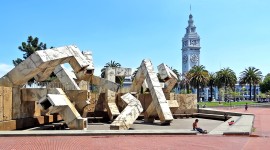
Embarcadero Plaza
San Francisco, CA -
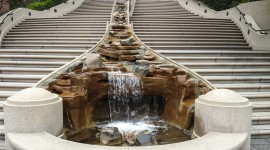
Bunker Hill Steps
Los Angeles, CA -
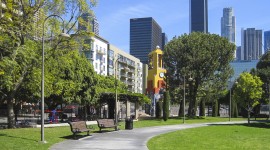
Los Angeles Open Space Network
Los Angeles, CA -
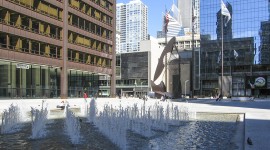
Richard J. Daley Center Plaza
Chicago, IL -
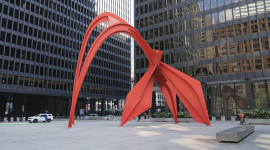
Chicago Federal Center Plaza
Chicago, IL -
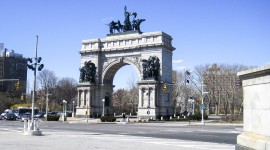
Grand Army Plaza - Brooklyn
Brooklyn, NY -
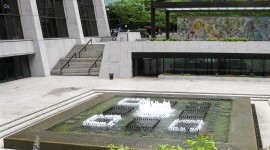
Exelon Plaza
Chicago, IL -
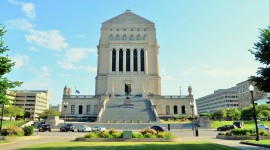
Indiana World War Memorial
Indianapolis, IN -
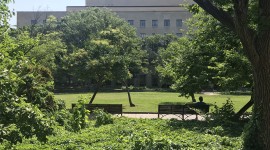
John Marshall Park
Washington, DC -
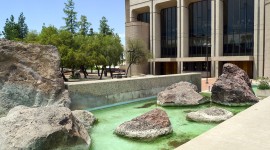
Tucson Convention Center
Tucson, AZ -
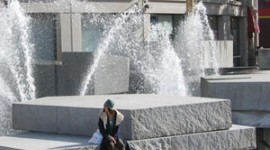
United Nations Plaza
San Francisco, CA -
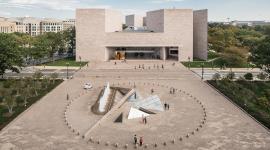
National Gallery of Art, East Building Plaza
Washington, DC -
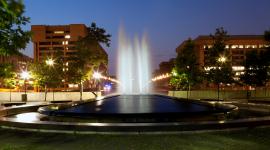
Banneker Park - Tenth Street Overlook
Washington, DC -
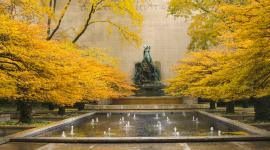
Art Institute of Chicago, South Garden
Chicago, IL -
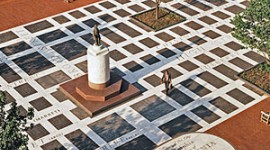
Welcome Park
Philadelphia, PA -
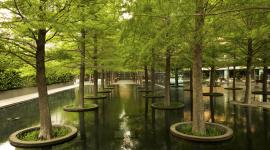
Fountain Place
Dallas, TX