


Roof Garden
In the 1930s and 1940s roof gardens appeared in American cities, gaining popularity by the 1960s and increasingly convincing design professionals, developers and builders of their environmental as well as functional logic. As with pedestrian malls, plazas, atria, and courtyards, the creation of roof gardens has extended the functional landscape into the built environment, significantly enriching the visitor experience. Located on top of a built structure, below, level with, or above the surrounding ground plane, roof gardens are intended to provide increased longevity of the roofing material, improved water retention after a rain event, lowered urban heat island impacts, and, in most but not all cases, human interaction. Typically, a roof garden includes paving, plants, furniture, built structures, sculpture, and often pools or fountains. While transforming neglected urban space, roof gardens can provide valuable environments for eating and socializing, relaxing and recreation.
-

Snohomish County Campus
Everett, WA -
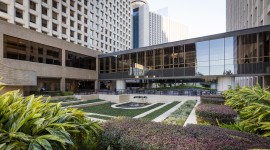
Allen Center
Houston, TX -
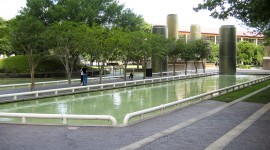
Tranquillity Park
Houston, TX -
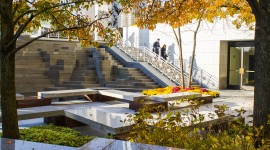
Aon Center
Chicago, IL -
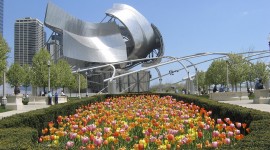
Millennium Park
Chicago, IL -
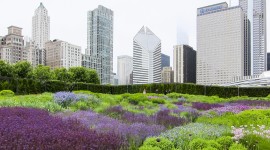
Lurie Garden
Chicago, IL -
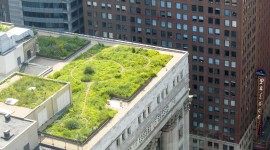
City of Chicago City Hall - Green Roof
Chicago, IL -
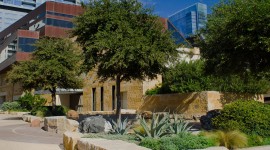
Austin City Hall and Public Plaza
Austin, TX -
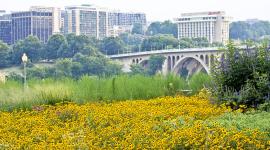
3303 Water Street
Washington, DC -

Cloud Gardens
Toronto, ON -
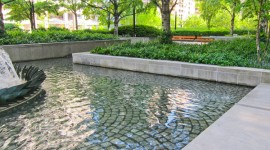
Queen's Park Complex
Toronto, ON -
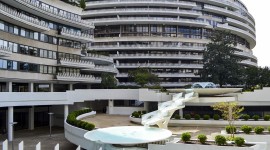
Watergate
Washington, DC -
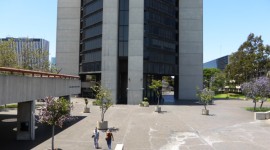
Long Beach Civic Center
Long Beach, CA -
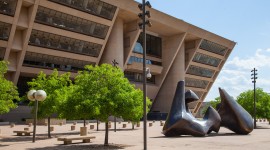
Dallas City Hall
Dallas, TX -
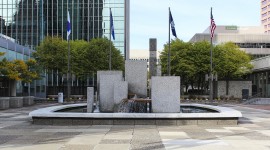
Constitution Plaza
Hartford, CT -
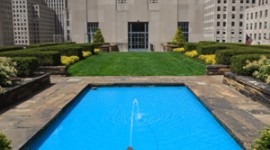
Rockefeller Center Rooftop Gardens
New York, NY