


Guest Essay: On the Frontlines Defending Section 106
The following is an essay submitted to The Cultural Landscape Foundation from Marion Werkheiser, co-founding partner of Cultural Heritage Partners.
The Fight for Section 106 Is a Fight for Cultural Landscapes, and We Need You!
For sixty years, Section 106 of the National Historic Preservation Act has done something simple but essential: before a federal action can alter a historic place, the public gets notice, and the people who care about that place get a seat at the table to inform the government’s decisions. Section 106 requires federal agencies to identify historic properties, including cultural landscapes eligible for or listed on the National Register of Historic Places, that may be affected by their actions, weigh the consequences of their decisions, and consult on ways to avoid, minimize, or mitigate harm. Section 106 does not stop projects. It helps us make better decisions before something irreplaceable is lost.
Section 106 is now under the most serious threat in its history, attacked on three fronts at once:
- Executive actions testing whether federal agencies can evade or narrow preservation review altogether on highly visible projects in Washington, D.C.;
- The Advisory Council on Historic Preservation's proposed regulatory rewrite, which would sharply curtail consultation, public participation, transparency, and accountability — and would strip consideration of historic cultural landscapes out of the Section 106 process entirely; and
- Congressional proposals that would amend the National Historic Preservation Act to create exemptions, impose arbitrary limits, or otherwise weaken Section 106.
The threat is real, and it is moving fast
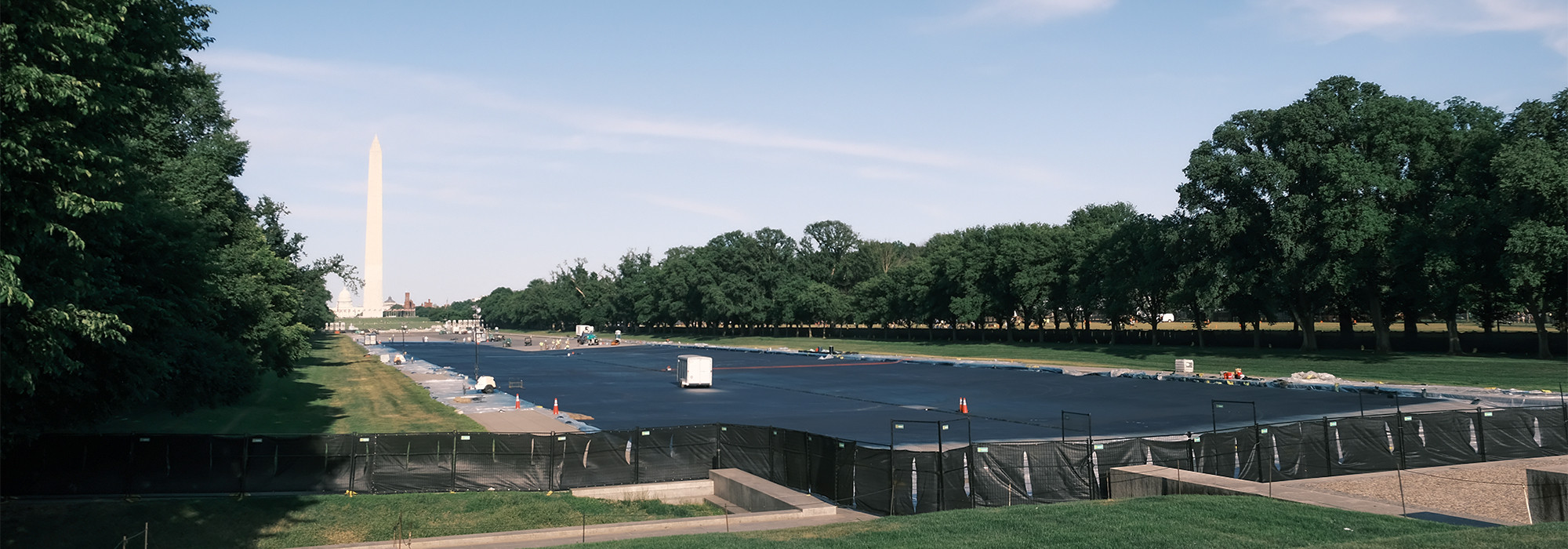
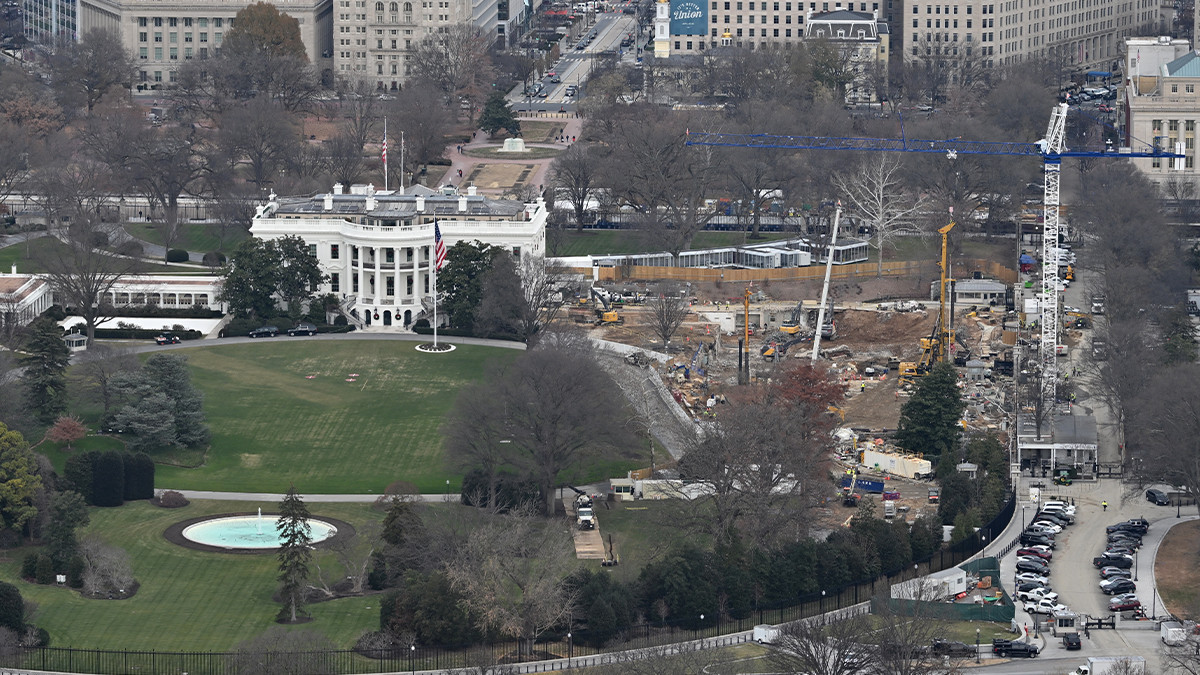
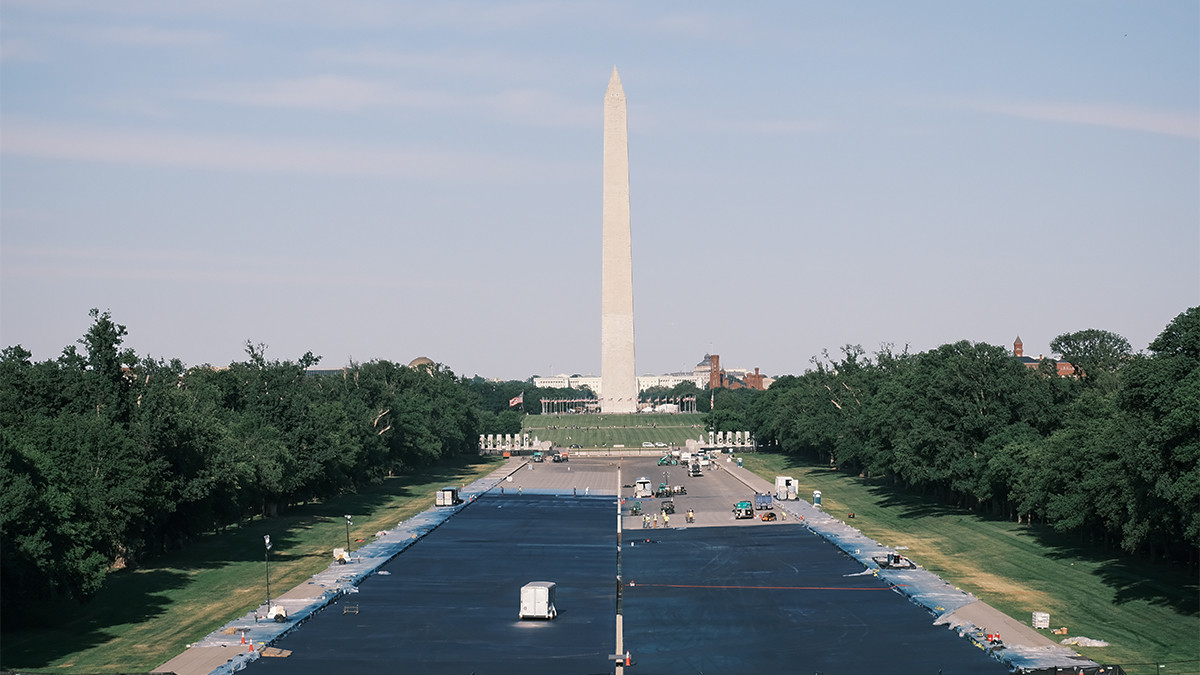
Each of these fronts deserves its own attention. First, a series of high-profile Presidential projects — including the East Wing demolition and White House ballroom construction, renovations at the Kennedy Center, the disastrous Reflecting Pool project, plans for East Potomac Park, and a proposed repainting of the Eisenhower Executive Office Building — are testing whether federal agencies can sidestep historic preservation review altogether.
Second, the Advisory Council on Historic Preservation has proposed the most sweeping rewrite of the Section 106 regulations since they were first issued. If finalized substantially as drafted, the rule would eviscerate consultation, public participation, Tribal and state roles, transparency, and accountability, while expanding the authority of federal agencies and the project proponents they regulate. Most alarming for our community: the revisions would eliminate consideration of historic cultural landscapes in the Section 106 process by narrowing the definition of a historic property to those that are “geographically compact” and have “tangible human improvements.”
Third, Congress continues to consider permitting proposals that would amend the National Historic Preservation Act, create exemptions, impose arbitrary limits, or otherwise weaken Section 106.
The stakes go beyond any one historic place. If executive offices can claim exemption from preservation review, if agencies can bypass established consultation with Tribal Nations and the public, or if statutory changes go into effect, the precedent will make it far harder to protect cultural landscapes anywhere in the country, for a very long time.
A coalition is answering back
The response so far has been unusually broad and fast-moving. The Cultural Landscape Foundation has met the moment by bringing court challenges to proposed Presidential projects in Washington, DC, including the Reflecting Pool, East Potomac Park, and the Kennedy Center. These cases raise questions about congressional authority over federal property and whether agencies can lawfully claim exemption from preservation and environmental laws.
At the same time, TCLF is helping to lead a national, grassroots advocacy campaign taking shape around Section 106 itself. TCLF joined a congressional sign-on letter defending Section 106, launched in late August, has already drawn more than 700 organizational signers representing more than 7 million Americans.
Working groups on communications, public comments, and litigation are moving in parallel to respond to the threat from the Advisory Council. Comment templates are being drafted so that when the proposed rule is formally published, advocates can respond quickly with substantive, well-documented submissions — not to pad the record with duplicates, but to build a genuine evidentiary case. Those same comments are being written with an eye toward future litigation, so that if a weakened rule is finalized, the arguments and evidence needed to challenge it in court are already on record.
Correcting the myths — and telling better stories
One of the coalition's biggest challenges is a familiar myth: that Section 106 routinely delays projects and invites excessive litigation. The data says otherwise. The overwhelming majority of Section 106 reviews move quickly and never require extensive consultation, and litigation is exceedingly rare given the enormous number of federal undertakings reviewed each year. Believe it or not, you are about as likely to be struck by lightning in your lifetime as a federal project is to end up in court over Section 106.
But facts alone will not carry the argument. Opponents have anecdotes — stories, often incomplete, about projects supposedly delayed by preservation review — and when no one offers a fuller account, those anecdotes become conventional wisdom. Our answer is to pair the data with real, local stories of Section 106 working as intended: helping communities identify what matters, improving projects, and still allowing development to proceed. We have to use facts to disprove the myths and share stories to make people care.
From defense to a three-year campaign
On August 25, TCLF leaders joined other organizational advocates to plan a three-year national campaign to defend Section 106, combining grassroots organizing, public communications, administrative advocacy, and congressional engagement. The immediate responsibility is to defend Section 106 from regulatory, legislative, and executive attack. The larger opportunity is to convert the energy of this moment into something sustainable: durable grassroots power, national coordination, and the capacity to make protection of America's historic and cultural landscapes a political and civic priority for the next generation.
How you can help
This campaign runs on people showing up — and there are concrete ways to do that right now.
If you belong to an organization, ask it to join the congressional sign-on letter, which continues to accept new signatories. Contact your Members of Congress: constituents explaining how Section 106 has protected a place in their own district are, by consensus, the most persuasive messengers available. If you know of a local project where Section 106 review helped save, improve, or responsibly move forward a historic landscape, share that story — those local examples are exactly what this campaign needs to counter the myths driving this rollback. Our District Meeting playbook walks you through how. And when the proposed regulations are formally published, watch for the public comment period and add your voice.
Section 106 has always rested on a simple idea: that the public deserves notice and a voice before history is altered or erased. The coalition responding to this moment is explicit that the goal isn't just to survive the current threat, but to come out of it with a stronger, better-funded, more effective preservation system than the one that entered this fight.
That system only gets built with people like you in it. Sign the letter, make the call, tell the story — and help make sure the cultural landscapes you've spent your career identifying and protecting are still standing, and still protected, when this fight is over.
Marion Forsyth Werkheiser is co-founder of Cultural Heritage Partners, PLLC, a private law firm with a public mission: to advance cultural heritage as a human right. CHP represents Tribal Nations, local governments, descendant communities, and historic preservation nonprofits to get their voices heard in the Section 106 consultation process and to protect historic, sacred, and culturally significant places threatened by development. The firm’s victories have strengthened international, federal, and state preservation laws; secured the protection of important sites, objects, and traditions; affirmed the sovereignty of Tribes and First Nations; and helped communities whose culture has been systematically devalued be heard in the courts, legislatures, and before international tribunals.
Related Content

Lincoln Memorial Grounds
Washington, DC
Arlington National Cemetery
Arlington, VA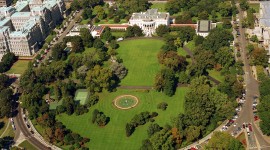
White House Grounds
Washington, DC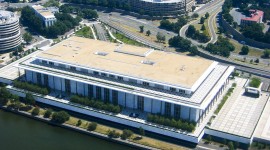
John F. Kennedy Center for the Performing Arts
Washington, DC