Landscape Information
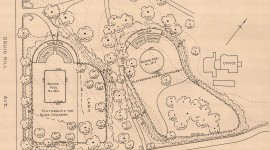
East of the town center and extending south from Havens Beach along Sag Harbor Bay, this 154-acre, irregularly shaped district comprises three contiguous African American communities developed in the mid-twentieth century. The wooded, seaside community was developed in phases from west to east as a summer resort for professional and New York City-based middle-class families. The district, characterized by gently rolling terrain, is traversed by parallel north-south oriented roads and east-west cross streets, that connect the waterfront community to Hampton Street.
In 1947 African American architect Amaza Lee Meredith and her sister Maude Terry established the first section, Azurest North (now Azurest), in collaboration with Elsie B. Gale, a white realtor. They laid out uniform lots to take advantage of beach access, which the sisters sold to their friends and acquaintances for the creation of modest summer homes, several of which were designed by Meredith. As the neighborhood grew in popularity, Sag Harbor Hills, Sag Harbor Beach Club (later incorporated into Sag Harbor Hills) and Ninevah Beach were developed directly east by the Sag Harbor Development Company between 1949 and 1952.
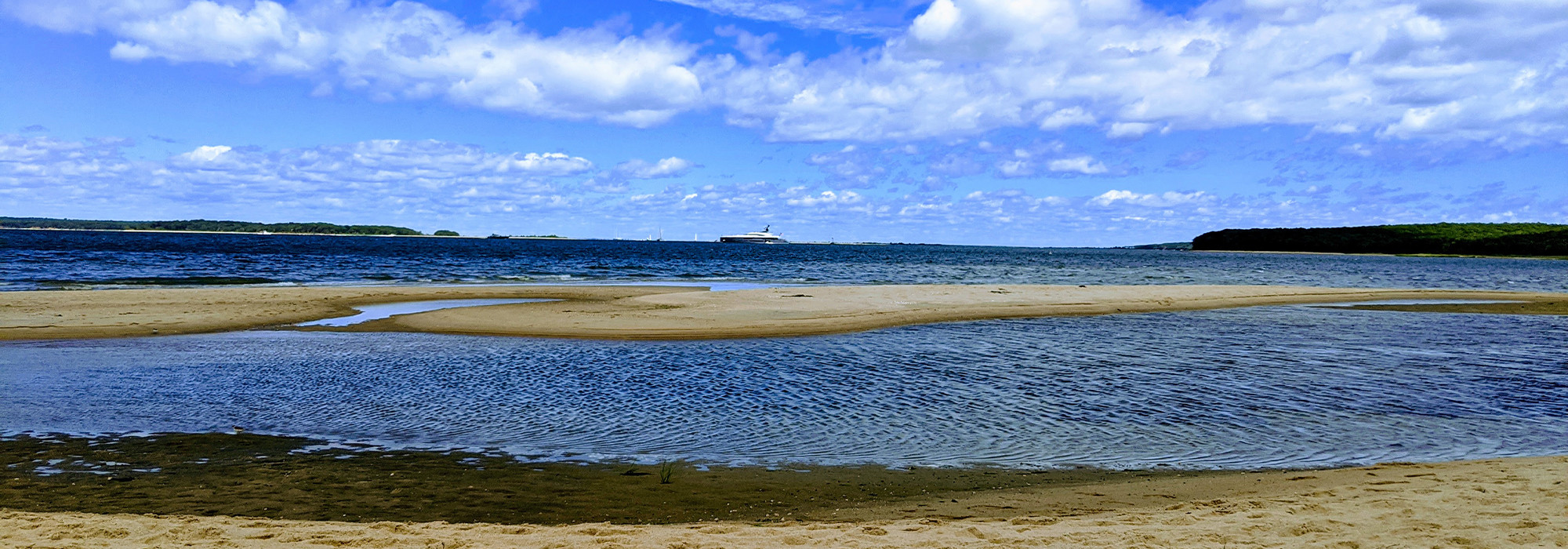
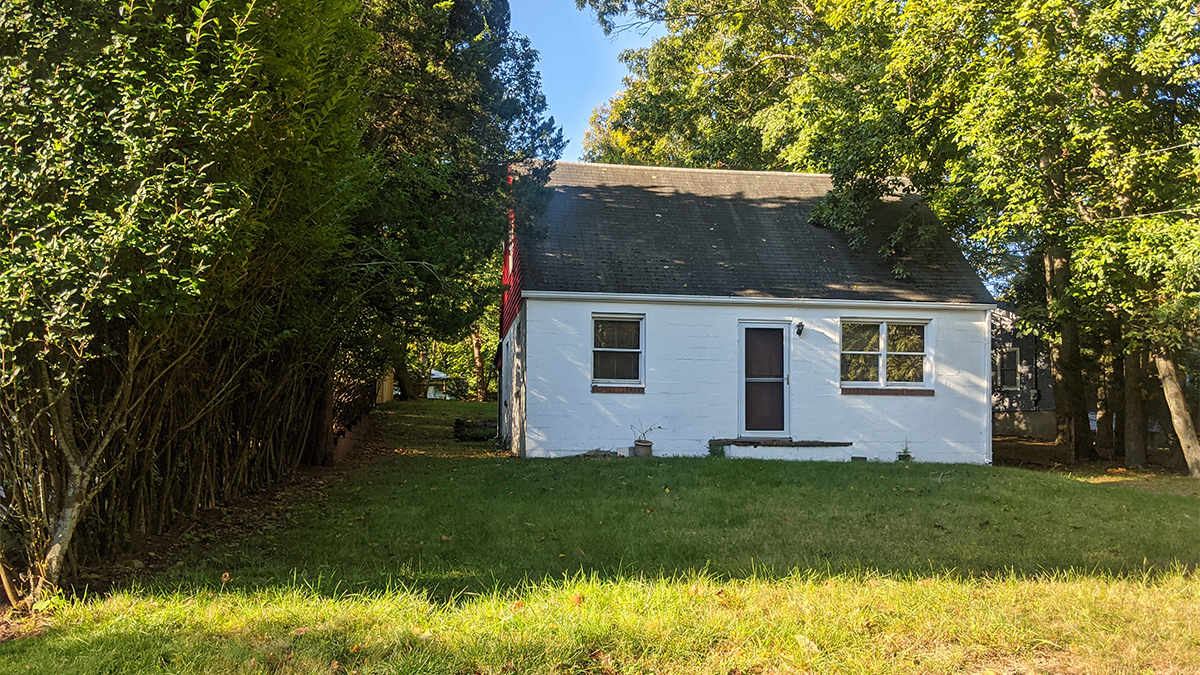
Throughout the district, one-and-two story wood-frame residences (primarily built between the 1940s–1970s in styles such as ranch, Cape Cod, and Mid-century Modern), are set back approximately 35 feet on generous, densely canopied lots. Front lawns are largely planted with low-maintenance evergreen trees, shrubs, and perennial species. Sandy footpaths lead directly from homes and from shared access points to a private section of Havens Beach with uninterrupted views of the bay and Mashomack Point to the north.
Today, many homes in the district are still owned by their original occupants and descendants. The Sag Harbor Hills, Azurest, and Ninevah Beach Subdivisions Historic District was listed in the National Register of Historic Places in 2019.