


Waterfront Development
The transformation of waterfront sites in the post-industrial era began in the 1960s with a broadening of their scope beyond traditional industrial land uses. Because waterfronts historically have been a major economic force, determining the character of both their place and their population, their loss has had a profound impact.
Made possible with expanded zoning and urban renewal efforts, the renovation of working waterfronts has led to the enrichment of cities in a wide array of types including residential and commercial development, cultural amenities, and recreational resources, often with adaptive reuse and creative mixed use.
-
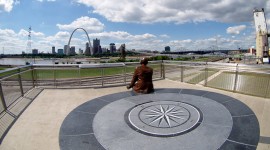
Malcolm W. Martin Memorial Park
East St Louis, MO -
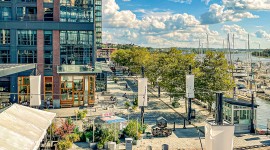
The Wharf
Washington, DC -
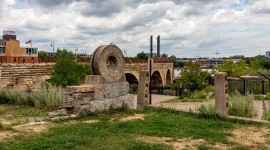
Mill Ruins Park
Minneapolis, MN -
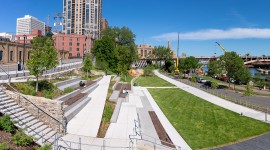
Water Works
Minneapolis, MN -
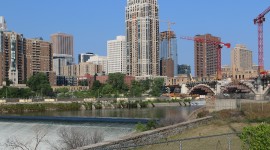
Water Power Park
Minneapolis, MN -
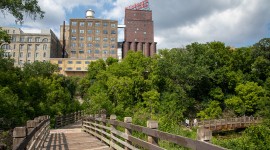
Father Hennepin Bluff Park
Minneapolis, MN -
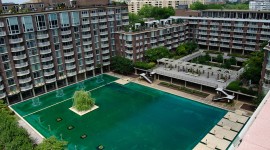
Harbour Square
Washington, DC -
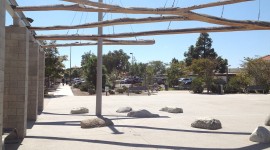
Ruocco Park
San Diego, CA -
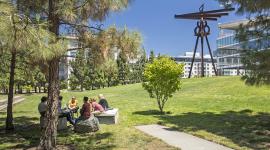
Mission Bay
San Francisco, CA -
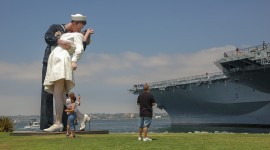
Tuna Harbor Park
San Diego, CA -

Embarcadero Marina Park North and South
San Diego, CA -
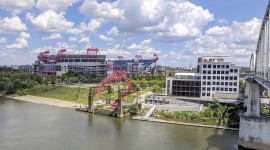
The Bridge Building
Nashville, TN -
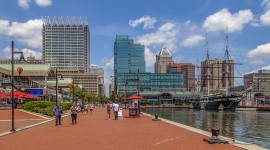
Inner Harbor
Baltimore, MD -
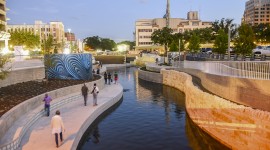
San Pedro Creek Culture Park
San Antonio, TX -
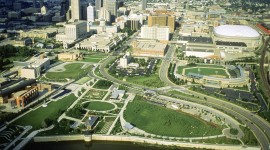
White River State Park
Indianapolis, IN -
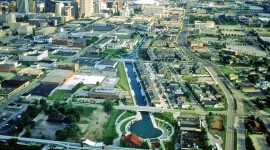
Indianapolis Canal Walk
Indianapolis, IN