


Waterfront Development
The transformation of waterfront sites in the post-industrial era began in the 1960s with a broadening of their scope beyond traditional industrial land uses. Because waterfronts historically have been a major economic force, determining the character of both their place and their population, their loss has had a profound impact.
Made possible with expanded zoning and urban renewal efforts, the renovation of working waterfronts has led to the enrichment of cities in a wide array of types including residential and commercial development, cultural amenities, and recreational resources, often with adaptive reuse and creative mixed use.
-
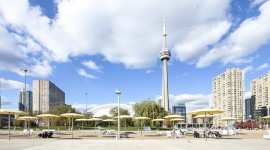
HtO Park
Toronto, ON -
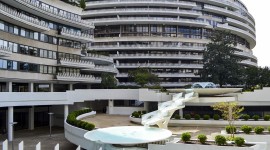
Watergate
Washington, DC -
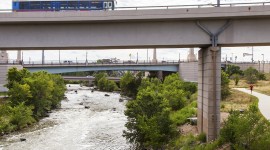
City of Cuernavaca Park
Denver, CO -

Commons Park
Denver, CO -
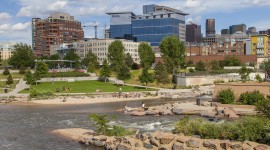
Confluence Park - CO
Denver, CO -
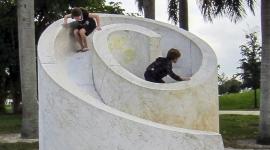
Bayfront Park
Miami, FL -
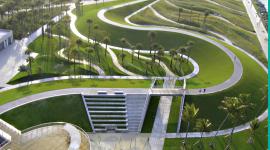
South Pointe Park
Miami Beach, FL -
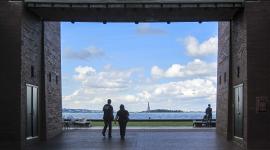
Robert F. Wagner Jr. Park
New York, NY -
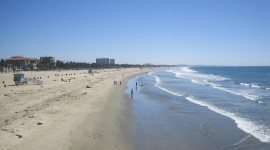
Santa Monica Pier and Carousel Park
Santa Monica, CA -

St. Anthony Main
Minneapolis, MN -
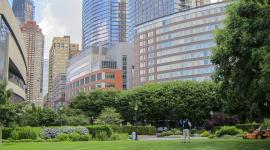
Battery Park City
New York, NY -
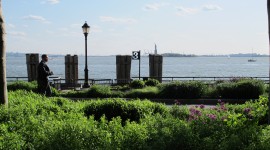
Battery Park - New York City
New York, NY -
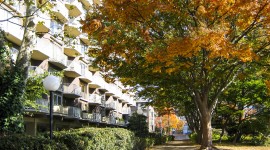
Southwest Redevelopment Plan
Washington, DC -
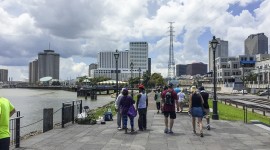
Moon Walk
New Orleans, LA -
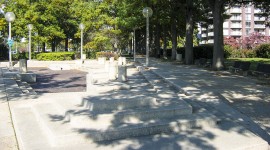
Waterfront Park - DC
Washington, DC -
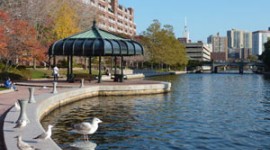
Lechmere Canal Park
Cambridge, MA