Landscape Information
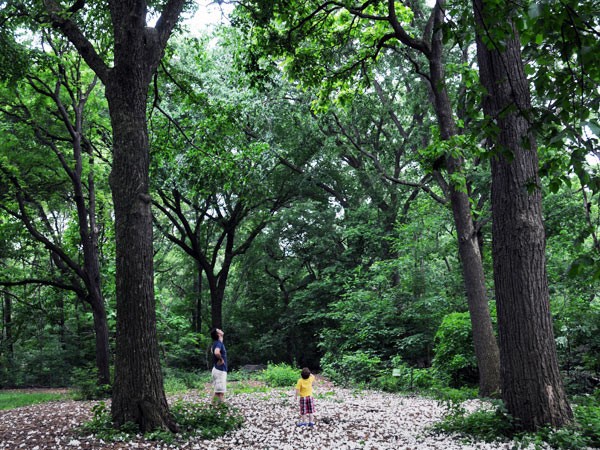
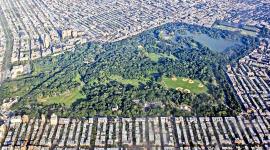
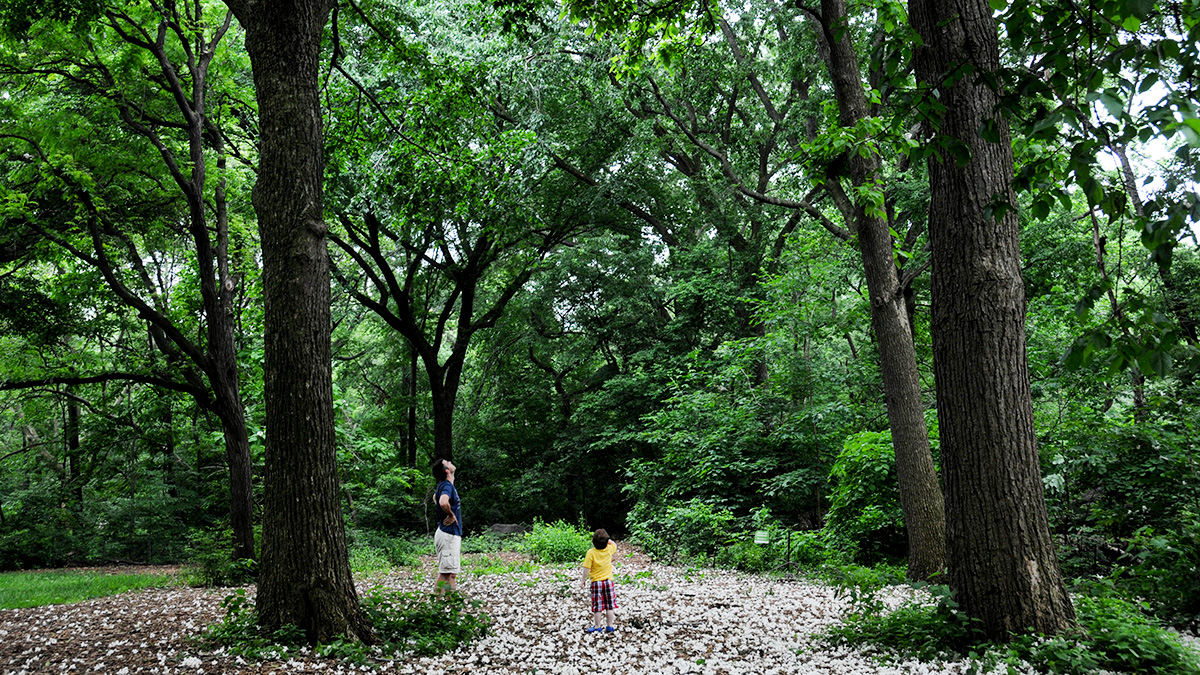
Bordering the Lake in the center of Central Park, this 38-acre woodland district was envisioned by Olmsted and Vaux as a core component of their rural retreat in the city. It is the also the park’s most prominent example of Picturesque design, as part of their intent to create the impression of an “unlimited range of rural conditions” throughout the park. Inspired by the rugged character of the Adirondack and Catskill Mountains, the Ramble’s intricate design provides visitors with a more intimate, immersive experience of nature.
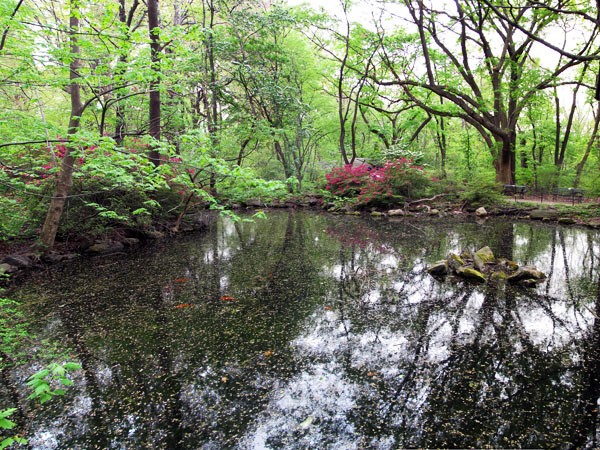
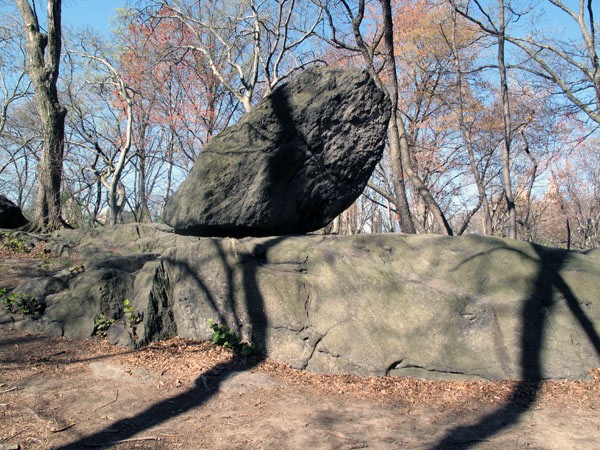
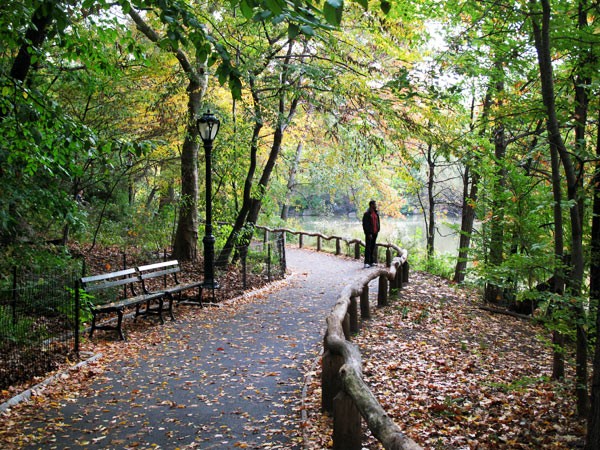
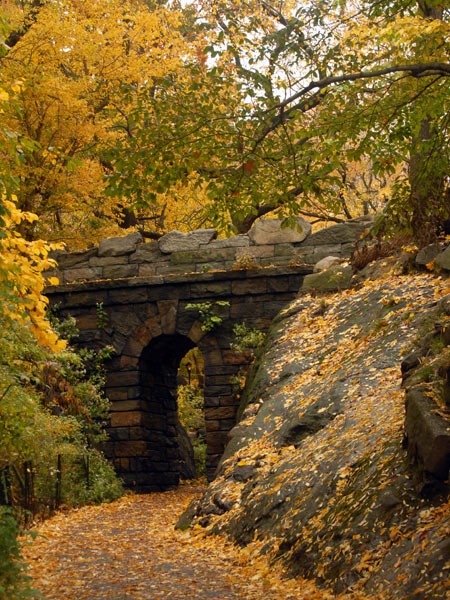
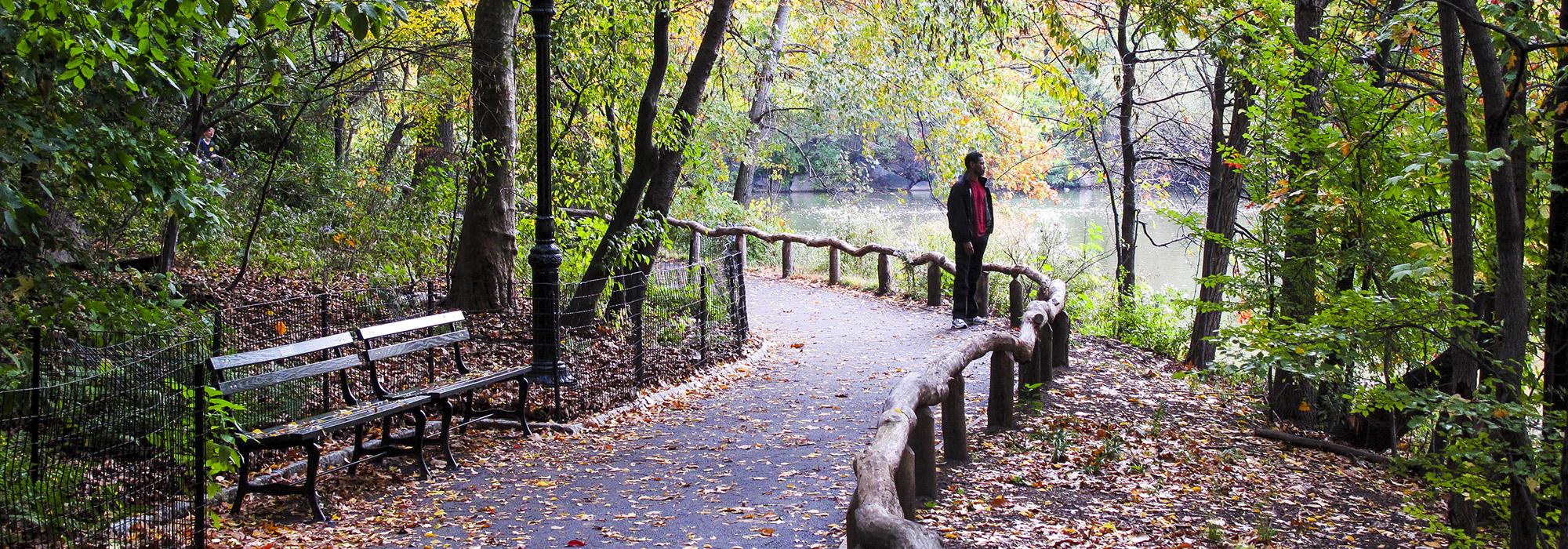
The Ramble is defined by winding and interlacing paths that traverse hilly and rocky terrain. Its watercourse, The Gill, emerges from a pipe concealed under a rocky ledge, meanders down the hill, and widens in some spots before culminating in a small cascade and spilling into the Lake. Modest lawns, exposed rock outcroppings, and clearings along the shoreline provide views of the Lake, including those toward Bethesda Terrace, in contrast with its more densely planted and secluded areas.
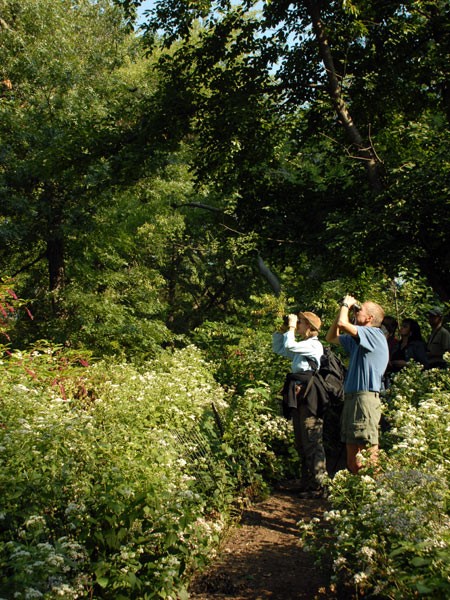
After the turn of the twentieth century, for several decades, the district became popular among gay men, offering seclusion for romantic encounters. The Ramble is also a noted bird-watching destination, located along the Atlantic Flyway—the migratory route that follows the eastern coastline from the Gulf of Mexico to Canada.
Central Park as a whole, including the Ramble, was designated a National Historic Landmark in 1978.