Pioneer Information
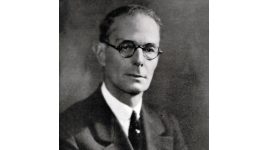
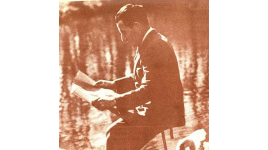
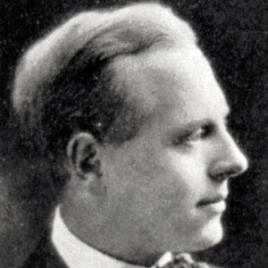
Born in Cincinnati, Ohio, Geiffert’s family relocated to Jersey City, New Jersey, where marshlands and open spaces fostered a lifelong enthusiasm for natural environments and ecological sensitivity. Lacking formal academic training in the field, beginning in 1908 he served as an apprentice to landscape architect Ferruccio Vitale in New York. While working for Vitale, Geiffert took extension courses in horticulture and landscape design at Columbia University. His talent and dedication led to his promotion as an associate and, in 1917, as partner, alongside Arthur F. Brinckerhoff. Following Brinckerhoff’s departure in 1924, Geiffert continued his partnership with Vitale until Vitale’s death in 1933, after which Geiffert sustained the practice for another twenty-four years. In 1946, his son, Alfred Geiffert III, joined the firm.
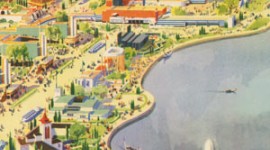
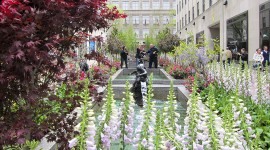
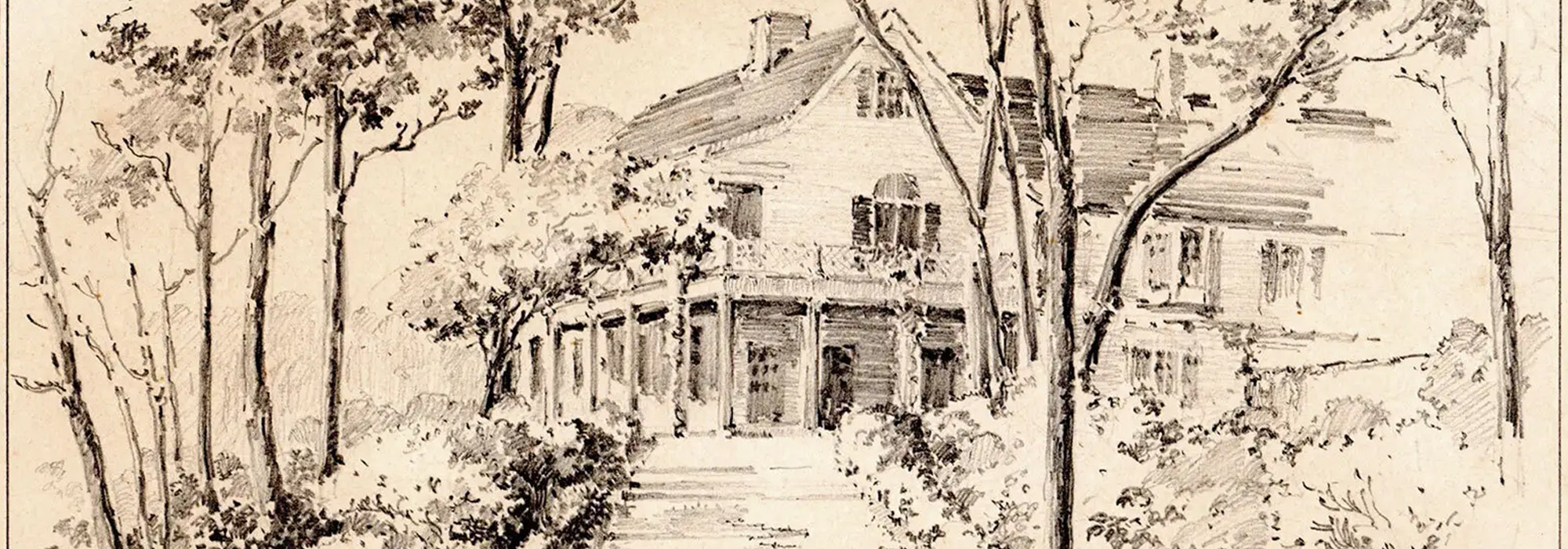
Throughout his career, Geiffert designed hundreds of estates, parks, schools, hospitals, industrial complexes, and large-scale developments. His work was celebrated for its naturalistic approach, evident in projects such as the Landon K. Thorne estate (1920s, demolished 1976), Bay Shore, New York; Skylands in Ringwood (with architect John Russell Pope, 1927, now the New Jersey Botanical Gardens); and Canterbury Farms (with Gilmore Clarke, 1934), Warrenton, Virginia. His philosophy was articulated in his essay, “The Making of a Rock Garden” for the Bulletin of the Garden Club of America (1924), which emphasized learning directly from nature. Geiffert later expanded into urban and regional planning, providing landscape architectural services at the National Gallery of Art (1939), Washington, D.C.; Rockefeller Center (1930s), Manhattan; and Fresh Meadows planned community (1948), Queens, New York.
Geiffert’s work was featured in Landscape Architecture and Country Life in America, and he won numerous awards, including the Architectural League’s President’s Medal (1945). He served as president of the New York Chapter of the American Society of Landscape Architects (ALSA, 1928–1932), and was elected a Fellow of the ASLA in 1923. He practiced until he passed away at the age of 66.