Pioneer Information
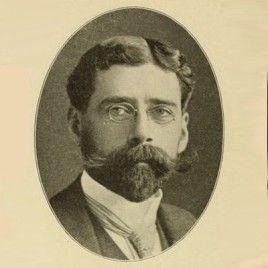
Born in New York City, Brunner attended the Massachusetts Institute of Technology, studying under architect and educator William Robert Ware. After graduating in 1879 he worked in the architectural office of George Browne Post for several years, leaving to travel throughout Europe. Returning to New York he established, with Thomas Tryon, the firm Brunner & Tyron and, in 1881, helped to found the Architectural League of New York.
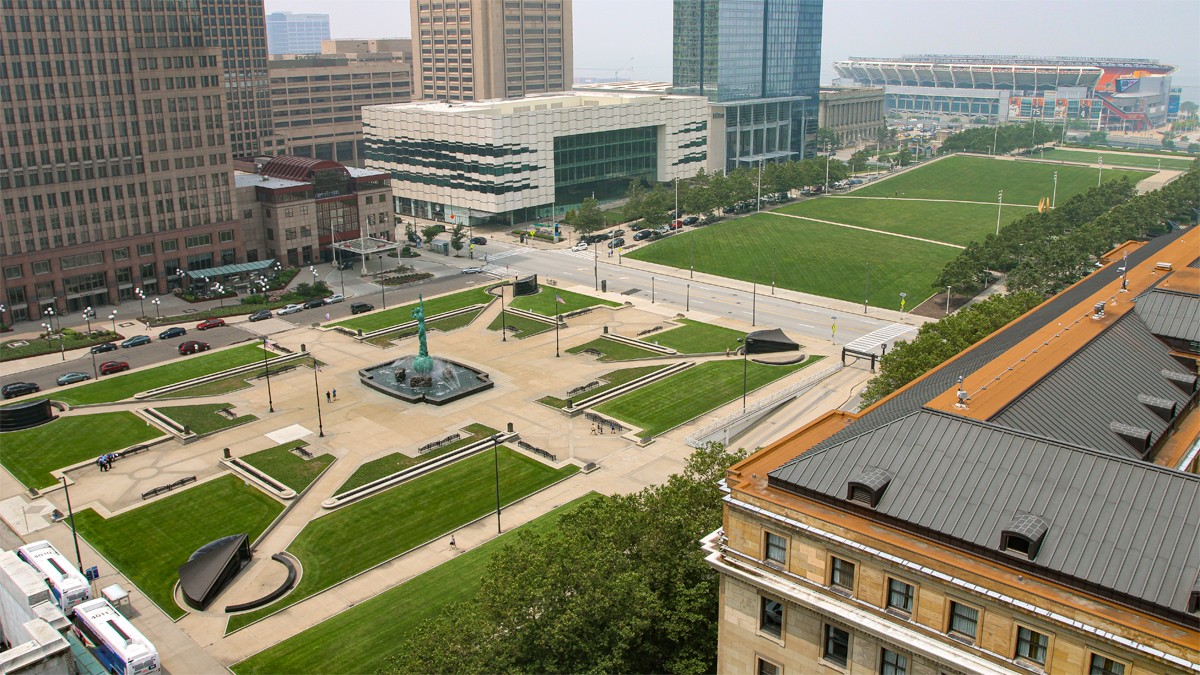
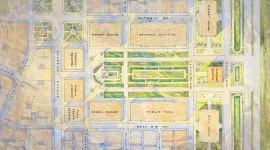
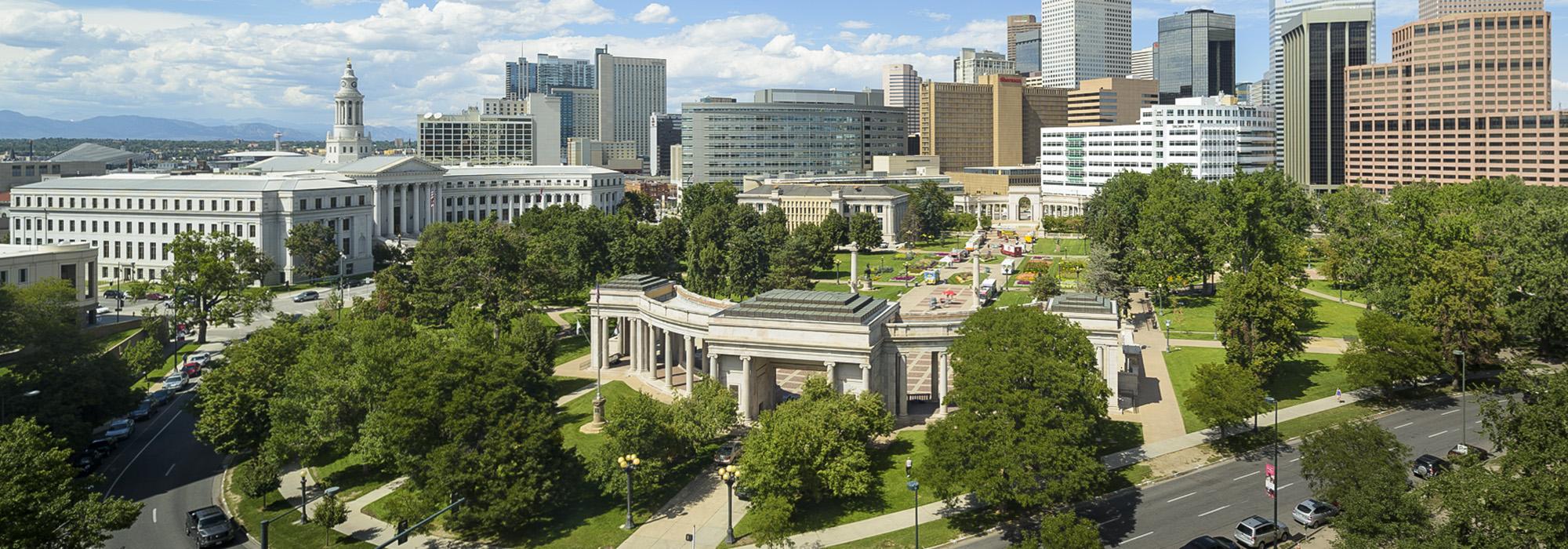
By 1898 Brunner left the firm and in 1903 partnered with architects Daniel H. Burnham and John Merven Carrère, to produce a centralized plan for downtown Cleveland, Ohio. Six years later he joined Carrère and landscape architect, Frederick Law Olmsted, Jr., to prepare an unrealized plan for downtown Baltimore, Maryland. Brunner continued to work with Olmsted, Jr., recommending improvements to the park system of Rochester, New York, (1911) and the civic center (now Civic Center Park) in Denver, Colorado in 1913. The following year Brunner partnered with landscape architect Charles Downing Lay to author, “Studies for Albany,” which proposed improvements to the parks and street system of New York’s capital city. In 1916 Brunner was engaged by the state of Pennsylvania to design the state capitol complex in Harrisburg; by 1919 he joined Olmsted Brothers to lay out the campus of Denison University in Granville, Ohio.
In addition to his work as a city planner, Brunner is noted for his architectural commissions in New York City. Such projects include the Congregation Shearith Israel Synagogue (1897) and Student’s Hall (now Barnard Hall) at Barnard College, erected in 1916.
Brunner was elected a Fellow of the American Institute of Architects (AIA) in 1882. He died at the age of 67 and is commemorated through a namesake grant awarded by the AIA New York Chapter and a prize awarded by the National Academy of Arts and Letters.