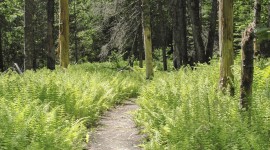
Naturalistic or Cohesive
A characteristic of many national and state parks across the United States, this style is derived from the use of constructed features that are made to blend with their settings and appear natural, rather than man-made. Designed and constructed between 1916 and 1942 by landscape architects, architects, engineers, park superintendents, and craftsmen—often working in collaboration—this work displays the landscape characteristics of Picturesque, Arts & Crafts, and Prairie styles. Standards and guidelines were developed to enrich the visitor experience, creating a continuity across parks while reflecting the character of the regional landscape.
In undertaking this work, designers employed local building materials, which resulted in a “rustic” style of architecture. Purposefully articulating and framing significant views and vistas, native plants enhanced landscape compositions and passages of scenery. By minimizing impacts, as well as re-naturalizing clear-cut and quarried areas, planners and designers endeavored to promote the natural, scenic, and cultural values of individual parks. Landscape architects such as Thomas Vint and Conrad Wirth led the Civilian Conservation Corps in the implementation of many projects, including parkways, overlooks, campgrounds, entranceways, bridges, trails, and comfort stations. Design considerations promoted cultural resource management, compatibility with natural systems, and a sense of harmony with the physical setting.
-
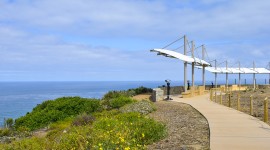
Cabrillo National Monument
San Diego, CA -
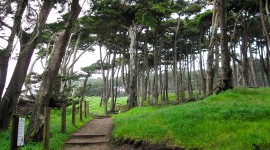
Lands End
San Francisco, CA -
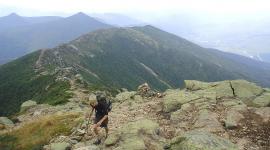
Appalachian Trail
Harpers Ferry, WV -
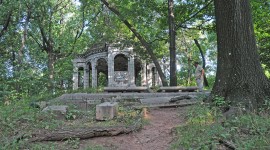
Essex County Park System
Newark, NJ -
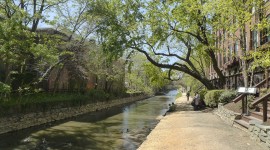
Chesapeake & Ohio Canal National Historical Park
Washington, DC -
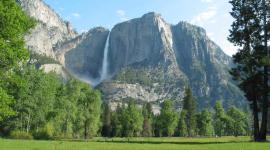
Yosemite National Park
Yosemite, CA -
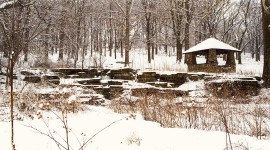
South Park - PA
South Park, PA -
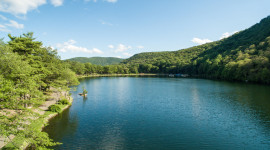
Bear Mountain State Park
Tomkins Cove, NY -
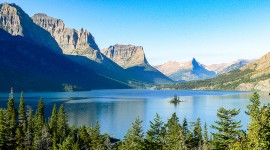
Going-to-the-Sun Road
Glacier National Park, MT -
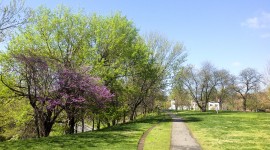
Rock Creek Park
Washington, DC -
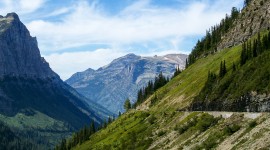
Glacier National Park
Browning, MT -
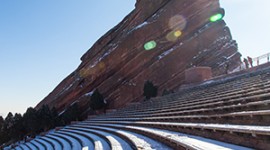
Red Rocks Amphitheatre
Morrison, CO