


Public Park
Areas of land open to the public and managed by federal, state, or municipal governments, or private organizations. Public parks can be of almost any size and configuration, but share a common purpose of specific and civic benefit for users from the general public. Some parks are protected natural lands of immense size, while others are smaller designed spaces in urban or suburban communities. Parks provide vital opportunities for contemplation and enjoyment of nature and scenery, for organized sports and spontaneous play, for civic rituals and cultural events, and for education and research. Parks evolve in relationship to the prevailing understanding of the role of nature in human experience. The design and management of parks is informed by current practices of urban planning, design attitudes, modes of recreation, philosophies of landscape preservation, and beneficial social interaction.
-
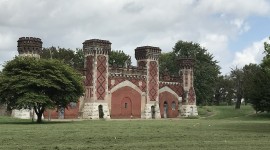
Fairground Park
St. Louis, MO -
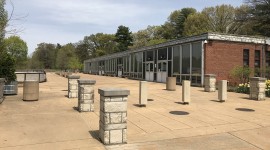
Forest Park - Steinberg Skating Rink
St. Louis, MO -
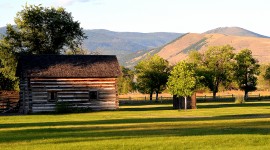
Fort Missoula Historic District
Missoula, MT -
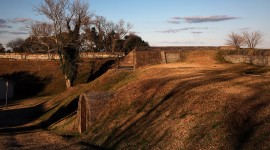
Fort Monroe National Monument
Hampton, VA -
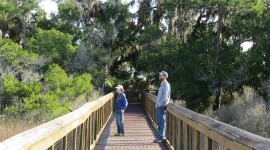
Fort Mose Historic State Park
St. Augustine, FL -
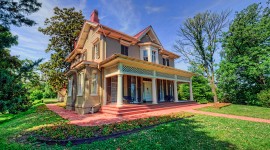
Frederick Douglass National Historic Site
Washington, DC -
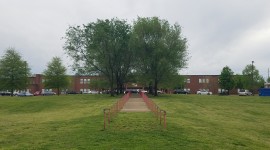
Frederick Douglass Park
Nashville, TN -
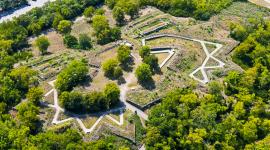
Fort Negley Park
Nashville, TN -
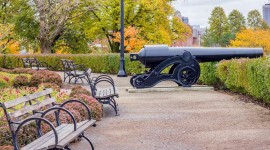
Front Park
Buffalo, NY -
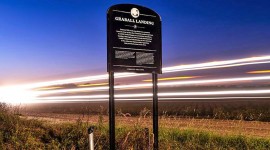
Graball Landing
Glendora, MS -
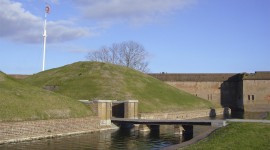
Fort Pulaski National Monument
Savannah, GA -
Hadley Park
Nashville, TN -
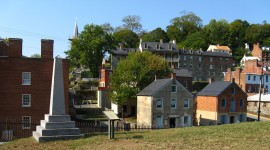
Harpers Ferry National Historical Park
Harpers Ferry, WV -
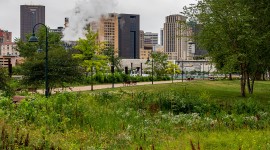
Harriet Island Regional Park
St. Paul, MN -
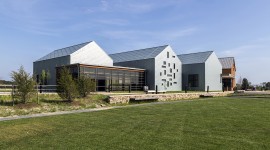
Harriet Tubman Underground Railroad National Monument
Church Creek, MD -
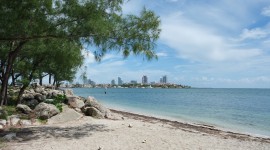
Historic Virginia Key Beach Park
Miami, FL