Landscape Information
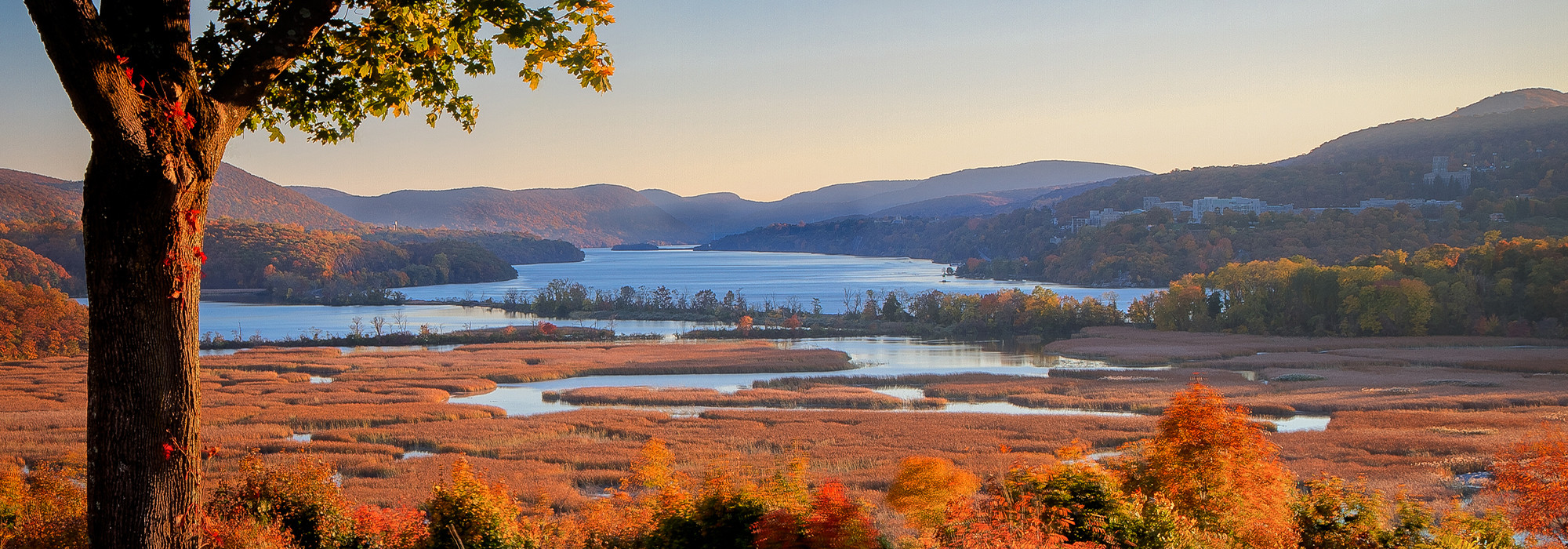
With the tidal Hudson River as its spine, this heritage area extends approximately 135 miles north to south, from Troy to Yonkers. Established in 1996, it contains 107 sites that reflect and interpret the region’s contributions to American history, politics, economics, and culture. Incorporating five counties east of the river and five to the west, it features diverse historic and vernacular sites associated with Native peoples (including the Lenape and Mohican) and such early European settlers as the Dutch, Huguenots and Shakers. In addition, the region features historically significant designed landscapes including cemeteries, gardens and estates, public parks, and institutional grounds.
In the eighteenth and nineteenth centuries, with vital trade routes and an abundance of natural and agricultural resources, the region experienced significant industrial and economic growth. The nation’s struggle for liberty, equality, and human rights can be evidenced at sites associated with the American Revolution, the Underground Railroad, and several connected to public figures (i.e., Franklin and Eleanor Roosevelt).
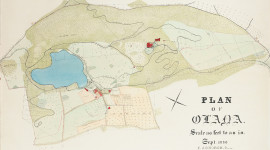
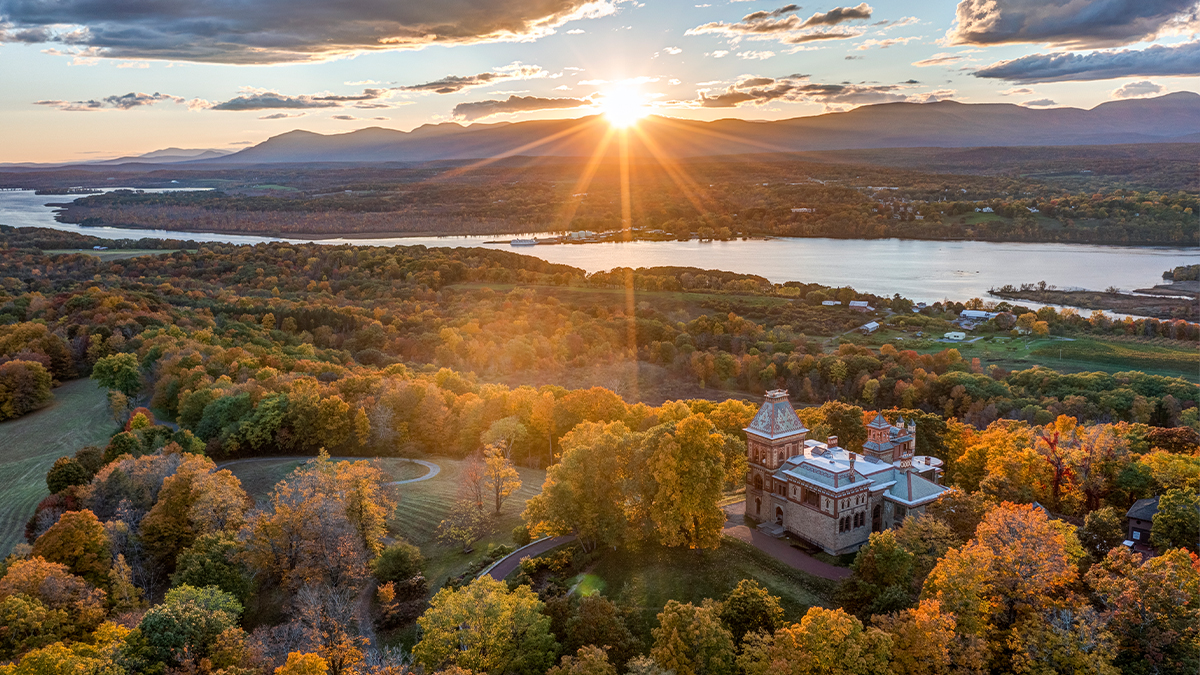
Nineteenth-century tastemakers drew inspiration from the region and, in turn, inspired aesthetic ideals and attitudes. Among them were landscape gardeners André Parmentier and Andrew Jackson Downing. The former introduced the European Picturesque style to America with his design for Dr. David Hosack’s Hyde Park estate (now Vanderbilt Mansion National Historic Site) and the latter, through his writings and realized landscapes, influenced peers and subsequent generations of designers. Artists and writers such as Thomas Cole, Frederic E. Church, and Washington Irving depicted the region on canvas and page and established Hudson Valley residences (now Thomas Cole National Historic Site Olana State Historic Site, and Washington Irving’s Sunnyside, respectively). Today, their impact is witnessed from historic properties to contemporary grounds that explore the relationship between landscape and art.
The heritage area, managed by the state agency Hudson Valley Greenway, was given its current name in 2019 to honor the late Congressman pivotal in its creation.